Infrared Thermometers: What to Know Before You Buy
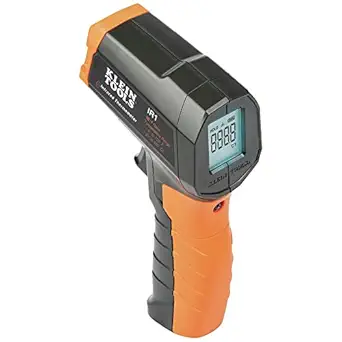
An infrared thermometer like this -58°F to 1112°F (-50℃~600℃) model is a versatile tool for cooking, HVAC, and automotive use, but accuracy and emissivity settings vary widely. Understanding key specs will help you choose one that fits your tasks.
Key Considerations Before Buying
- Temperature range and accuracy: This unit covers -58°F to 1112°F, suitable for searing, candy-making, and engine checks, but verify accuracy specs (±2°F or ±2%) since cheap sensors can drift at extremes.
- Distance-to-spot ratio (D:S): A higher ratio (e.g., 12:1) lets you measure smaller targets from farther away; for cooking and HVAC, 8:1 to 12:1 is typical, but check the manual for your model's exact ratio.
- Emissivity adjustment: For accurate readings on shiny surfaces like griddles or engine parts, an adjustable emissivity setting (0.1–1.0) is crucial; fixed-emissivity models can be off by 20°F or more.
What Our Analysts Recommend
Look for a backlit display, laser targeting (single or grid), and a response time under 500ms for quick scans. Build quality matters too—a rubberized grip and IP54 rating help in kitchens and garages.
Infrared Thermometers Market Context
Market Overview
The infrared thermometer market is flooded with budget models under $30, many claiming high accuracy but lacking proper calibration. Brands like Etekcity and ThermoPro dominate, but lesser-known names often cut corners on sensor quality.
Common Issues
Common complaints include inconsistent readings on reflective surfaces, battery drain, and laser misalignment. Some units fail to meet advertised accuracy at temperature extremes, and cheap plastic housings crack easily.
Quality Indicators
A quality infrared thermometer has a clear D:S ratio, adjustable emissivity, and a calibration certificate or user-calibration option. Reviews mentioning consistent readings across multiple uses and durable construction are good signs.
Review Authenticity Insights
Grade B Interpretation
A Grade B authenticity rating with 10% estimated fake reviews means most reviews are genuine, but a notable minority may be incentivized or exaggerated. The adjusted rating of 4.20 vs. 4.44 suggests some inflated scores, likely from short, generic praise.
Trust Recommendation
Trust the product but verify: focus on reviews with photos, specific use cases (e.g., 'used for pizza oven'), and balanced pros/cons. Ignore reviews that only say 'works great' without details.
Tips for Reading Reviews
For infrared thermometers, look for mentions of accuracy tests against known references (e.g., boiling water), emissivity adjustments, and durability over months. Reviews citing specific temperature discrepancies are especially valuable.
Expert Perspective
This thermometer offers a wide range and features typical of mid-range models, but the 4.2 adjusted rating indicates it's good, not exceptional. It's likely a solid choice for casual cooks and DIYers, but professionals may want higher accuracy and a better D:S ratio.
Purchase Considerations
Weigh your need for precision: if you're measuring pizza stones or engine blocks, adjustable emissivity and a tight spot size are key. Also consider whether you need a Type-K probe for internal meat temps, as infrared only reads surface temperature.
Comparing Alternatives
Compare with models from ThermoPro or Etekcity that offer similar specs and often have more review data; check for sales since this category is competitive.