
Choosing Rechargeable 9V Batteries: Lithium-ion vs. NiMH for Critical Devices
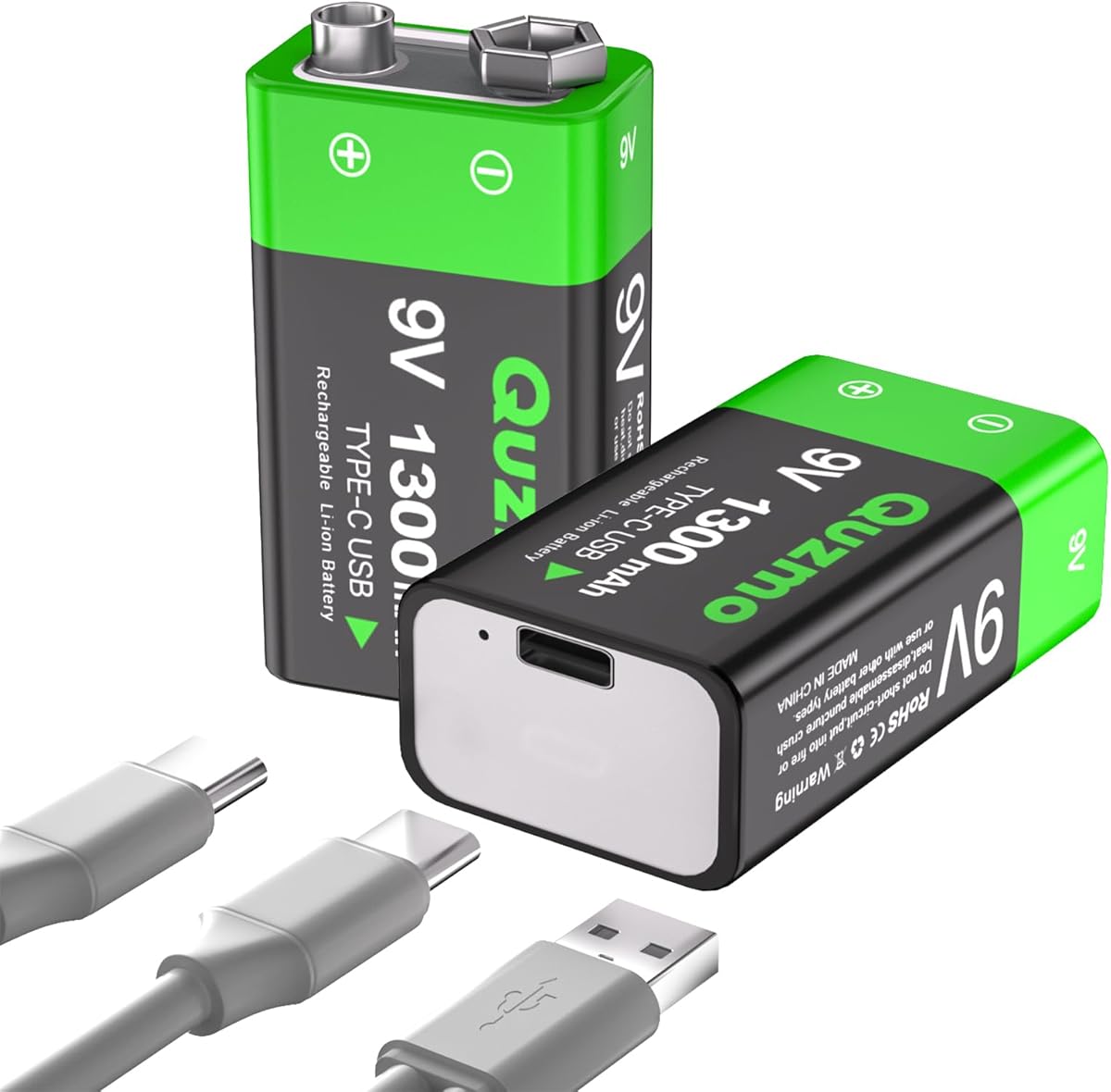
When selecting rechargeable 9V batteries for devices like smoke alarms and multimeters, the switch to lithium-ion chemistry represents a significant advancement over traditional NiMH options. This specific 1300mAh USB-C rechargeable 2-pack offers distinct advantages for intermittent-use devices where consistent voltage matters most.
Key Considerations Before Buying
- Lithium-ion 9V batteries maintain a flatter voltage curve than NiMH, providing more consistent performance in smoke alarms and multimeters where voltage stability affects accuracy.
- The 1300mAh capacity is substantial for rechargeable 9V batteries, but runtime depends heavily on the device's current draw—high-drain devices like walkie-talkies will deplete faster than smoke detectors.
- USB-C charging with included cable offers convenience but requires verifying your smoke alarm's low-battery warning system works properly with lithium-ion's different discharge characteristics.
What Our Analysts Recommend
Quality rechargeable 9V batteries should specify their chemistry (lithium-ion vs. NiMH) and include protection circuits against over-discharge, crucial for preventing damage in sensitive electronics. Look for clear cycle life ratings—quality lithium-ion 9V batteries typically offer 500+ charge cycles—and proper physical contacts that match your device's terminal configuration.
9V Market Context
Market Overview
The 9V rechargeable market has shifted toward lithium-ion options that solve NiMH's voltage sag issues, particularly for safety devices where consistent 9V output is non-negotiable. USB-C charging has become the new standard, replacing proprietary chargers that often failed before the batteries themselves.
Common Issues
Consumers frequently encounter capacity inflation claims, where advertised mAh ratings don't translate to real-world performance in high-drain applications. Physical fit problems also occur, as some rechargeable 9V batteries have slightly larger dimensions that don't fit snugly in all devices, particularly older smoke alarms.
Quality Indicators
Genuine quality indicators include clear cycle life specifications (not just capacity), built-in protection circuits mentioned in documentation, and physical construction with secure snap connectors rather than cheap slide-on contacts. Premium 9V rechargeables typically use high-quality cells from known manufacturers like Panasonic or LG, though these are often rebranded.
Review Authenticity Insights
Grade B Interpretation
A Grade B authenticity rating with 15% estimated fake reviews suggests generally reliable feedback, though approximately 1 in 7 reviews may be artificially positive. The 4.10 adjusted rating (down from 4.44) indicates genuine satisfaction sits between 'good' and 'very good' rather than exceptional.
Trust Recommendation
Focus on verified purchase reviews discussing specific use cases like smoke alarm runtime or multimeter performance, as these contain actionable details. Be skeptical of reviews that only praise generic attributes like 'long life' without mentioning actual devices or usage patterns.
Tips for Reading Reviews
Prioritize reviews mentioning the included 2-in-1 charging cable's reliability and USB-C charging speed, as these are product-specific details less likely to be fabricated. Look for discussions about fit in specific devices like Kidde or First Alert smoke alarms, which indicate hands-on experience.
Expert Perspective
This product represents a solid mid-tier option in the rechargeable 9V space, with lithium-ion chemistry offering legitimate advantages for voltage-sensitive applications. The 1300mAh rating is competitive, though actual performance will vary significantly between low-drain smoke detectors and higher-drain walkie-talkies. The USB-C charging with included cable addresses a common pain point in the category, while the 2-pack configuration makes practical sense for maintaining one battery in service while the other charges.
Purchase Considerations
Consider whether your specific devices—particularly smoke alarms with specific voltage requirements—are compatible with lithium-ion's discharge curve. The convenience of USB-C charging versus traditional wall chargers represents a genuine lifestyle improvement, but verify the physical dimensions work with your equipment's battery compartment.
Comparing Alternatives
Shoppers should compare cycle life claims and protection circuit details against competing lithium-ion 9V options, as these factors significantly impact long-term value.


