
ESP32 Dev Board Buying Guide: Key Specs & Pitfalls
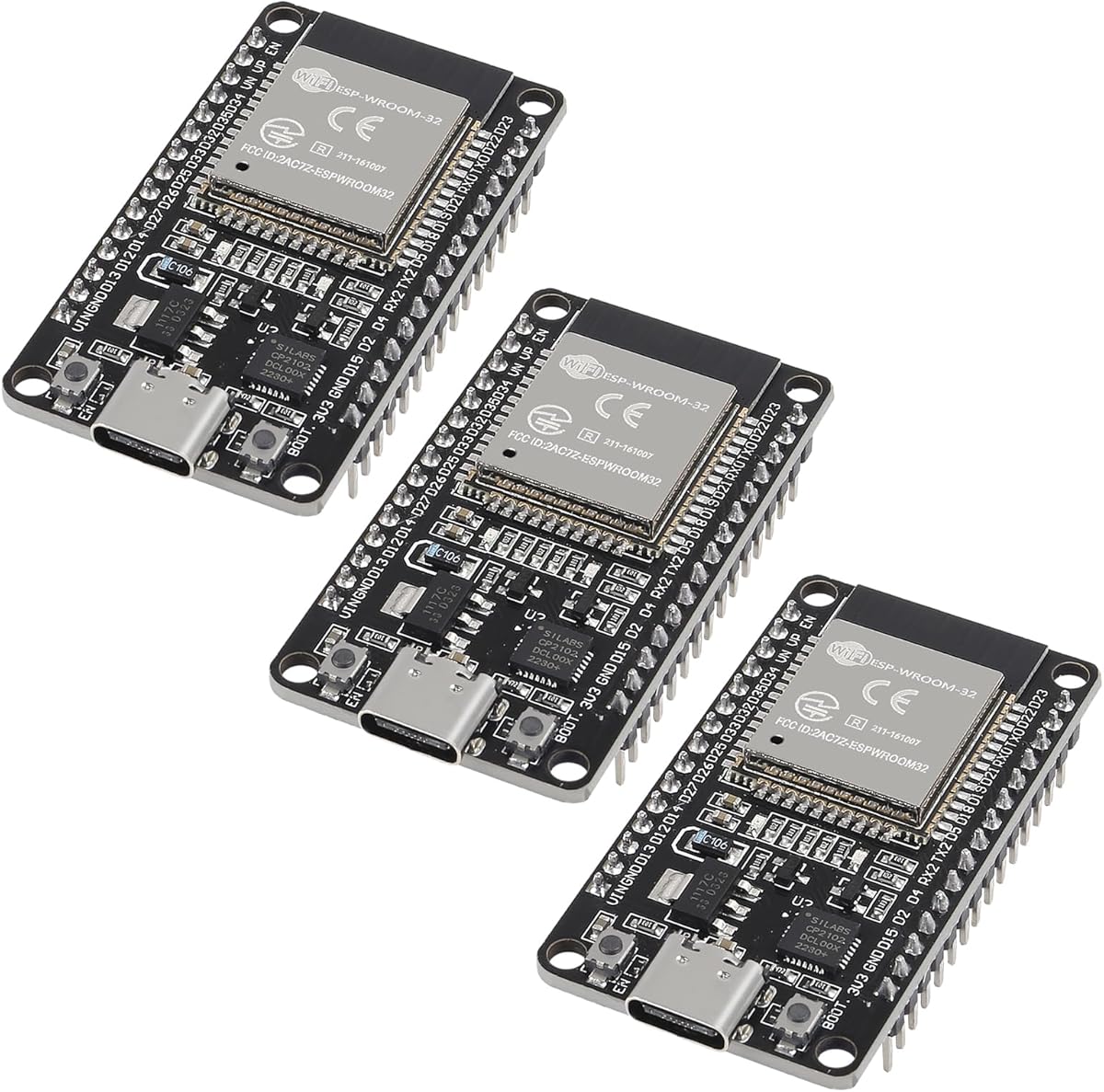
When selecting an ESP32 development board like the AITRIP 3-pack, you're investing in a versatile microcontroller with integrated WiFi and Bluetooth ideal for IoT projects. Understanding chipset variants, pin compatibility, and board quality is crucial to avoid frustrating debugging sessions.
Key Considerations Before Buying
- Ensure the board uses a genuine CP2102 USB-to-UART bridge for reliable programming, as counterfeit chips can cause driver issues and erratic connections.
- Verify the pinout matches your project needs—this 30-pin ESP32 board offers standard GPIO, ADC, and PWM pins, but double-check that your sensors or actuators are voltage-compatible (3.3V logic).
- Consider the antenna and RF filtering: this board integrates an antenna with AMP filter for stable 2.4GHz WiFi and Bluetooth, which matters for range and interference in dense environments.
What Our Analysts Recommend
Look for boards with a solid PCB build, clear silk-screening for pin labels, and a reliable USB-C connector that withstands repeated plugging. Also check for a built-in voltage regulator that handles 5V input without overheating, common in cheaper ESP32 clones.
Single Board Computers Market Context
Market Overview
The ESP32 market is saturated with clones and multi-packs, with the AITRIP 3-pack positioned as a cost-effective option for hobbyists. Many boards now feature USB-C and improved RF components, but quality varies widely.
Common Issues
Common issues include fake CP2102 chips causing driver errors, poor solder joints on pin headers, and inconsistent flash memory that corrupts firmware. Users also report boards that draw excessive current in deep sleep, draining batteries in portable projects.
Quality Indicators
Quality indicators include a genuine Espressif ESP32 chip, a CP2102 with clear markings, and a PCB with rounded edges and consistent solder mask. Reviews mentioning 'verified purchases' and specific project outcomes (e.g., 'worked with Home Assistant') signal reliability.
Review Authenticity Insights
Grade B Interpretation
The Grade B and 10% estimated fake review rate suggest most feedback is genuine, with a small portion possibly inflated. This is typical for popular budget electronics, where early buyers may be overly enthusiastic.
Trust Recommendation
Trust the 4.20 adjusted rating as a realistic baseline—focus on reviews that detail programming experiences, WiFi range tests, or comparisons with official Espressif boards. Avoid reviews that are overly brief or lack technical specifics.
Tips for Reading Reviews
For ESP32 boards, prioritize reviews that mention specific environments (e.g., Arduino IDE, PlatformIO), pin compatibility with shields, or issues like overheating. Look for patterns across multiple reviews, such as consistent mentions of 'CP2102 driver' or 'USB-C fit.'
Expert Perspective
The AITRIP 3-pack offers solid value for makers needing multiple ESP32 units for prototyping or distributed sensor networks, backed by a largely authentic review base. The CP2102 and integrated antenna are positives, though the 10% fake review rate warrants caution. At a 4.20 adjusted rating, it's a reliable budget choice, but not top-tier for mission-critical applications.
Purchase Considerations
Weigh the cost-per-board against potential quality inconsistencies—if your project demands absolute stability, consider official Espressif boards. For learning or non-critical IoT tasks, this multi-pack is a practical buy.
Comparing Alternatives
Compare with other ESP32 30-pin boards like the DOIT or official ESP32-DevKitC, which may offer better documentation and support, though at a higher price per unit.


