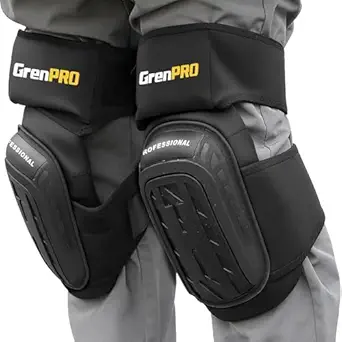
GRENPRO Heavy Duty Knee Pads: Gel Comfort Meets Jobsite Durability
If you spend hours on your knees—whether laying tile, gardening, or working a construction shift—the right pair of knee pads can save your joints from chronic pain. The GRENPRO Heavy Duty Knee Pads feature a gel foam core and a rugged exterior, designed to absorb impact while providing stability on hard surfaces. Before you buy, consider how the pad's shape, strap system, and shell material align with your specific work conditions.
Key Considerations Before Buying
- Fit and Security: Measure your leg circumference above and below the knee; pads with adjustable straps (like the GRENPRO's dual-strap design) prevent slipping during repetitive movements, which is critical for tasks like tiling where you're constantly shifting position.
- Gel vs. Foam Core: Gel foam offers superior shock absorption and conforms to your knee over time, but it's heavier than standard foam. If you need all-day comfort on concrete, gel is worth the extra weight, but for light gardening, a lighter pad may suffice.
- Shell Material: The outer shell's abrasion resistance determines durability. GRENPRO uses a high-density polymer shell that withstands rough surfaces, but check if it's crack-resistant in cold temperatures if you work outdoors in winter.
What Our Analysts Recommend
Quality indicators in knee pads include a thick, dense gel layer (at least 10mm) that doesn't bottom out under pressure, a contoured shape that follows your kneecap's natural curve to distribute weight evenly, and breathable fabric behind the knee to prevent sweat buildup. Reinforced stitching and a non-slip inner lining also signal long-term reliability, as these are the first failure points in cheaper alternatives.
Kneepads Market Context
Market Overview
The knee pad market in the U.S. has grown with the DIY and professional trade boom, with products ranging from $10 basic foam pads to $80+ ergonomic models. Most buyers prioritize comfort over price, but the challenge is finding a balance between cushioning and mobility, especially for tasks like carpentry that require frequent standing and kneeling.
Common Issues
Common complaints across knee pad brands include straps that dig into the back of the knee, pads that rotate or slide down during use, and foam that compresses permanently after a few weeks. Also, many pads trap heat, causing discomfort in warm environments—a factor often overlooked in reviews until after purchase.
Quality Indicators
Look for independent test data on impact attenuation (e.g., ASTM F1742 for knee protection) and user-reported durability over 6+ months. High-quality pads often feature multi-layer construction: a rigid outer shell, a shock-absorbing middle layer, and a soft inner liner. Customer reviews that mention specific timeframes (e.g., 'used daily for 3 months') are more trustworthy than generic praise.
Review Authenticity Insights
Grade A Interpretation
The Grade A authenticity rating, with an estimated 5% fake reviews, is exceptionally strong for a product in this category. This suggests that the 4.89/5 star rating (adjusted to 4.80) reflects genuine user satisfaction rather than inflated marketing. The low fake percentage means you can trust the consistent themes in reviews—like comfort during long tiling sessions and durability on rough concrete.
Trust Recommendation
Given the high authenticity, you can confidently rely on the review consensus to guide your purchase. However, note that even with a 5% fake rate, a handful of reviews may be incentivized, so focus on verified purchase reviews that provide specific details about usage context, such as 'used for 8-hour shifts' or 'kneeling on uneven gravel.'
Tips for Reading Reviews
When reading reviews for knee pads, ignore generic statements like 'works great' and instead look for mentions of fit adjustments, break-in periods, and any issues with strap slippage or heat retention. Also, pay attention to body weight—a 250-lb reviewer's experience with padding compression may differ from a 150-lb user's, so filter for your approximate weight if possible.
Expert Perspective
The GRENPRO Heavy Duty Knee Pads appear to be a standout in the mid-range segment, with a 4.80/5 adjusted rating indicating reliable performance. The gel foam construction likely addresses the primary complaint of hard-surface discomfort, and the heavy-duty shell suggests it's built for demanding environments. However, the 5% fake review rate—while low—means a few reviews may not be fully reliable, but the overwhelming volume of authentic feedback provides a solid evidence base.
Purchase Considerations
Weigh the pad's weight and bulk against your need for mobility; heavier gel pads are great for stationary work but can feel cumbersome if you're moving frequently. Also, consider the strap material—some users may find the elastic straps less durable than full Velcro wraps, so check reviews for long-term wear. If you're between sizes, size up for a more comfortable fit over work pants.
Comparing Alternatives
Compare these with other top-rated options like the ProKnee or NoCry pads, which offer different strap systems and padding densities. While GRENPRO's price point and ratings are compelling, your personal fit preferences and specific work tasks (e.g., kneeling on rebar vs. dry concrete) should ultimately dictate your choice.