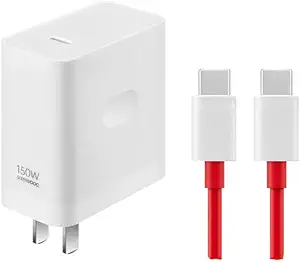
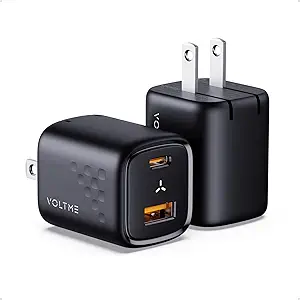
45W USB-C Charger Buying Guide: What Android Users Need to Know
A 45W USB-C wall charger can dramatically cut charging times for compatible Android phones, but not every 45W unit delivers the same performance. This guide breaks down what matters when evaluating a charger like this one, from power delivery standards to cable quality.
Key Considerations Before Buying
- Confirm your phone supports 45W USB Power Delivery (PD) or a proprietary fast-charge standard. Many Samsung Galaxy S-series models top out at 25W or 45W depending on the model, while other Android brands rely on their own protocols that a generic PD charger may not fully trigger.
- Check that the charger uses USB Power Delivery with PPS (Programmable Power Supply) support if you own a recent Samsung device. PPS is what enables Samsung's Super Fast Charging at 45W, and a charger without PPS may fall back to slower 15W or 25W charging.
- Evaluate the included cable carefully, since a 45W charger is only as good as its cord. Look for a USB-C to USB-C cable rated for at least 3A (ideally 5A) and 60W or higher to avoid bottlenecking the charger's output.
What Our Analysts Recommend
Quality indicators include explicit PD 3.0 and PPS certification, clear wattage and amperage labeling on both charger and cable, and safety features like overcurrent and overheat protection. A compact GaN (gallium nitride) design is a plus for portability, and UL or ETL certification signals the unit has passed independent safety testing.
Wall Chargers Market Context
Market Overview
The USB-C wall charger market has exploded alongside the shift away from bundled chargers in phone boxes, with 45W units now a sweet spot for fast-charging mid-range and flagship Android phones. Prices range widely from budget no-name units to branded chargers, and the gap in real-world performance often comes down to protocol support rather than raw wattage claims.
Common Issues
A frequent complaint in this category is chargers that advertise 45W but only deliver it to specific devices or with specific cables, leaving other phones charging slowly. Buyers also report overheating in cheap units and premature cable failure, especially with cords that aren't rated for the charger's full amperage.
Quality Indicators
Look for chargers that specify which fast-charge protocols they support (PD 3.0, PPS, QC 4+) rather than just a wattage number. Reputable brands typically list safety certifications, publish detailed output specs per port, and include cables with matching power ratings.
Review Authenticity Insights
Grade B Interpretation
A Grade B authenticity score with roughly 15% estimated fake reviews means most feedback is genuine, but a meaningful minority may be inflated or incentivized. The gap between the 4.89 displayed rating and the 4.50 adjusted rating suggests some reviews are likely skewing the score upward, though the adjusted figure still indicates solid customer satisfaction.
Trust Recommendation
Treat the adjusted 4.50 rating as the more realistic signal and weight it alongside the large review volume of over 11,000 ratings. Since all reviews are verified purchases, the feedback base is more trustworthy than average, but shoppers should still discount gushing five-star reviews that lack specific detail about charging speed or device compatibility.
Tips for Reading Reviews
Focus on reviews that name the specific phone model and report measured charging times or wattage, as these are hardest to fake. Pay attention to recurring complaints about cable durability or compatibility with particular Android brands, and be skeptical of reviews that read like marketing copy.
Expert Perspective
This 45W USB-C charger appears to be a solid performer backed by a large volume of verified-purchase reviews, with an adjusted 4.50 rating that holds up after accounting for likely review inflation. The Grade B authenticity score is typical for high-volume accessory listings and shouldn't be a dealbreaker, but it does warrant some caution. For Android users whose phones support 45W PD or PPS charging, this unit is positioned to deliver meaningful speed gains over standard 15W chargers.
Purchase Considerations
Before buying, verify that your specific phone model supports 45W USB PD or PPS, since many Android devices cap at lower wattages and won't benefit from the extra power. Also confirm the included cable is rated for the charger's output, and consider whether you need a compact GaN design for travel.
Comparing Alternatives
Shoppers should compare this charger against branded 45W PD/PPS units from established manufacturers, especially if warranty support and safety certification are priorities.