Choosing a Floor-Standing Grow Light: What the LBW 214-LED Model Reveals
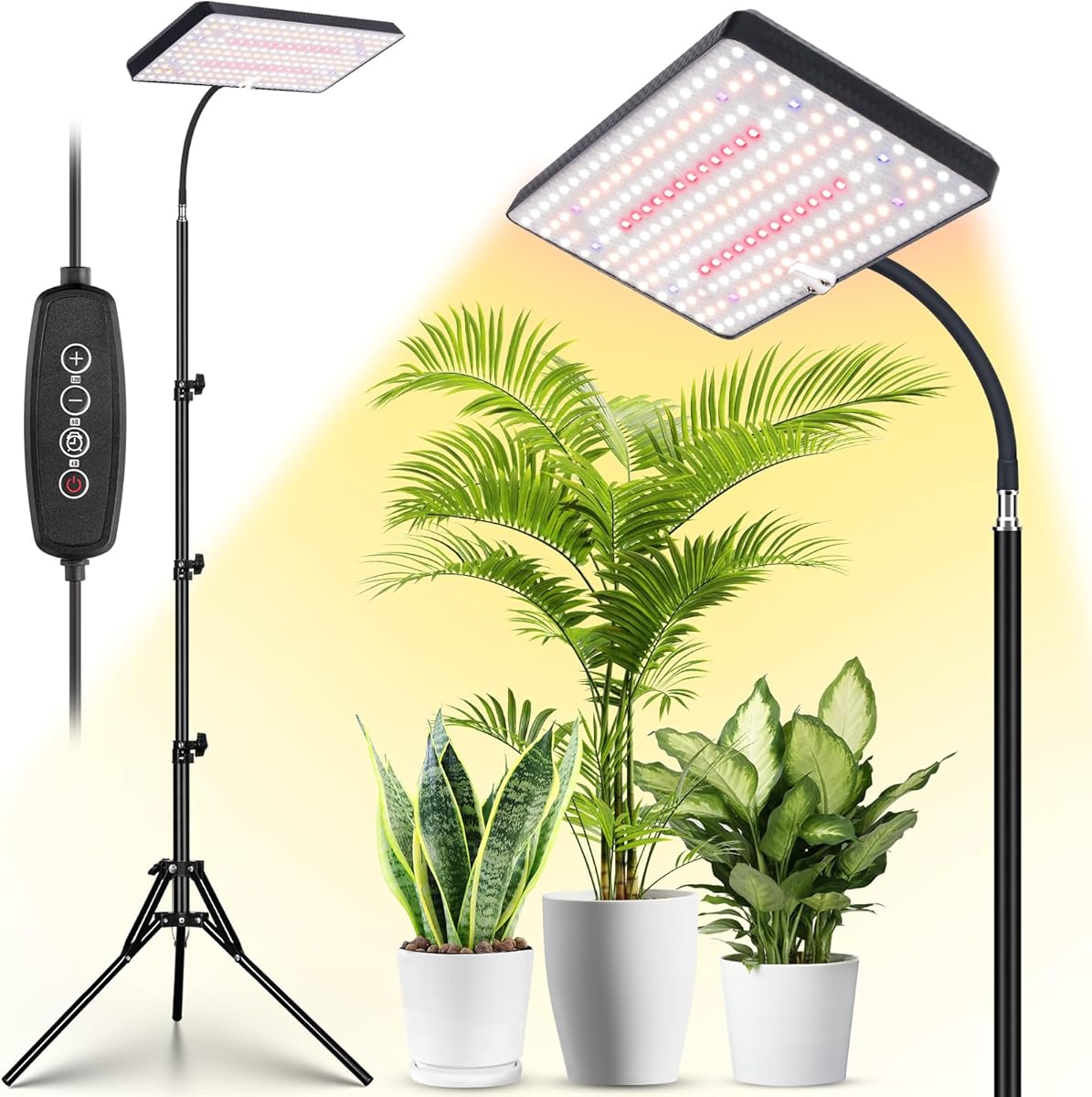
When selecting a floor-standing grow light like the LBW model with a 75" tripod, the key is matching the fixture's physical and spectral output to your specific plants and space. This particular unit combines a full-spectrum 214-LED array with a fully adjustable stand, making it suitable for taller plants or clustered arrangements that need overhead illumination from a distance.
Key Considerations Before Buying
- The 75" adjustable tripod is ideal for illuminating tall, mature plants like fiddle leaf figs or small trees, but requires sufficient floor space and stability—consider your room layout.
- With 6 brightness levels and 4/8/12H timer presets, this light offers flexibility for different plant photoperiod needs, from low-light succulents to flowering herbs.
- The 214 full-spectrum LEDs aim to mimic sunlight for all growth stages; assess if your plants require more intense red/blue spectra for fruiting or flowering versus general vegetative growth.
What Our Analysts Recommend
For standing grow lamps, inspect the adjustability and stability of the tripod mechanism, as wobble can be a failure point. Genuine full-spectrum lights should list a color temperature (e.g., 4000K-5000K) and PAR/PPFD values—their absence in marketing materials is a red flag. A quality timer should maintain its cycle reliably after a power interruption.
Growing Lamps Market Context
Market Overview
The market for floor-standing grow lights is expanding beyond dedicated gardeners to casual houseplant enthusiasts, driving demand for user-friendly designs with built-in timers and adjustable stands. Products like the LBW model compete directly with brands such as Lordem and Juhefa, which offer similar tripod-style fixtures in the $60-$100 range.
Common Issues
Common pitfalls in this category include flimsy tripod legs that become unstable at full extension, timers that reset after unplugging, and LED panels that provide insufficient intensity (measured as PPFD) for light-hungry plants beyond the seedling stage. Heat dissipation is less critical with LEDs but poor design can still shorten driver life.
Quality Indicators
Look for products specifying actual wattage (not 'equivalent' wattage) and PAR/PPFD data at various distances. A sturdy, metal tripod with wide footpads indicates better stability. Positive reviews that mention specific plant responses over weeks—not just unboxing impressions—are strong quality signals.
Review Authenticity Insights
Grade B Interpretation
A Grade B authenticity rating with an estimated 15% fake review rate for this LBW light suggests a generally trustworthy review pool, but advises cautious optimism. The 0.37-point drop from the displayed 4.67 to the adjusted 4.30 rating indicates some review inflation, though not severe manipulation.
Trust Recommendation
Focus on the verified purchase reviews, which all are here, and prioritize those discussing long-term use (2+ months), specific plant types, and any issues with timer functionality or stand stability. Be slightly more skeptical of overly effusive 5-star reviews that lack plant-specific details.
Tips for Reading Reviews
For grow lights, the most valuable reviews detail the exact plant species being grown, the distance from light to canopy, the brightness/timer settings used, and observed growth results or issues over a full month. Reviews mentioning 'leg wobble' at full height or 'timer reset' are particularly insightful for this product form factor.
Expert Perspective
The LBW 214-LED standing grow light presents a compelling package for the intermediate houseplant enthusiast needing flexible, overhead lighting. Its strong adjusted rating of 4.30 from verified purchasers indicates real user satisfaction, particularly with the convenience features. The combination of a tall tripod, multiple timer settings, and dimmable full-spectrum LEDs addresses the core needs for growing a variety of medium-light plants. However, the absence of published PAR/PPFD metrics makes it difficult to gauge its true efficacy for high-light-demanding plants like peppers or tomatoes.
Purchase Considerations
This light is best suited for someone with several medium-to-tall plants grouped together, who values the set-and-forget convenience of a built-in timer over a smart plug. Consider your ceiling height and whether the 75" maximum height is necessary or if a shorter, potentially sturdier model would suffice. The 6 brightness levels are useful for acclimating plants or providing seasonal adjustments.
Comparing Alternatives
Shoppers should compare the LBW's feature set and tripod design against similar models from Juhefa or Lordem, paying close attention to warranty length and the material quality of the stand joints.