
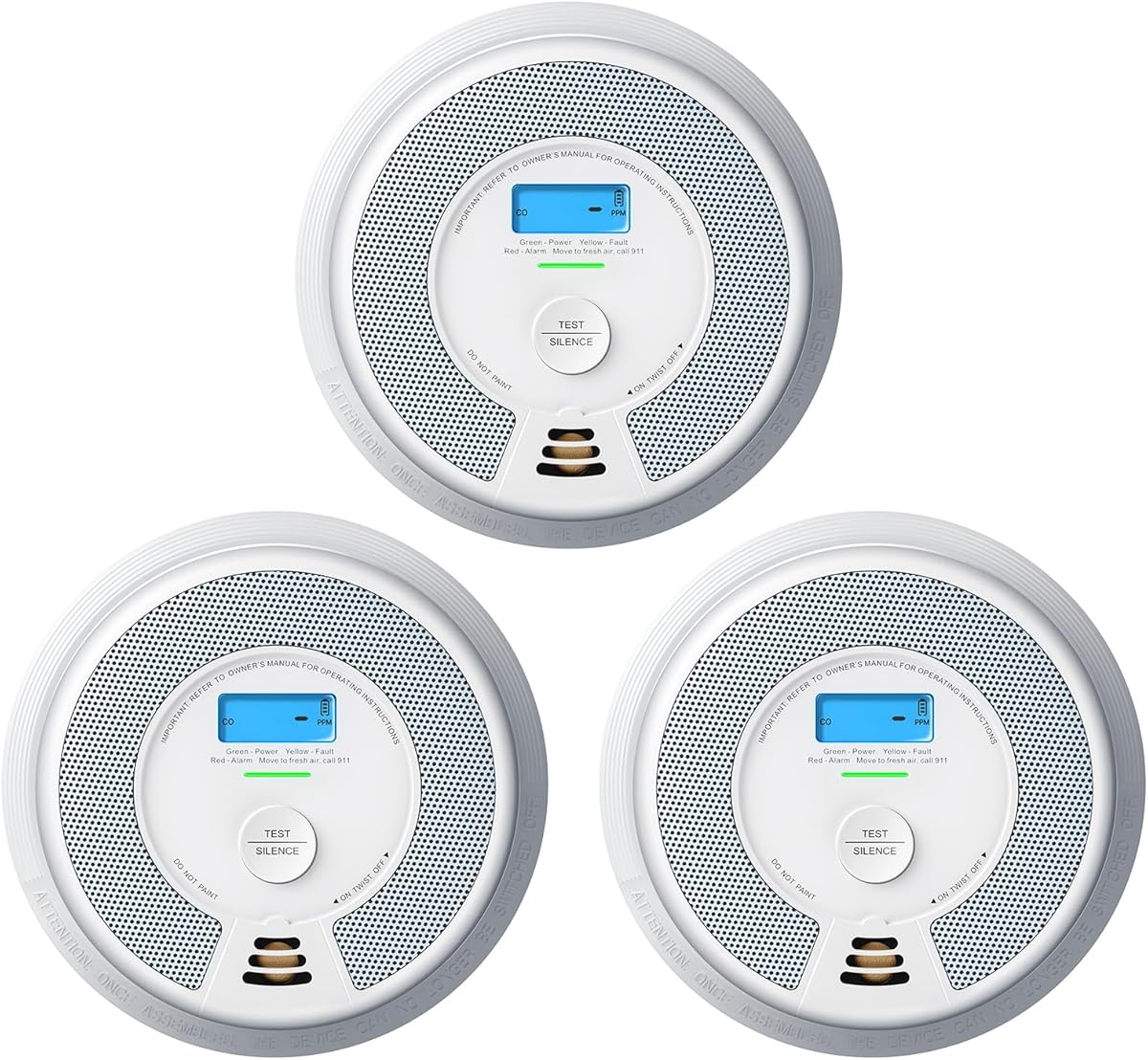
Evaluating 10-Year Combo Alarms: What the X-Sense XP0H-SN Offers
When considering the X-Sense XP0H-SN 3-pack, you're looking at a modern safety solution that combines smoke and carbon monoxide detection with a sealed 10-year lithium battery. This non-hardwired design eliminates annual battery changes but requires understanding the product's complete lifecycle. The UL 217 9th Edition certification indicates it meets the latest standards for smoke alarm responsiveness.
Key Considerations Before Buying
- The 10-year sealed battery means you'll replace the entire unit after a decade, which simplifies maintenance but requires budgeting for full replacement versus just battery changes.
- As a non-hardwired unit, this X-Sense model won't interconnect with existing wired systems, making it ideal for standalone applications or older homes without interconnected wiring.
- The 3-pack configuration suggests placement in multiple key areas (bedrooms, hallways, living areas) to create comprehensive coverage throughout your living space.
What Our Analysts Recommend
For combo detectors, prioritize UL 217 9th Edition certification for smoke detection and UL 2034 for CO detection—the X-Sense meets the former but verify the latter. Examine the sensor technology: photoelectric sensors like this model's are superior for smoldering fires, which cause most residential fire deaths.
Combination Smoke & Carbon Monoxide Detectors Market Context
Market Overview
The combination alarm market has shifted toward 10-year sealed battery units, reducing maintenance but creating a predictable replacement cycle. Manufacturers like X-Sense compete with First Alert and Kidde by offering value packs and modern certifications. The UL 217 9th Edition standard, implemented in 2020, requires faster response to smoldering fires and nuisance alarm resistance.
Common Issues
Consumers often misunderstand that 10-year batteries mean 10-year product life, not replaceable batteries. Non-interconnectability limits whole-home alert systems unless units have wireless linking capabilities. Some combo alarms struggle with distinguishing between smoke types, leading to false alarms or delayed responses.
Quality Indicators
Look for dual-sensor smoke detection (photoelectric and ionization) though the X-Sense uses photoelectric only. Verify both UL certifications are current, and examine the warranty—10-year limited warranties typically cover the entire product lifespan. Quality units feature test/silence buttons and low-battery chirp warnings well before failure.
Review Authenticity Insights
Grade B Interpretation
A Grade B authenticity rating with 15% estimated fake reviews suggests generally reliable feedback with some manipulation. The adjusted rating of 4.50/5 from 4.89/5 indicates the genuine consensus remains strong but slightly lower than the raw average. This level of authenticity is typical for high-volume safety products where manufacturers may incentivize reviews.
Trust Recommendation
Focus on verified purchase reviews that mention specific installation experiences or long-term testing. Given the 85% authentic review rate, look for patterns in the genuine feedback about battery life, alarm loudness, and mounting experiences. Be skeptical of reviews that don't mention the 10-year sealed battery limitation or hardwired alternatives.
Tips for Reading Reviews
For safety products, prioritize reviews discussing actual testing (using the test button) and installation specifics. Look for mentions of false alarm experiences and customer service interactions, as these reveal real-world performance. Reviews noting the UL 217 9th Edition certification demonstrate informed purchasing decisions.
Expert Perspective
The X-Sense XP0H-SN presents a compelling value proposition with its 3-pack configuration and modern certifications. The 4.50/5 adjusted rating from predominantly authentic reviews suggests satisfied customers appreciate the maintenance-free decade of protection. However, the photoelectric-only smoke detection, while excellent for smoldering fires, may respond slower to flaming fires compared to dual-sensor units. The non-hardwired design makes installation simple but limits integration possibilities.
Purchase Considerations
Consider whether your home needs interconnected alarms—if so, you'll need wireless-interconnect models or hardwired units. Evaluate if the 10-year sealed battery aligns with your maintenance preferences versus replaceable battery models. The 3-pack offers economy but ensure you need three units; some spaces may require different sensor types or placements.
Comparing Alternatives
Compare with Kidde's 10-year sealed battery combo units and First Alert's offerings, particularly their dual-sensor models, to assess sensor technology trade-offs.


