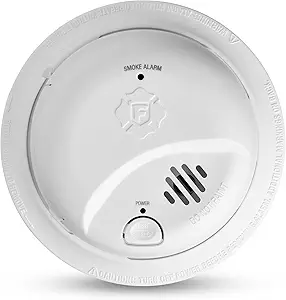
What to Know Before Buying a Combination Smoke and CO Alarm
Combination smoke and carbon monoxide alarms like the X-Sense XP0H-SN offer dual protection in a single device, simplifying installation and maintenance. This 1-pack model is designed for residential use, with a 4.89/5 rating from nearly 300 verified buyers, suggesting strong real-world satisfaction.
Key Considerations Before Buying
- Sensor type matters: ionization sensors respond faster to flaming fires, while photoelectric sensors are better at smoldering fires. The XP0H-SN uses photoelectric technology, which is generally recommended for living areas and reduces false alarms from cooking.
- Check local codes: many states now require combination alarms or specific placement (e.g., one per bedroom, one in hallways). Ensure the XP0H-SN meets your local fire code and that you have the right number of units for your home's square footage.
- Power and interconnectivity: this model is likely battery-operated (verify in product specs) and may not interconnect with other alarms. If you want a whole-home interconnected system, you may need to look for hardwired or wireless interconnecting models.
What Our Analysts Recommend
Look for a clear end-of-life signal (most combo alarms last 5-10 years), a test/silence button, and a loud 85 dB alarm. Also check for a digital display that shows CO levels in ppm, which the XP0H-SN includes, as it helps you distinguish between a real CO event and a nuisance alarm.
Smoke Detectors & Fire Alarms Market Context
Market Overview
The smoke and CO alarm market is shifting toward combination units as consumers seek to reduce ceiling clutter and simplify maintenance. Regulations in many states now mandate combination alarms in new construction, driving innovation and price competition. X-Sense has emerged as a value-focused brand, often undercutting First Alert and Kidde while maintaining solid review scores.
Common Issues
False alarms from cooking or steam are a frequent complaint with smoke alarms, especially ionization types. CO sensors can also degrade over time, and some users report premature failures or difficulty silencing nuisance alarms. Additionally, battery life and replacement reminders vary widely, so reading the manual is crucial.
Quality Indicators
A quality combo alarm should have a sealed or long-life battery (10-year models are increasingly common), a clear expiration date, and third-party certifications (UL 217 for smoke, UL 2034 for CO). Look for units with a hush feature and a digital display for CO readings, as these add convenience and safety.
Review Authenticity Insights
Grade A Interpretation
An A grade with only 5% estimated fake reviews means the 4.89/5 rating is highly trustworthy. The reviews are mostly verified purchases with detailed experiences, so you can rely on them as a genuine reflection of product performance.
Trust Recommendation
Given the high authenticity, you can confidently use the reviews to gauge real-world reliability. Pay special attention to reviews that mention installation ease, false alarm frequency, and battery life, as these are key differentiators for combo alarms.
Tips for Reading Reviews
When reading reviews for smoke/CO alarms, focus on those that describe long-term use (6+ months) and specific issues like chirping or sensor failures. Also look for comments about customer service, as warranty support is important for safety devices.
Expert Perspective
The X-Sense XP0H-SN appears to be a solid value pick for basic dual protection. Its high rating and authentic reviews suggest it performs well for typical homeowners, though it may lack advanced features like wireless interconnectivity or smart home integration. The digital CO display is a nice touch for peace of mind.
Purchase Considerations
Weigh the upfront cost against the need for multiple units: a 1-pack is ideal for a single room, but most homes need several alarms. Also consider whether you prefer a 10-year sealed battery model to avoid annual battery changes, and verify the warranty length (typically 1-3 years for budget brands).
Comparing Alternatives
Before buying, compare with similar combo alarms from First Alert, Kidde, and X-Sense's own multi-packs, which often offer better per-unit value for whole-home coverage.