Centrifugal Juicers: Speed, Yield, and the 400W Question
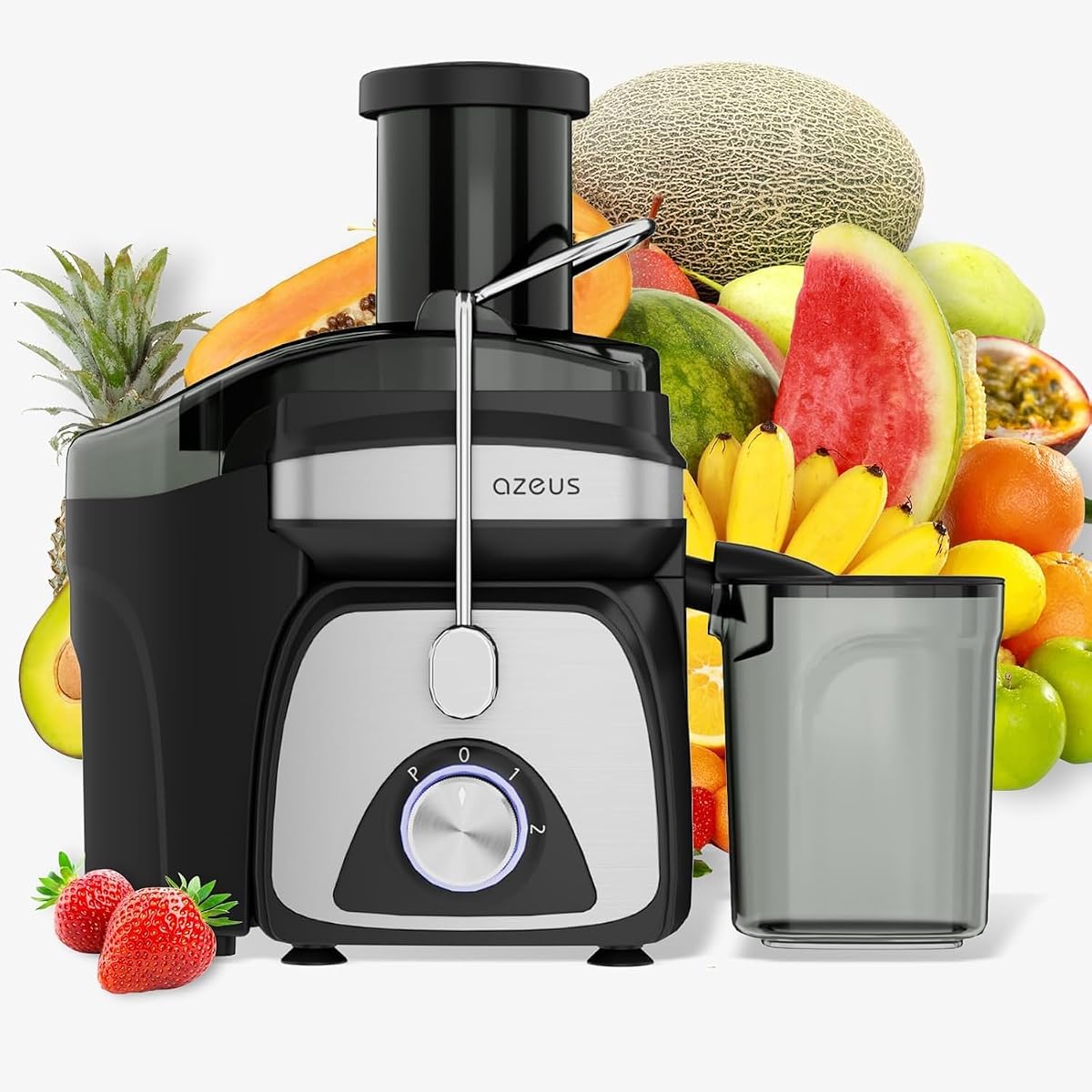
Centrifugal juicers like the AZEUS 400W model spin produce against a shredding disc to extract juice fast, but their performance hinges on motor wattage, feed chute size, and cleanup design. Before buying, understand how these factors affect daily usability, especially if you plan to juice hard vegetables like carrots or beets.
Key Considerations Before Buying
- Motor wattage and torque: The AZEUS's 400W motor is modest compared to 800W+ models, meaning it may struggle with dense produce and require more prep (smaller cuts) to avoid clogging or overheating.
- Feed chute diameter: A narrow chute (common on budget models) means more chopping time; a wide chute saves prep but often costs more. Check the actual chute size, not just the claim.
- Cleanup and assembly: Centrifugal juicers have multiple parts (pusher, lid, filter basket, pulp container). Dishwasher-safe components and a included cleaning brush drastically reduce post-juicing hassle.
What Our Analysts Recommend
Prioritize a stainless-steel filter basket (more durable than plastic), a motor with overload protection, and a pulp container that's easy to empty. Also check the warranty length—budget juicers often have short coverage, reflecting motor life expectations.
Centrifugal Juicers Market Context
Market Overview
The centrifugal juicer market is saturated with sub-$100 models, many from lesser-known brands. While they offer affordability, performance varies widely, and motor burnout is a common complaint after months of regular use.
Common Issues
Frequent problems include excessive foam, pulp left wet (low yield), and difficulty juicing leafy greens. Noise is also a factor—centrifugal juicers are inherently loud, often exceeding 80 decibels.
Quality Indicators
Look for verified reviews mentioning longevity (6+ months of use) and specific produce types. A high ratio of verified purchases and detailed, balanced feedback (pros and cons) signals authenticity. Avoid models with only 5-star reviews and vague praise.
Review Authenticity Insights
Grade B Interpretation
The B authenticity grade and 15% estimated fake review percentage indicate mostly genuine reviews but with some manipulation. This is typical for budget kitchen appliances, where sellers may solicit positive reviews to boost visibility.
Trust Recommendation
Trust the 4.60 adjusted rating more than the perfect 5.00, as it accounts for potential fakes. Focus on verified purchase reviews that mention specific use cases (e.g., 'juicing carrots daily') and acknowledge drawbacks.
Tips for Reading Reviews
For centrifugal juicers, prioritize reviews that discuss motor performance over time, ease of cleaning, and actual juice yield. Ignore reviews that only praise speed without mentioning noise or pulp dryness.
Expert Perspective
The AZEUS 400W Centrifugal Juicer is an entry-level option best suited for light, occasional juicing of soft fruits and vegetables. Its 4.60 adjusted rating suggests satisfied buyers, but the low wattage and typical budget-build limitations mean it's not a workhorse for daily juicing of hard produce. At this price point, expect compromises in durability and efficiency.
Purchase Considerations
If you juice mainly soft produce (apples, cucumbers, citrus) and want a low-cost starter, this could work. But if you plan to juice daily or use dense vegetables, invest in a higher-wattage model or a masticating juicer for better yield and longevity.
Comparing Alternatives
Compare with other 400W–600W centrifugal juicers from brands like Hamilton Beach or Breville, which may offer better build quality and customer support for a similar price.