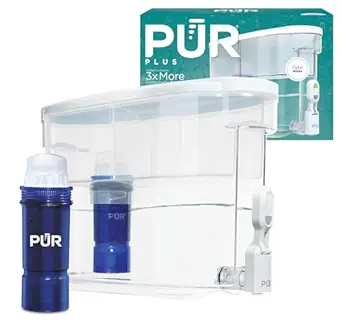
Maximize Your Pitcher's Potential: The BritaPlus Filter Upgrade
When you're ready to replace your Brita pitcher filter, the BritaPlus line offers a significant upgrade over standard models. These filters are designed to reduce twice as many contaminants, including chlorine, zinc, copper, and mercury, making them a compelling choice for health-conscious households.
Key Considerations Before Buying
- Check compatibility: The BritaPlus filter is designed for most Brita pitchers and dispensers, but always verify your specific model number to ensure a proper fit and seal.
- Understand the contaminant reduction: The '2x more' claim refers to the number of contaminants reduced compared to standard Brita filters, not a doubling of reduction rate for each contaminant. This filter is WQA/NSF certified for chlorine, taste, odor, zinc, copper, and mercury.
- Plan your replacement schedule: Brita recommends replacing this filter every 40 gallons or approximately every two months, depending on usage. Mark your calendar or set a reminder to maintain optimal water quality.
What Our Analysts Recommend
Look for filters with third-party certifications like WQA or NSF, which confirm performance claims. The filter's ability to reduce specific contaminants such as mercury and copper is a key quality indicator, as is the brand's reputation for reliability and ease of installation.
Replacement Pitcher Water Filters Market Context
Market Overview
The replacement pitcher water filter market is dominated by a few key players, with Brita holding a significant share due to its widespread availability and brand recognition. Consumers are increasingly seeking filters that address a broader range of contaminants beyond just chlorine and taste, driving demand for enhanced models like the BritaPlus.
Common Issues
Common concerns include filter compatibility with older pitcher models, the actual lifespan of the filter versus manufacturer claims, and the cost-effectiveness of replacement filters over time. Some users also report a slight initial taste or cloudy water after installation, which typically resolves after a few uses.
Quality Indicators
Quality is best assessed through certifications (NSF/ANSI standards), the specific contaminants listed for reduction, and the filter's construction—look for a tight seal and activated carbon that is securely packed. User reviews that mention consistent water flow and taste over the filter's lifespan are also strong indicators.
Review Authenticity Insights
Grade A Interpretation
With a Review Authenticity Grade of A and an estimated fake review percentage of only 5%, you can be highly confident that the overwhelmingly positive feedback (4.89/5 stars) reflects genuine user experiences. This low rate of suspicious reviews is exceptional and suggests the product's high rating is earned.
Trust Recommendation
Given the strong authenticity signals, you can trust the reviews for this product. Focus on the detailed, verified purchase reviews that describe specific usage scenarios, such as taste improvement over time or compatibility with different pitcher models, to get the most actionable insights.
Tips for Reading Reviews
When reading reviews, look for those that mention the filter's performance after several weeks of use, as this provides the best indicator of longevity. Also, note any comments about installation ease or initial water cloudiness, as these are common experiences that the filter's design can address.
Expert Perspective
The Brita BritaPlus Replacement Water Filter stands out as a high-performing upgrade that lives up to its claims, particularly given the strong authenticity of its reviews. The WQA/NSF certification for reducing mercury and copper, along with the broader contaminant list, makes it a solid choice for those looking to improve tap water quality beyond basic filtration. The near-perfect rating and low fake review rate suggest consistent user satisfaction, which is rare in any product category.
Purchase Considerations
Consider the initial cost versus the standard Brita filter—the BritaPlus is typically more expensive per filter, but the added contaminant reduction may justify the price for your household. Also, factor in the filter's lifespan and how it aligns with your water usage to ensure you're getting value over time.
Comparing Alternatives
While the BritaPlus is a top contender, shoppers should also compare it with other enhanced pitcher filters from brands like PUR or ZeroWater, especially if specific contaminant reduction (e.g., lead or PFOA) is a priority.