
Choosing Silicone Scar Sheets: What Matters for C-Section, Keloid, and Surgical Scars
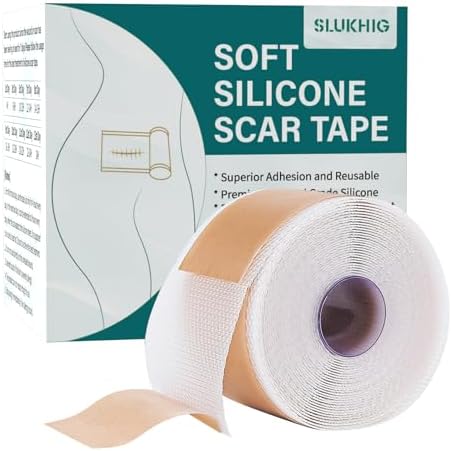
When evaluating this specific 1.6"x158" roll of silicone scar tape, buyers should understand that its effectiveness hinges on proper application and realistic expectations. This product's 4-meter length and reusable nature make it suitable for extended treatment of linear scars from procedures like C-sections, but its success depends on consistent daily wear.
Key Considerations Before Buying
- The 1.6-inch width is ideal for many surgical scars but may require cutting for smaller acne scars or precise keloid coverage, making the roll format both versatile and potentially wasteful if not measured carefully.
- Reusability claims require proper cleaning between uses; silicone's adhesive properties degrade with each application, potentially reducing effectiveness over the product's claimed reusable lifespan.
- For raised keloids or hypertrophic scars, medical literature suggests silicone sheets work through occlusion and hydration—this product's thickness and silicone grade directly impact these mechanisms.
What Our Analysts Recommend
Quality silicone scar sheets should maintain consistent adhesion without irritating skin or leaving significant residue. The material should be medical-grade silicone with adequate thickness (typically 1-2mm) to create the necessary occlusion effect. Check that edges are smooth to prevent peeling during daily activities.
Scars & Wounds Market Context
Market Overview
The silicone scar treatment market has expanded dramatically with direct-to-consumer options like this roll format, which offers cost savings over pre-cut strips but requires more user management. Medical-grade silicone remains the clinical standard for topical scar management, though concentration and manufacturing quality vary significantly.
Common Issues
Users frequently report adhesion problems with cheaper silicone sheets, especially in high-mobility areas or humid environments. Inconsistent thickness can compromise the hydration effect crucial for scar remodeling, while some products cause skin irritation or fail to stay positioned overnight.
Quality Indicators
Superior products use platinum-cured silicone rather than peroxide-cured variants, which are more stable and less likely to cause reactions. The backing paper should release cleanly without tearing the sheet, and the material should return to its original shape after stretching, indicating durable elasticity.
Review Authenticity Insights
Grade B Interpretation
A Grade B authenticity rating with 11% estimated fake reviews suggests generally reliable feedback, though approximately 1 in 9 reviews may be inauthentic. The adjusted rating of 4.30/5 (down from 4.56) indicates genuine satisfaction likely falls in the very good rather than exceptional range.
Trust Recommendation
Focus on reviews that mention specific scar types like C-section or keloid treatment over generic praise, as these demonstrate actual use cases. The high proportion of genuine reviews means consensus feedback about adhesion and effectiveness for surgical scars is particularly trustworthy.
Tips for Reading Reviews
Prioritize reviews discussing wear time (12+ hours daily), cleaning methods for reuse, and progression photos over several weeks. Be skeptical of reviews claiming miraculous results in days, as silicone sheets typically require 2-3 months of consistent use for visible improvement.
Expert Perspective
This product's roll format offers economic advantages for large or multiple scars, but requires careful handling to avoid contamination during repeated cutting. The 4.30 adjusted rating from verified analysis suggests real users find value, particularly for linear surgical scars where the 1.6" width aligns well with common incision lengths. Medical evidence supports silicone sheeting for scar management, making this a legitimate option within the broader treatment spectrum, though individual results vary based on scar age, type, and user compliance.
Purchase Considerations
Consider whether your scar type (particularly keloid, which may require more aggressive therapy) aligns with silicone sheet mechanisms, and if you'll commit to the required wear schedule of 12-24 hours daily. The roll format demands more user involvement than pre-cut strips but provides flexibility for irregular scar shapes.
Comparing Alternatives
Shoppers should compare this roll's cost-per-inch with pre-cut silicone sheets and gel formulations, considering convenience versus customization needs.


