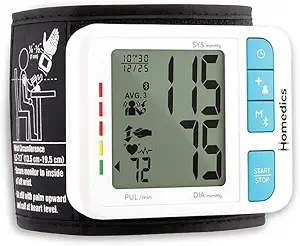
Choosing a Wrist Blood Pressure Monitor: Key Features for Accuracy and Convenience
When evaluating wrist blood pressure monitors like the Oklar model, focus on features that impact both measurement reliability and daily usability. This specific product emphasizes convenience with its rechargeable battery, voice broadcast, and substantial 240-reading memory, making it suitable for two users tracking trends over time.
Key Considerations Before Buying
- Wrist positioning is critical—devices like the Oklar require the cuff to be at heart level during measurement, which can introduce user error compared to upper-arm models.
- The 240-memory capacity with dual-user support is substantial for tracking weekly or monthly trends, but verify the interface for easily comparing historical readings.
- Rechargeable batteries offer long-term cost savings over disposables, but assess the battery life per charge cycle for consistent home monitoring.
What Our Analysts Recommend
Prioritize monitors with clear visual cues for proper cuff placement and consistent inflation mechanisms. For wrist models, a bright LED backlit display like Oklar's is essential for reading results in various lighting conditions, while voice broadcast can aid users with visual impairments.
Wrist Monitors Market Context
Market Overview
The wrist blood pressure monitor market is increasingly competitive, with brands emphasizing portability and smart features. Products like the Oklar target users seeking a compact, travel-friendly alternative to bulkier arm-cuff models, often at a lower price point.
Common Issues
Wrist monitors frequently face accuracy challenges due to improper positioning or movement during measurement. Users also report frustration with small displays, confusing memory functions, and short battery life in non-rechargeable models.
Quality Indicators
Look for devices validated by medical associations, consistent inflation/deflation cycles, and intuitive data management. A carrying case, like the one included here, often indicates design consideration for portability and protection.
Review Authenticity Insights
Grade B Interpretation
A Grade B authenticity rating with an 11% estimated fake review rate suggests the majority of Oklar's 29,519 reviews are genuine, but shoppers should remain cautious of overly promotional content. The adjusted rating of 4.60/5 (down from 4.89) still indicates strong user satisfaction.
Trust Recommendation
Focus on reviews that detail specific usage scenarios, such as comparing readings with a doctor's office or managing the dual-user memory. Be skeptical of vague, repetitive praise lacking personal context.
Tips for Reading Reviews
Seek out reviews discussing calibration, battery life per charge, and clarity of the voice broadcast feature. Long-term updates (e.g., 'after 6 months of use') provide valuable insights into durability and consistency.
Expert Perspective
The Oklar wrist monitor presents a feature-rich package for users prioritizing convenience and data tracking. Its high adjusted rating of 4.60/5, based largely on genuine reviews, suggests it meets expectations for ease of use and functionality in its category. The combination of voice broadcast, backlit display, and extensive memory addresses common pain points for home monitoring, particularly for multi-user households.
Purchase Considerations
This model is best suited for tech-comfortable users who can meticulously follow wrist positioning guidelines. Those with conditions requiring clinical-grade accuracy or individuals with dexterity challenges may find traditional arm cuffs more reliable. The carrying case enhances its value for frequent travelers.
Comparing Alternatives
Shoppers should compare inflation speed, cuff comfort, and data export capabilities with similar wrist monitors from Omron or Greater Goods before deciding.