
Choosing a CO2 monitor: Why accuracy and calibration matter for indoor air quality
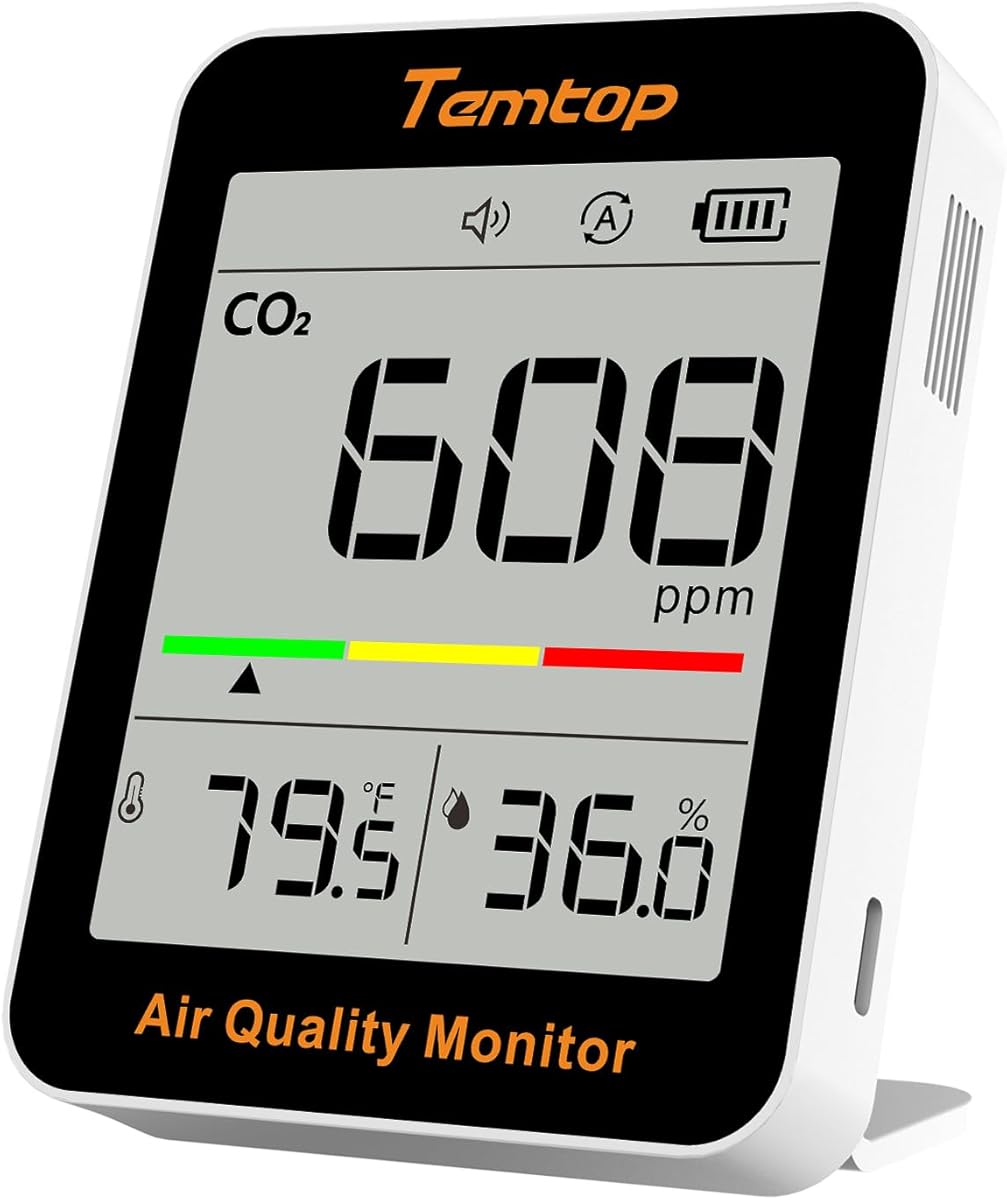
The Temtop CO2 Monitor represents a specific category of indoor air quality devices that measure carbon dioxide alongside temperature and humidity. Unlike basic thermometers or hygrometers, this portable meter provides actionable data about ventilation effectiveness in real-time, which is particularly relevant for home offices, classrooms, or bedrooms where CO2 buildup can impact cognitive function and comfort.
Key Considerations Before Buying
- For the Temtop specifically, consider its NDIR sensor technology—the industry standard for accurate CO2 measurement—versus cheaper electrochemical sensors that drift over time.
- Evaluate the portability and battery life (this model uses USB-C charging) against your intended use, whether stationary monitoring or moving between rooms to identify ventilation trouble spots.
- Assess whether the bundled temperature and humidity readings provide sufficient value, or if you require additional metrics like PM2.5 or VOCs that would necessitate a more comprehensive air quality monitor.
What Our Analysts Recommend
In this category, prioritize monitors with clear calibration procedures (like the Temtop's outdoor auto-calibration feature) and stable readings over time. Look for devices that display CO2 in parts per million (ppm) with a responsive update frequency, as lagging data reduces utility for real-time ventilation adjustments.
Home & Kitchen Market Context
Market Overview
The consumer CO2 monitor market has expanded significantly post-pandemic, with increased awareness of indoor air quality's impact on health and productivity. Devices now range from basic single-sensor units to comprehensive smart home integrations, with the Temtop occupying a middle ground focused on core metrics.
Common Issues
Many budget CO2 monitors suffer from sensor drift, requiring frequent manual recalibration, while others have confusing interfaces or lack data logging. Some units also struggle with distinguishing between elevated CO2 and other gases, leading to false readings that undermine their primary purpose.
Quality Indicators
Quality CO2 monitors typically feature NDIR sensors, offer some form of automatic calibration, provide clear visual indicators (like the Temtop's color-coded LED), and include data logging capabilities. Build quality should feel substantial, as flimsy housings can affect sensor stability.
Review Authenticity Insights
Grade B Interpretation
A Grade B authenticity rating with an 11% estimated fake review rate for this Temtop monitor indicates a generally trustworthy review ecosystem with moderate manipulation. This suggests most reviews reflect genuine experiences, though shoppers should be slightly more critical of excessively glowing 5-star reviews.
Trust Recommendation
Focus on verified purchase reviews that mention specific use cases like monitoring a home classroom or evaluating ventilation after COVID concerns. The adjusted rating of 4.20/5 (down from 4.44) is likely more representative of actual performance, indicating very good but not perfect satisfaction.
Tips for Reading Reviews
For technical products like CO2 monitors, prioritize reviews that discuss calibration experiences, battery life in actual use, and sensor responsiveness over time. Look for mentions of comparing readings with other devices or professional equipment, as these indicate more knowledgeable assessments.
Expert Perspective
The Temtop CO2 Monitor presents as a competent mid-range option based on its review authenticity and adjusted rating. Its strength lies in focusing on the three most immediately actionable indoor air metrics without unnecessary complexity. The portable form factor and USB-C charging address practical concerns for multi-room monitoring, though the lack of smart connectivity or extended data logging may limit some users. The consistent mention of its clear display and straightforward operation in genuine reviews suggests it delivers on core functionality.
Purchase Considerations
Weigh whether the combination of CO2, temperature, and humidity meets your specific air quality concerns, particularly if you're monitoring for ventilation adequacy versus allergen control. Consider how you'll use the data—occasional spot checks require less precision than continuous monitoring for HVAC adjustments. The portability is advantageous for identifying problem areas but means it won't provide whole-home coverage simultaneously.
Comparing Alternatives
Shoppers should compare this Temtop model against similar NDIR-based monitors from brands like AirThings or GZAIR, particularly evaluating calibration methods and data display preferences.