
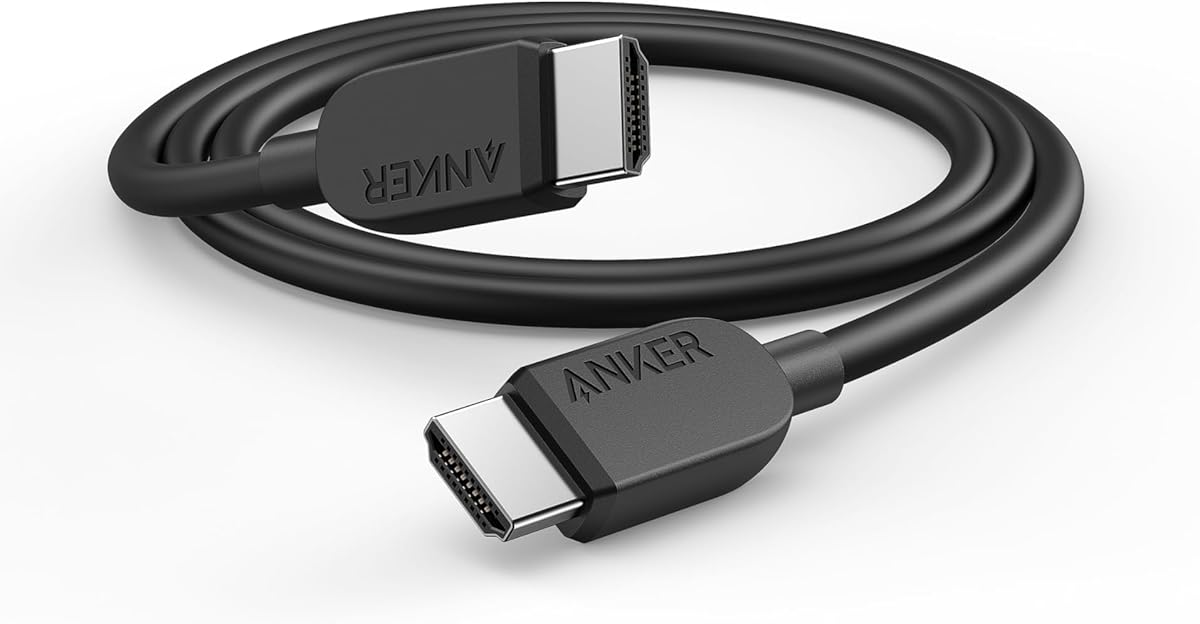
Choosing an 8K HDMI Cable: Why Bandwidth Certification Matters Most
When selecting an HDMI cable for modern gaming consoles like PlayStation 5 or high-refresh 4K displays, the Anker 8K@60Hz cable's 48 Gbps certification is its defining characteristic. This isn't just about future-proofing; it's about ensuring your current 4K@120Hz gaming and media devices operate at their full technical potential without signal degradation.
Key Considerations Before Buying
- The 48 Gbps Ultra High-Speed HDMI certification is non-negotiable for PS5 4K/120fps or Xbox Series X VRR features—this Anker cable has the official certification, not just a marketing claim.
- At 6 feet, this length is ideal for most entertainment center setups, but verify your specific distance needs, as signal integrity for 48 Gbps can diminish in longer, uncertified cables.
- Compatibility listings with Samsung TVs and consoles are useful, but true validation comes from the cable's ability to handle HDMI 2.1 features like ALLM (Auto Low Latency Mode) and eARC, which this cable's bandwidth supports.
What Our Analysts Recommend
For a cable at this performance tier, look for the official "Ultra High Speed HDMI" certification logo or text, not just "8K compatible." Quality connectors should have a robust, snag-free design—Anker's typically feature molded strain relief—to withstand frequent plug cycles behind consoles and media cabinets. The 48 Gbps rating specifically ensures support for 4K at 120Hz with HDR, which is the current demanding standard for next-gen gaming.
Electronics Market Context
Market Overview
The HDMI cable market is saturated with exaggerated claims, but the advent of HDMI 2.1 and 48 Gbps bandwidth has created a clear performance tier where certification is paramount. Cables like this Anker model sit in a premium segment defined by verified bandwidth, not just build quality.
Common Issues
The most frequent user complaints in this category involve handshake failures (blank screens, flickering) with specific AV receivers or TVs when pushing high bandwidth signals, and cables that claim 8K support but lack the actual 48 Gbps throughput for 4K@120Hz.
Quality Indicators
Beyond certification, examine reviews for mentions of consistent performance with VRR (Variable Refresh Rate) and QMS (Quick Media Switching). A quality cable will handle these advanced HDMI 2.1 features silently. Reputable brands like Anker also often use thicker, better-shielded 28AWG or lower gauge conductors for a 6-foot run to minimize signal loss.
Review Authenticity Insights
Grade B Interpretation
A Grade B with an 11% estimated fake review rate indicates a generally trustworthy review pool, but suggests a modest level of incentivized or biased reviews may be present. The adjusted rating of 4.60/5 (down from 4.89) is a more realistic performance expectation, still representing excellent user satisfaction.
Trust Recommendation
Focus on verified purchase reviews that detail specific use cases, like "used to connect my PS5 to an LG C2 for 120Hz gaming." Be slightly more skeptical of overly vague 5-star reviews that lack technical context, as they may constitute part of the estimated 11%.
Tips for Reading Reviews
Prioritize reviews that confirm the cable works with specific HDMI 2.1 features on named equipment (e.g., 'enabled 4K/120 on my Series X'). Look for patterns in critical reviews mentioning handshake issues, as these can reveal compatibility quirks with certain TV or AVR models, even for a well-rated cable.
Expert Perspective
This Anker cable presents a strong value proposition based on the authenticity-adjusted 4.6/5 rating from over 3,200 reviews. The key strength is its certified 48 Gbps bandwidth, which is essential and often misunderstood by consumers buying for next-gen consoles. The high rating likely stems from reliable performance in demanding setups where cheaper cables fail. The minor authenticity flags suggest typical marketplace noise but don't undermine the overwhelmingly positive verified user experiences.
Purchase Considerations
You should purchase this cable if your primary use involves a PlayStation 5, Xbox Series X/S, or a high-end GPU pushing 4K at high refresh rates. It's overkill for standard 4K@60Hz Blu-ray players or streaming devices. Weigh the 6-foot length against your setup; for longer runs, a certified fiber-optic HDMI cable might be a more reliable, though costlier, alternative.
Comparing Alternatives
Shoppers should compare this cable's certification, length, and price point against other certified Ultra High-Speed HDMI cables from brands like Zeskit or Cable Matters to ensure they're getting the best value for verified performance.