Choosing a Multi-Function Fruit Slicer: What Works for Grapes, Tomatoes, and Small Fruits
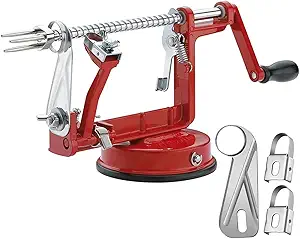
This red tomato slicer and grape cutter represents a specialized niche in kitchen gadgets designed for delicate produce. Buyers should understand that multi-function tools claiming to handle both soft tomatoes and firm grapes require specific blade geometry and material durability to perform both tasks effectively without crushing or tearing.
Key Considerations Before Buying
- Blade spacing is critical—look for 3-4mm gaps for grape slicing versus 6-8mm for tomatoes, as this specific product must accommodate both fruit types without modification.
- Material thickness matters more than color; a red ABS plastic body under 2mm thick may flex during use, affecting slice consistency across different fruit firmness levels.
- Consider storage footprint—this compact grape cutter should nest efficiently with other utensils, as specialized single-task gadgets often create drawer clutter.
What Our Analysts Recommend
Examine the hinge mechanism where blades meet the base; quality indicators include stainless steel pins rather than plastic rivets and smooth, consistent blade alignment. For grape-specific cutting, verify that the crescent-shaped blade channels are sharpened on both sides to prevent grape halves from sticking.
Corers Market Context
Market Overview
The corers and pitters category has expanded beyond apple corers to include specialized tools for grapes, cherries, and small tomatoes, driven by home entertaining and charcuterie board trends. Multi-function designs like this tomato/grape slicer attempt to justify counter space by combining two seasonal tasks.
Common Issues
Plastic fruit slicers frequently suffer from blade dulling after 20-30 uses, especially when cutting acidic tomatoes, and thin plastic bodies may crack near pressure points. Many multi-function tools compromise on one function—often crushing grapes while slicing tomatoes adequately.
Quality Indicators
Superior corers feature food-grade stainless steel blades permanently bonded to handles, not merely inserted. Look for products specifying blade hardness (HRC 50+) and dishwasher-safe construction without metal-on-plastic friction points that degrade.
Review Authenticity Insights
Grade B Interpretation
A Grade B authenticity rating with 10% estimated fake reviews indicates generally reliable feedback, though approximately 1 in 10 reviews may be artificially positive. The 0.19-point drop from the displayed 3.89 to adjusted 3.70 rating suggests some review inflation exists but doesn't fundamentally distort the product's reception.
Trust Recommendation
Focus on reviews mentioning specific use cases like 'grape halves for fruit salad' or 'tomato slices for burgers' rather than generic praise. The 273-review sample provides sufficient data points to identify consistent patterns about blade sharpness and plastic durability.
Tips for Reading Reviews
Prioritize reviews discussing multiple uses over time, as this reveals whether the plastic withstands repeated tomato acidity exposure. Look for mentions of cleaning difficulty—grape residue in narrow blade channels is a common pain point with this design.
Expert Perspective
This product's 3.70 adjusted rating reflects a utilitarian tool that performs adequately for occasional use but shows limitations in durability and precision. The 273 reviews suggest it satisfies basic grape and tomato slicing needs for casual users, though serious cooks may find the plastic construction and blade alignment inconsistent for professional presentation. The multi-function claim holds true only if users accept moderate performance across tasks rather than excellence in any single one.
Purchase Considerations
Weigh your expected usage frequency—this red slicer suits occasional charcuterie board preparation or summer tomato season, but daily use may reveal plastic fatigue. Consider whether you need uniform grape halves for salads or simply split grapes for snacks, as blade spacing determines outcome consistency.
Comparing Alternatives
Compare this tool against dedicated grape splitters and tomato slicers to determine if combined functionality justifies potential compromises in either task.