Choosing a Drywall Sander: Power, Dust Control, and Ergonomics Matter Most
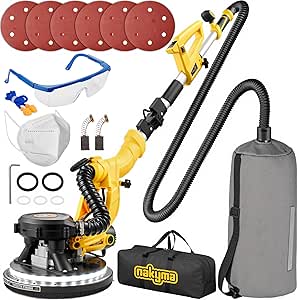
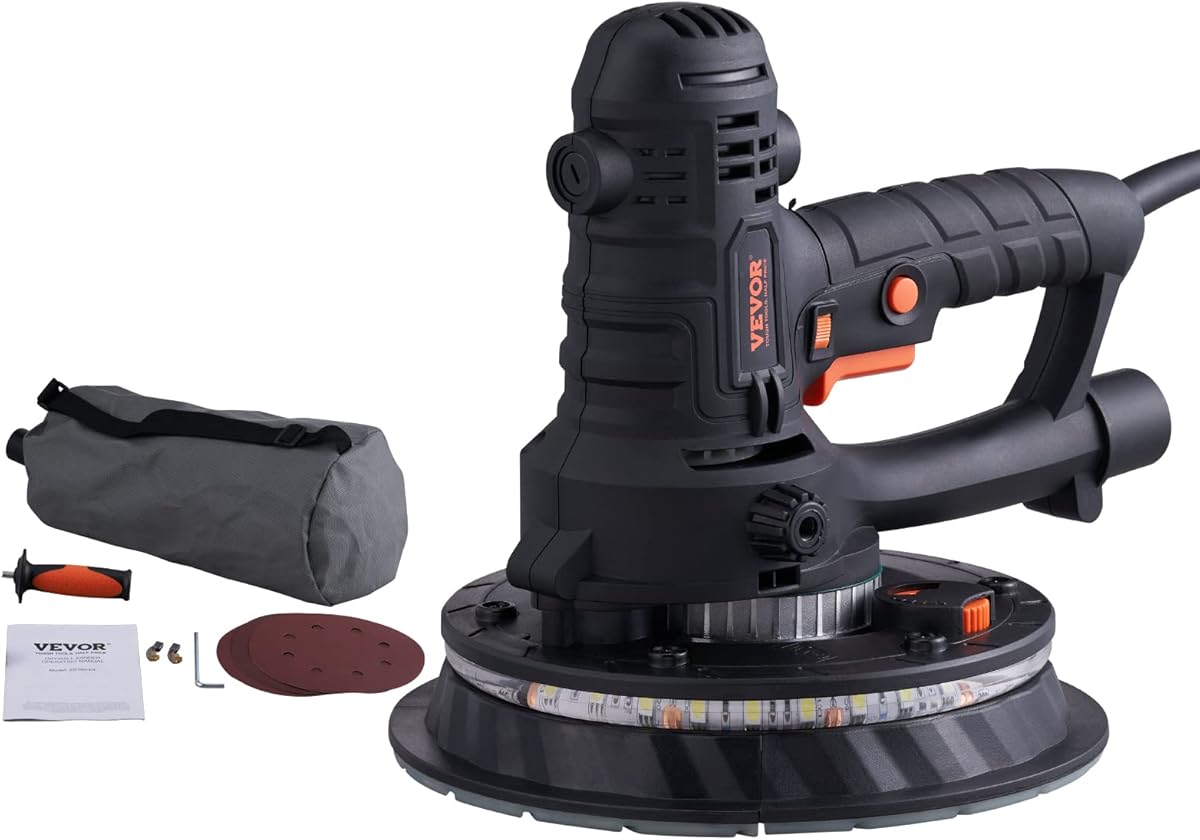
When evaluating the VEVOR 800W Drywall Sander, focus on its specific combination of variable speed control (1200-2300 RPM) and integrated vacuum dust collection. This tool represents a mid-range option designed for DIYers and light contractors tackling drywall finishing, where managing fine gypsum dust is the primary challenge. The included 12 sanding discs and detachable edge feature indicate it's positioned for multi-stage sanding projects.
Key Considerations Before Buying
- Dust collection efficacy is non-negotiable; this model's automatic vacuum system and dust bag must handle fine drywall particulates without clogging or losing suction during extended use.
- Variable speed control (like the 1200-2300 RPM range here) is essential for adapting to different joint compound types and avoiding paper tearing or gouging the drywall face.
- Ergonomics and weight distribution are critical for overhead and wall work; features like the double LED lights and detachable edge on this sander aim to reduce fatigue and improve edge sanding precision.
What Our Analysts Recommend
Quality in a drywall sander is demonstrated by consistent power delivery under load (the 800W motor specification), a sealed bearing system that resists dust infiltration, and a sanding pad that remains flat to prevent swirl marks. The build of the vacuum attachment points and the quality of the included sanding discs (grit range and backing durability) are tangible indicators of overall product execution.
Disc Sanders Market Context
Market Overview
The electric drywall sander market is segmented between high-end professional systems with external HEPA vacs and more affordable, all-in-one units like this VEVOR model aimed at serious DIYers. Recent trends show increased demand for integrated dust management, as drywall dust is a significant cleanup and respiratory concern.
Common Issues
Common failures include underpowered motors bogging down, poor dust seal integrity leading to motor damage, and flimsy vacuum hose connections that leak or detach. Many budget models also suffer from pad wobble, creating an uneven finish that requires additional hand sanding.
Quality Indicators
Look for a motor rated for continuous duty, a metal gear housing (not all plastic), and a vacuum port designed for a standard hose size (typically 1.25" or 1.5") for compatibility with shop vacs. A well-balanced unit with the motor weight centered over the pad, rather than cantilevered, is a sign of thoughtful design for drywall's vertical surfaces.
Review Authenticity Insights
Grade B Interpretation
A 'B' authenticity grade with an 11% estimated fake review rate suggests the majority of feedback is reliable, but shoppers should be slightly cautious of overly glowing assessments. This level is common for tools in this price tier, where some incentivized reviews may exist but genuine user experiences dominate.
Trust Recommendation
Prioritize reviews that detail specific projects (e.g., 'sanded knockdown texture on 12' ceilings' or 'feathered 6" joints') and mention long-term performance over several months. Be skeptical of reviews that don't mention dust collection performance, as that's a core function of this specific tool.
Tips for Reading Reviews
For this product, seek out reviews discussing the real-world effectiveness of the automatic vacuum system with fine dust and the durability of the sanding pad's velcro backing. Reviews noting the usefulness of the double LED lights in shadowy corners or the heft of the tool for overhead work provide credible, practical insights.
Expert Perspective
The VEVOR Drywall Sander presents a feature-rich package at a competitive price point, with its 800W motor, variable speed, and integrated dust collection targeting a common DIY pain point. The adjusted 4.00/5 rating from authentic reviews indicates it generally meets expectations for its category, though it may have nuances in build quality or dust management compared to premium brands. The inclusion of 12 discs and a detachable edge suggests the manufacturer anticipates it being used for both bulk material removal and detailed finish work.
Purchase Considerations
This tool is a sensible choice for homeowners facing significant drywall repair or finishing projects, where the cost justifies over manual sanding. Consider your shop vacuum's power, as the 'automatic' system likely relies on its suction; a weak vac will undermine the tool's primary benefit. For professionals sanding drywall daily, the long-term durability of the bearings and switch may be a concern compared to commercial-grade equipment.
Comparing Alternatives
Shoppers should compare the motor amperage, vacuum hose diameter, and warranty terms against similar all-in-one units from WEN, Bauer, or more expensive Mirka-derived systems.