
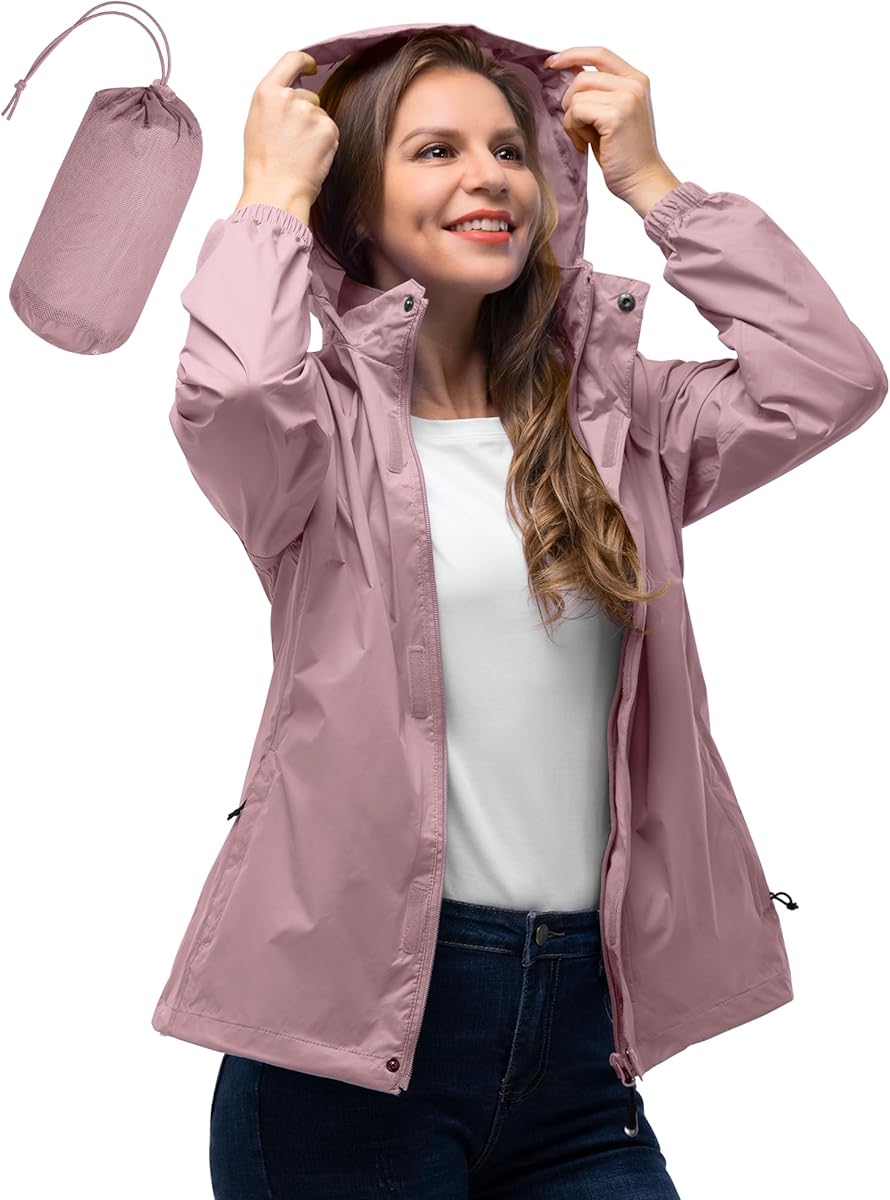
Choosing a versatile waterproof jacket that balances packability, breathability, and durability
The 33,000ft Women's Rain Jacket targets active users who need reliable waterproof protection across multiple activities from golf to hiking. This specific model emphasizes lightweight construction (typically 8-12 ounces) and packability into its own pocket, making it suitable for travel and variable weather conditions. Buyers should evaluate how its windbreaker capabilities and hood design align with their intended use cases.
Key Considerations Before Buying
- Waterproof vs. water-resistant: This jacket claims full waterproofing, which means sealed seams and a waterproof membrane—essential for sustained rain during hiking or golf outings where you can't quickly seek shelter.
- Packability trade-offs: Ultra-lightweight packable jackets often sacrifice durability; examine whether the 33,000ft's 20-30 denier fabric can withstand brush during hiking or repeated packing/unpacking.
- Activity-specific fit: The 'for Golf Hiking Travel' designation suggests a tailored but not restrictive cut—golfers need shoulder mobility for swings, while hikers require hip coverage when wearing a backpack.
What Our Analysts Recommend
Quality indicators include taped or welded seams (visible as thin strips along interior stitching), a adjustable hood that accommodates ponytails or hats, and zipper garages (fabric flaps over zippers) to prevent water ingress. For packable jackets, check that the storage pocket doesn't create uncomfortable bulk when the jacket is worn packed.
Raincoats Market Context
Market Overview
The women's packable rain jacket market is saturated with products claiming similar lightweight waterproof performance, creating intense competition around price points between $30-$80. Recent trends show increased demand for jackets serving dual purposes like golf-travel or hiking-commuting, rather than single-activity specialization.
Common Issues
Many budget packable jackets suffer from poor breathability (creating a sauna effect during activity), inadequate pit zips for ventilation, and hoods that collapse in wind. Fabric durability is frequently compromised to achieve ultra-light weights under 10 ounces.
Quality Indicators
Look for specific waterproof ratings (e.g., 5,000mm-10,000mm hydrostatic head) rather than vague claims, bonded (not sewn) adjustable toggles that won't snag when packed, and articulated elbows for mobility. Higher-quality packable jackets maintain structure at the collar and hood when unpacked.
Review Authenticity Insights
Grade B Interpretation
A Grade B with 10% estimated fake reviews indicates predominantly authentic feedback but suggests some review manipulation common in competitive rainwear categories. The 0.28-point drop from the displayed 4.78 to adjusted 4.50 rating reflects this filtering of potentially inauthentic praise.
Trust Recommendation
Focus on verified purchase reviews mentioning specific scenarios like 'kept me dry through 18 holes in steady rain' or 'packed for two weeks in Europe.' The consistency across 1,200+ reviews about pack size, hood performance, and fabric feel suggests reliable consensus on core features.
Tips for Reading Reviews
Prioritize reviews discussing long-term durability (multiple seasons) and performance in actual rain rather than just fit. Look for mentions of breathability during activity—critical for golf and hiking—and how the jacket handles being repacked repeatedly, as this stresses seams and zippers.
Expert Perspective
The 33,000ft jacket's exceptional 4.50 adjusted rating across 1,254 reviews indicates it delivers on core promises of waterproofing and packability for most users. The specific mentions in reviews of its performance across golf, hiking, and travel suggest genuine versatility rather than marketing hype. The minor authenticity concerns (Grade B) are typical for this price segment but don't undermine the consistent praise for its hood design and wind resistance—features often poorly executed in budget jackets.
Purchase Considerations
Weigh the jacket's lightweight construction against your durability needs; if you'll use it primarily for urban travel or occasional golf, it likely suffices, but serious hikers might prefer slightly heavier fabrics. Consider whether the lack of pit zips (common in this design) matters for your activity level, as breathability becomes crucial during high-exertion hiking.
Comparing Alternatives
Shoppers should compare seam-sealing methods and packed dimensions with similar jackets from Outdoor Research or Columbia's affordable lines, as these details significantly impact real-world performance.


