
Choosing a High-Flow Filter for Large Tanks and Turtle Habitats
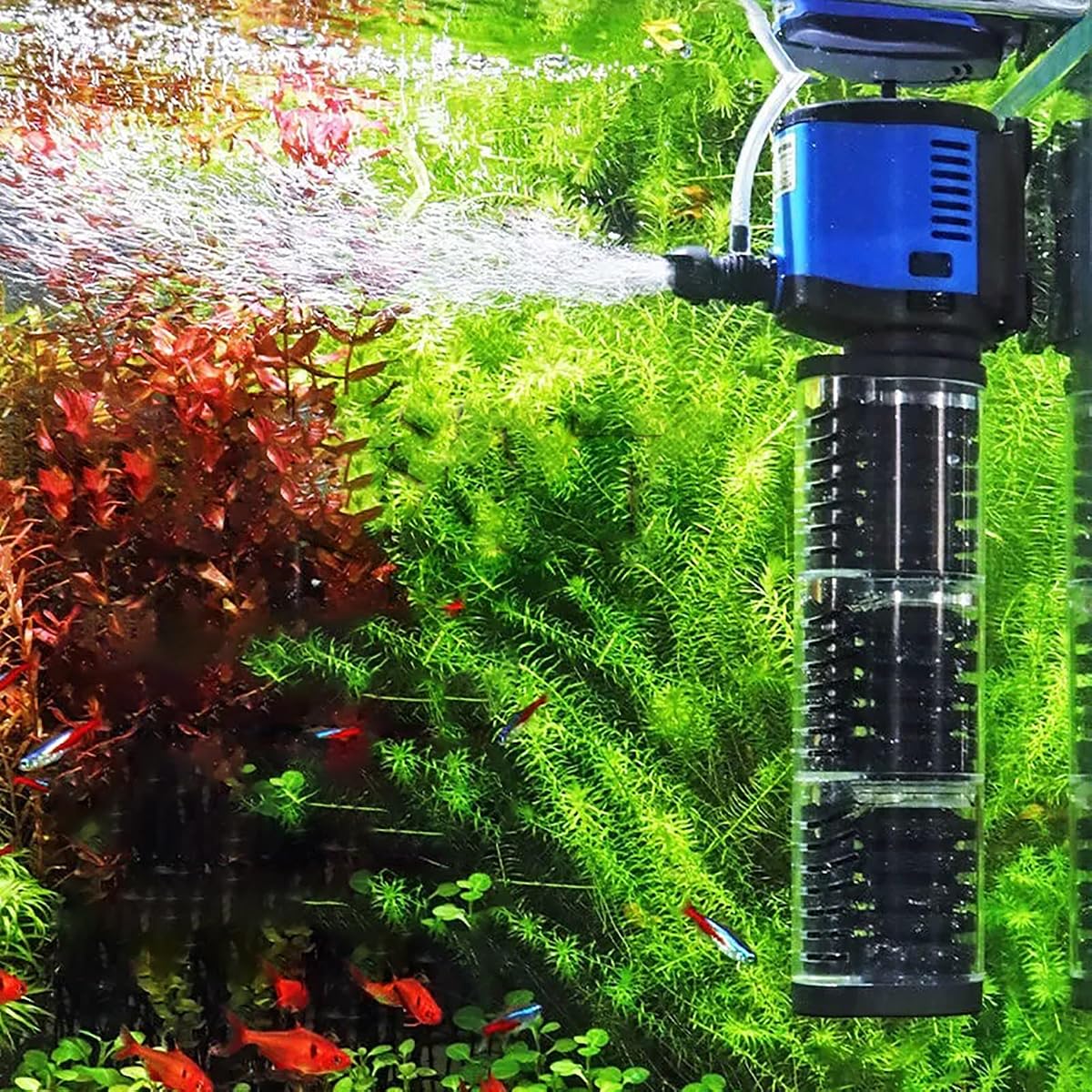
When you have a 75-200 gallon aquarium or a turtle tank, a standard hang-on-back filter often falls short. You need a powerful submersible pump like this 400GPH TARARIUM model that can handle high bioloads, provide strong water circulation, and even serve as a fountain or small pond pump. Key considerations include flow rate adjustability, pump durability in both saltwater and freshwater, and whether the included wave-maker function suits your aquatic life.
Key Considerations Before Buying
- Flow rate vs. tank volume: 400 GPH is appropriate for tanks up to 200 gallons, but for heavy waste producers like turtles, you may want a pump rated for double your tank volume to ensure adequate filtration turnover.
- Submersible vs. external placement: This pump sits inside the tank or pond, which is quieter and easier to hide but takes up interior space. Ensure you have room for the unit and that it won't disturb delicate substrates or small fish.
- Wave-maker function: The wave-maker feature can improve oxygen exchange and mimic natural currents, but it may be too strong for some fish species. Look for adjustable flow or a separate control to dial it down.
What Our Analysts Recommend
Quality indicators for a submersible filter pump include a ceramic shaft for corrosion resistance in saltwater, a pre-filter sponge to prevent debris from clogging the impeller, and a strong suction cup mount that stays secure. Also check for energy efficiency ratings and a warranty that covers both freshwater and saltwater use.
Filters Market Context
Market Overview
The aquarium pump and filter market has seen a rise in all-in-one units that combine circulation, filtration, and wave-making for large tanks. Many affordable brands now offer high GPH ratings, but durability and noise levels vary widely, especially in saltwater environments where corrosion is a concern.
Common Issues
Common problems with submersible pumps include overheating after prolonged use, impeller jamming from debris or hard water buildup, and weak suction cups that fail over time. Some pumps also lack a proper pre-filter, leading to frequent clogging in turtle or pond setups.
Quality Indicators
To identify a quality pump, look for a fully sealed motor housing (IP68 rating is ideal), a replaceable impeller assembly, and positive user feedback on long-term reliability. Verified reviews that mention specific tank sizes and usage scenarios (e.g., 'used in a 150-gallon cichlid tank for 6 months') are strong signals of real-world performance.
Review Authenticity Insights
Grade B Interpretation
With a Review Authenticity Grade of B and an estimated 10% fake review rate, this product has a solid base of genuine feedback but a small minority of potentially incentivized or fabricated reviews. The 4.67 overall rating is slightly inflated; the adjusted rating of 4.40 is more realistic and still very good.
Trust Recommendation
You can generally trust the majority of reviews here, but focus on verified purchase reviews that include specific setup details (e.g., tank size, type of fish, duration of use) rather than short, vague praise. Be cautious of reviews that mention only 'great product' without context, as these may be part of the 10% questionable batch.
Tips for Reading Reviews
For filter pumps, pay attention to reviews that discuss noise levels after a few months, ease of cleaning the impeller, and performance in saltwater versus freshwater. Also look for photos or videos showing the pump in action, as these are harder to fake and provide visual proof of setup.
Expert Perspective
The TARARIUM 400GPH filter pump appears to be a capable and well-rated option for large tanks and turtle habitats, with a strong adjusted rating of 4.40 out of 5. Its dual functionality as a filter and wave-maker adds value for aquarists seeking circulation and aeration, though the 10% fake review rate suggests some caution. The high flow rate and submersible design make it particularly suitable for messy setups like turtle tanks or community cichlid aquariums, but buyers should verify that the pump's dimensions fit their space and that the included accessories match their filtration needs.
Purchase Considerations
Weigh the pump's power against your specific tank inhabitants—delicate fish may prefer a gentler flow, while turtles or goldfish will benefit from the strong current. Also consider that submersible pumps can add heat to the water, so in warm climates or with sensitive species, a separate cooling system may be needed.
Comparing Alternatives
Shoppers should compare this model with other submersible pumps in the 400-500 GPH range, such as those from Hygger or AQQA, to evaluate features like dual outlets, adjustable flow controls, and warranty lengths for saltwater use.


