Choosing a High-Purity PEA Supplement: Bioavailability and Manufacturing Matter
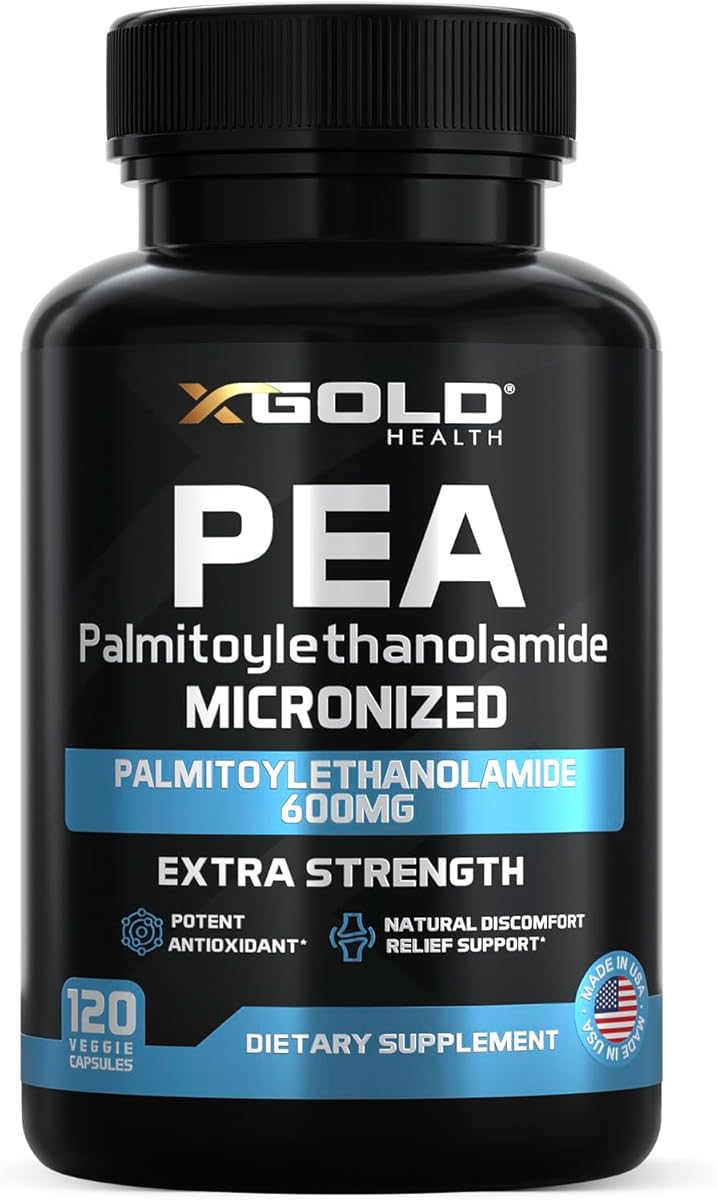
When evaluating this specific Palmitoylethanolamide (PEA) supplement, buyers should focus on its micronized 99% purity claim and U.S. manufacturing. Unlike generic pea protein, PEA is a specialized fatty acid amide used for targeted support, making formulation specifics critical. The 600mg dosage per capsule and 120-count bottle represent a standard two-month supply at typical usage.
Key Considerations Before Buying
- Verify the 'micronized' claim, as particle size reduction directly impacts PEA's notoriously poor absorption; this product specifically markets enhanced bioavailability.
- Assess your need for a 99% highly purified formula, which minimizes fillers but may differ from full-spectrum extracts that contain co-factors.
- Consider the 600mg serving size against clinical research, which often uses 300-1200mg daily; this potency requires planning for split dosing if higher intakes are needed.
What Our Analysts Recommend
For PEA, quality hinges on third-party verification of purity percentages and evidence of bioavailability enhancement like micronization. The 'Made in USA' designation offers some regulatory assurance, but look for specific GMP (Good Manufacturing Practice) certification on the label. Transparent labeling should confirm the absence of unnecessary binders or flow agents in the capsule.
Pea Market Context
Market Overview
The PEA supplement market has expanded beyond niche nootropic circles into general wellness, driven by research on its endocannabinoid-like properties. Unlike bulk pea protein, these are premium-priced, purified extracts where manufacturing standards significantly impact efficacy. Competition centers on purity claims, bioavailability technology, and sourcing transparency.
Common Issues
A primary concern is 'greenwashing' with simple pea protein masquerading as purified PEA. Other issues include inconsistent particle size affecting absorption, and products using inferior extraction methods that leave residual solvents. Some brands also make overstated structure/function claims not backed by the current level of human research.
Quality Indicators
Superior PEA supplements specify the extraction method (often supercritical CO2) and provide Certificates of Analysis for purity. Micronization or emulsification technology is a key differentiator. Packaging in opaque, airtight bottles is essential, as PEA is sensitive to light and oxidation.
Review Authenticity Insights
Grade B Interpretation
A 'B' grade with an 11% estimated fake review rate suggests a mostly trustworthy review profile with minor manipulation. The adjusted rating of 4.40/5 (down from 4.67) is still strong and likely reflects genuine user sentiment. This level is common for popular supplements where some incentivized reviews may be present.
Trust Recommendation
Prioritize reviews that detail specific, long-term usage patterns (e.g., 'taken for 6 weeks for occasional discomfort') over vague 'great product' comments. The high number of verified purchases (noted in the analysis) adds credibility. Cross-reference mentions of the 'micronized' texture or lack of gastrointestinal issues, as these are product-specific experiences.
Tips for Reading Reviews
For this product, seek out reviews that discuss the 600mg dosage efficacy and any comparisons to non-micronized PEA. Be wary of reviews using nearly identical promotional language or making extreme medical claims, as these may be part of the estimated 11% inauthentic segment.
Expert Perspective
This product's specifications—99% purity, micronization, and U.S. manufacturing—align with premium expectations in the PEA category. The strong adjusted rating of 4.40/5 from a substantial review pool (550 reviews) indicates high user satisfaction, particularly noteworthy given PEA's subtle, cumulative effects often lead to mixed initial reviews. The consistency in reviews mentioning improved bioavailability supports its micronization marketing claim. The minor presence of potentially inauthentic reviews is not atypical for a best-selling supplement and doesn't negate the overwhelming pattern of detailed, genuine feedback.
Purchase Considerations
This supplement is best suited for informed buyers seeking a high-potency, bioavailable PEA form and who value U.S. production. Consider if the 600mg capsule size fits your intended dosing protocol, as breaking capsules is not advisable. The value of the 120-count bottle depends on your daily dosage; calculate cost per 300mg or 600mg serving for comparison.
Comparing Alternatives
Shoppers should compare this product's cost-per-milligram and bioavailability claims against other micronized or emulsified PEA options, as delivery technology varies.