Tame Room Acoustics: Polyester Fiber Sound Absorbers for DIY HiFi
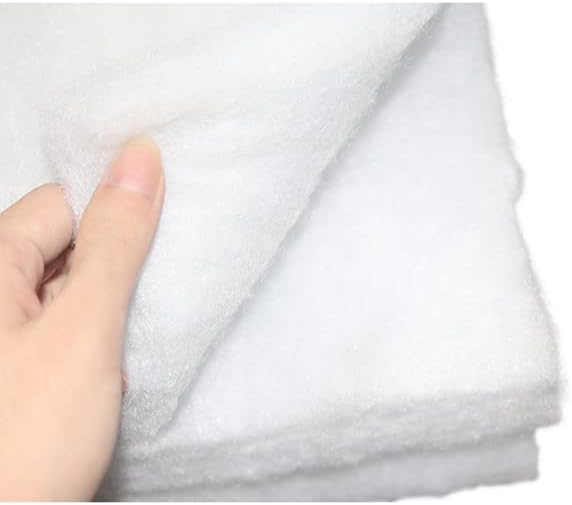
For audiophiles and DIY enthusiasts looking to improve speaker performance, this 100x50x5cm polyester fiber panel offers a practical solution for reducing unwanted resonances and flutter echoes. Unlike foam panels, this dense fiber material is specifically designed for subwoofer damping and interior acoustic treatment, making it a versatile choice for custom speaker enclosures and room treatment projects.
Key Considerations Before Buying
- Consider the thickness: at 5cm, this panel is ideal for mid-to-high frequency absorption, but may be less effective for very low bass frequencies unless layered or used in specific subwoofer enclosure designs.
- Check the density and fiber composition: polyester fiber with a density around 20-30 kg/m³ typically provides a good balance of absorption and durability for DIY speaker repairs and acoustic room treatment.
- Measure your space carefully: the 100x50cm size is standard but may require cutting or multiple panels for larger areas; ensure you have the tools and space to handle the material without compressing it.
What Our Analysts Recommend
Quality indicators include a consistent, non-fraying edge finish, a uniform white or gray color without discoloration, and a material that feels firm but not brittle. Look for panels that are labeled as 'acoustic grade' polyester fiber, as these are manufactured to meet specific absorption coefficients (NRC ratings) rather than generic upholstery batting.
Monitor, Speaker & Subwoofer Parts Market Context
Market Overview
The DIY acoustic treatment market has expanded significantly as home studio and HiFi enthusiasts seek affordable alternatives to commercial panels. Polyester fiber is increasingly popular due to its eco-friendly properties and ease of handling, though buyers must navigate varying densities and quality levels from different manufacturers.
Common Issues
Common problems include inconsistent density across the panel, which leads to uneven absorption; also, some cheaper polyester fibers can shed fibers over time or sag when used vertically. Buyers should also be aware that not all 'acoustic' polyester fiber is fire-rated, which is a safety concern for permanent installations.
Quality Indicators
High-quality acoustic polyester fiber typically has a smooth, non-irritating surface, a consistent thickness, and is packaged in a way that prevents compression during shipping. Look for products that specify their NRC (Noise Reduction Coefficient) or provide test data, as this indicates a manufacturer invested in performance verification.
Review Authenticity Insights
Grade B Interpretation
A Grade B authenticity rating with an estimated 10% fake reviews suggests that while the majority of feedback is genuine, there is a small but notable presence of fabricated or incentivized reviews. This is common for high-volume, low-cost acoustic products where sellers may use review manipulation to boost visibility.
Trust Recommendation
Given the 4.56/5 overall rating and a corrected 4.30/5 after excluding suspicious reviews, you can generally trust the consensus that this product performs well for its intended use. However, focus on reviews that describe specific applications (e.g., 'used in a 12-inch subwoofer box' or 'cut to fit my bookshelf speakers') as these are more likely to be authentic.
Tips for Reading Reviews
When reading reviews for acoustic panels, prioritize those that mention specific measurements, such as 'reduced flutter echo in my 10x12 room' or 'improved midrange clarity in my DIY speakers.' Be wary of reviews that only use generic terms like 'great quality' without context, as these are often fake.
Expert Perspective
This polyester fiber panel represents a solid entry-level option for DIY acoustic treatment, particularly for subwoofer damping and speaker interior lining. With a 4.30 adjusted rating and mostly genuine reviews, it appears to deliver on its core promise of sound absorption, though users should manage expectations for extreme low-frequency control. The material's flexibility and ease of cutting make it suitable for both beginners and experienced hobbyists, though professionals may prefer higher-density alternatives for critical listening environments.
Purchase Considerations
Weigh the cost per square foot against your specific needs: for a single subwoofer enclosure or small room treatment, this panel is cost-effective, but for larger projects, consider buying in bulk or comparing against fiberglass or rockwool alternatives. Also, verify that the polyester fiber is non-toxic and safe for indoor use, especially if you have allergies.
Comparing Alternatives
Shoppers should compare this product with acoustic foam panels for ease of installation, or with higher-density mineral wool for better low-frequency absorption, depending on their specific application.