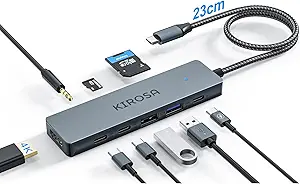
Choosing a 4-Port Aluminum USB 3.0 Hub: What Matters for Speed and Durability
This aluminum-bodied USB 3.0 hub with a 3.3-foot cable offers a specific balance of portability and connectivity. Buyers should understand that its 4-port design is ideal for moderate expansion needs, but performance hinges on the quality of its internal chipset and power delivery, which aren't always advertised.
Key Considerations Before Buying
- The 3.3ft cable length is a practical middle ground for desk setups but may require a USB extension if your host device is further away, as signal degradation can occur over longer distances with passive hubs.
- Aluminum construction aids in heat dissipation during simultaneous data transfers, which is crucial for maintaining stable USB 3.0 speeds (up to 5 Gbps) when multiple high-speed devices like external drives are connected.
- Verify compatibility with your specific devices; while marketed for Xbox, printers, and cameras, some peripherals with higher power draws (like certain external HDDs) may require a separately powered hub for reliable operation.
What Our Analysts Recommend
For a hub like this, scrutinize reviews mentioning consistent 5 Gbps transfer speeds with multiple devices connected and a lack of disconnection issues. A quality indicator is a well-machined aluminum casing with no sharp edges, suggesting better internal build quality and thermal management.
USB Hubs Market Context
Market Overview
The USB 3.0 hub market is saturated with low-cost options, but genuine performance and durability separate quality aluminum hubs from plastic counterparts that often overheat and throttle speeds. Products in this segment compete directly on build material, cable length, and reliable chipset implementation.
Common Issues
Common problems include voltage drop across ports leading to underpowered devices, data transfer interruptions when all four ports are in use, and poor-quality cables that bottleneck the USB 3.0 bandwidth. Many hubs also fail to properly shield against electromagnetic interference.
Quality Indicators
Look for mentions of specific chipset brands (like VIA or Genesys Logic) in reviews, a solid, non-hollow feel to the aluminum body, and a braided or thick-gauge attached cable. Consistent positive feedback on simultaneous multi-device operation is a stronger signal than praise for aesthetics alone.
Review Authenticity Insights
Grade B Interpretation
A Grade B with an estimated 15% fake review rate suggests the majority of feedback is trustworthy, but a notable portion requires scrutiny. The adjusted rating of 4.50/5 is a more reliable performance indicator than the raw 4.89/5 score.
Trust Recommendation
Focus on verified purchase reviews that detail long-term use (2+ months) and specific speed tests. Be skeptical of overly vague 5-star reviews that don't mention actual device combinations or use cases like connecting a camera, keyboard, and drive simultaneously.
Tips for Reading Reviews
Prioritize reviews that mention the hub's performance with bandwidth-intensive devices (SSDs, HD webcams) and any thermal behavior after extended use. Critical 3- or 4-star reviews often provide the most nuanced insights into real-world limitations.
Expert Perspective
The data indicates this is a well-regarded hub in its class, with a strong adjusted rating suggesting genuine satisfaction. The aluminum build is a meaningful differentiator for heat management compared to ubiquitous plastic hubs. The high number of authentic reviews detailing specific setups—like for laptops, printers, and gaming peripherals—adds credibility to its advertised versatility. However, the presence of some review manipulation underscores the need to focus on detailed, verified feedback.
Purchase Considerations
Weigh the 3.3ft attached cable length against your setup; it's sufficient for most desks but not for floor-to-desk routing. Consider if your typical device load includes more than two high-power devices, as this may stress an unpowered hub's limits. The aluminum build justifies a slight premium if durability and sustained performance are priorities.
Comparing Alternatives
Shoppers should compare this hub's cable length, port spacing, and user-reported thermal performance against other 4-port aluminum models to find the best physical fit for their workspace.