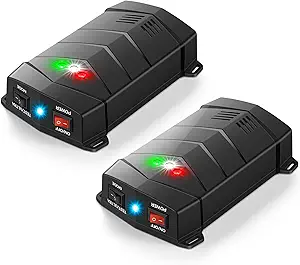
Evaluating Six-Pack Ultrasonic Repellers: What Works for Multi-Pest Control
This six-pack ultrasonic repeller system claims to address nine different pests with three operational modes, making it a comprehensive solution for homeowners. Buyers should understand that ultrasonic technology effectiveness varies significantly by pest type and home environment, with the 'upgraded' designation referring to its multi-mode switching capability rather than proven scientific advancement.
Key Considerations Before Buying
- The three-mode switching (likely varying frequency patterns) may help prevent pest habituation, but requires strategic placement in different rooms based on pest behavior.
- Six units provide coverage for approximately 3,000-4,500 square feet depending on layout, but effectiveness diminishes through walls and furniture.
- Claims targeting both insects (roaches, ants, spiders) and rodents (mice) simultaneously are ambitious, as these pests respond differently to ultrasonic frequencies.
What Our Analysts Recommend
Quality ultrasonic repellers should specify frequency ranges (typically 25-65 kHz for rodents, higher for insects) rather than vague 'ultrasonic' claims. The best units provide clear coverage area calculations and acknowledge limitations, particularly regarding established infestations versus prevention.
Ultrasonic Repellers Market Context
Market Overview
The ultrasonic pest repeller market is crowded with products making similar claims, creating confusion about what actually works versus marketing hype. Recent consumer trends show increased interest in chemical-free solutions, driving demand despite mixed scientific evidence about effectiveness.
Common Issues
Most complaints center on unrealistic expectations—consumers expect immediate elimination of existing infestations rather than gradual prevention. Other issues include inconsistent performance across different home materials and failure to account for pest adaptation to constant frequencies.
Quality Indicators
Look for products that transparently discuss their limitations, provide specific frequency information, and offer realistic coverage estimates. Higher-quality units often include multiple emitter types or frequency modulation to address different pests more effectively.
Review Authenticity Insights
Grade B Interpretation
A Grade B authenticity rating with 15% estimated fake reviews indicates generally reliable feedback but suggests some review manipulation. The 0.3-point drop from the displayed 4.00 to adjusted 3.70 rating reflects this manipulation, meaning actual satisfaction is moderately lower than initially appears.
Trust Recommendation
Focus on reviews that discuss specific pest situations (e.g., 'reduced spider sightings in basement' rather than 'works great') and mention timeframes for results. Be skeptical of reviews claiming miraculous overnight success with established infestations.
Tips for Reading Reviews
Prioritize reviews that mention using multiple units strategically, discuss placement considerations, or compare effectiveness against different pest types. Look for patterns in negative reviews about particular pests the device failed to address.
Expert Perspective
This six-pack system's 3.70 adjusted rating suggests it delivers moderate satisfaction for prevention purposes but likely struggles with active infestations. The three-mode switching feature represents a practical attempt to address pest habituation, a common limitation in single-frequency units. The value proposition lies in the multi-room coverage rather than technological superiority, making it suitable for homeowners seeking supplemental prevention across their entire living space rather than targeted elimination.
Purchase Considerations
Consider whether you need prevention across six distinct areas and if your pest issues align with the device's claimed targets. The unit's effectiveness will depend heavily on proper placement—avoiding obstruction by furniture and considering room layouts. This product works best as part of an integrated pest management approach rather than a standalone solution.
Comparing Alternatives
Compare this six-pack's cost-per-unit against individual higher-power repellers and consider whether modular placement flexibility outweighs potential power limitations.