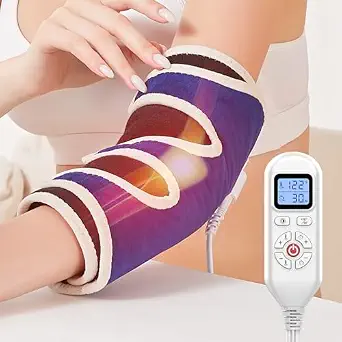
Hip Heating Pad Buying Guide: Fit, Heat Settings, and Safety
A hip heating pad like the Comfytemp Hip Brace is designed to wrap around the hip and upper thigh, delivering targeted heat for sciatica, arthritis, or post-injury soreness. Unlike flat heating pads, these wearable devices must balance secure fit, even heat distribution, and cord-free convenience.
Key Considerations Before Buying
- Size and adjustability: The Comfytemp comes in S/M, so check hip circumference to ensure a snug but not tight fit—too loose and heat won't penetrate, too tight and it restricts movement.
- Heat settings and auto-off: Look for multiple temperature levels (typically 3–6) and an auto-shutoff feature (often 90 minutes) to prevent burns during extended use, especially if you have reduced skin sensitivity.
- Power source and portability: This model is electric, meaning it must be plugged in; if you need mobility, consider a rechargeable option, but corded pads often provide more consistent heat.
What Our Analysts Recommend
Prioritize pads with a soft, breathable fabric and a contoured shape that stays put without constant readjustment. Check for machine-washable covers (after removing electronics) and a controller with clear, easy-to-use buttons. Certifications like UL or ETL indicate the product has passed safety tests.
Heating Pads Market Context
Market Overview
The heating pad market has grown beyond basic rectangular pads to include wearable, body-specific designs like hip braces, knee wraps, and neck collars. This segment caters to consumers seeking drug-free pain relief for specific conditions, often driven by aging populations and active lifestyles.
Common Issues
Common complaints include uneven heating (hot spots), poor fit that causes slipping, and durability issues with cords or controllers. Some users also report that the heat doesn't penetrate deeply enough for severe pain, or that the pad is bulky under clothing.
Quality Indicators
Quality hip heating pads use even-heating wire elements, have a robust controller with intuitive settings, and offer a generous return policy. Look for reviews that mention long-term reliability (6+ months) and customer service responsiveness.
Review Authenticity Insights
Grade A Interpretation
An authenticity grade of A with an estimated 8% fake reviews means the vast majority of the 1,715 ratings are genuine. This is a strong signal that the 4.44-star average (adjusted to 4.30) reflects real user experiences, not manipulated feedback.
Trust Recommendation
You can trust the overall rating, but still skim recent reviews for patterns—like repeated mentions of a weak controller or sizing issues. The 8% fake rate is low, so the consensus is reliable.
Tips for Reading Reviews
Focus on reviews that describe specific medical conditions (e.g., sciatica, bursitis) and how the pad performed over time. Look for balanced feedback that mentions both pros and cons, as these are more likely to be authentic.
Expert Perspective
The Comfytemp Hip Heating Pad stands out for its targeted design and FSA eligibility, making it a practical choice for those with chronic hip pain. With a solid 4.30 adjusted rating from over 1,700 reviews, it has proven reliable for many users. However, the S/M size may not fit all body types, and being corded limits mobility. The high authenticity grade suggests the positive reviews are trustworthy.
Purchase Considerations
Weigh the need for portability against the consistent heat of a plug-in model. If you have limited dexterity, check the controller's ease of use. Also, confirm the return policy in case the fit isn't right.
Comparing Alternatives
Compare with other hip heating pads that offer larger sizes or rechargeable batteries, especially if you need to move around while using it.