
Choosing a Monk Fruit-Allulose Blend: What Keto and Vegan Bakers Need to Know
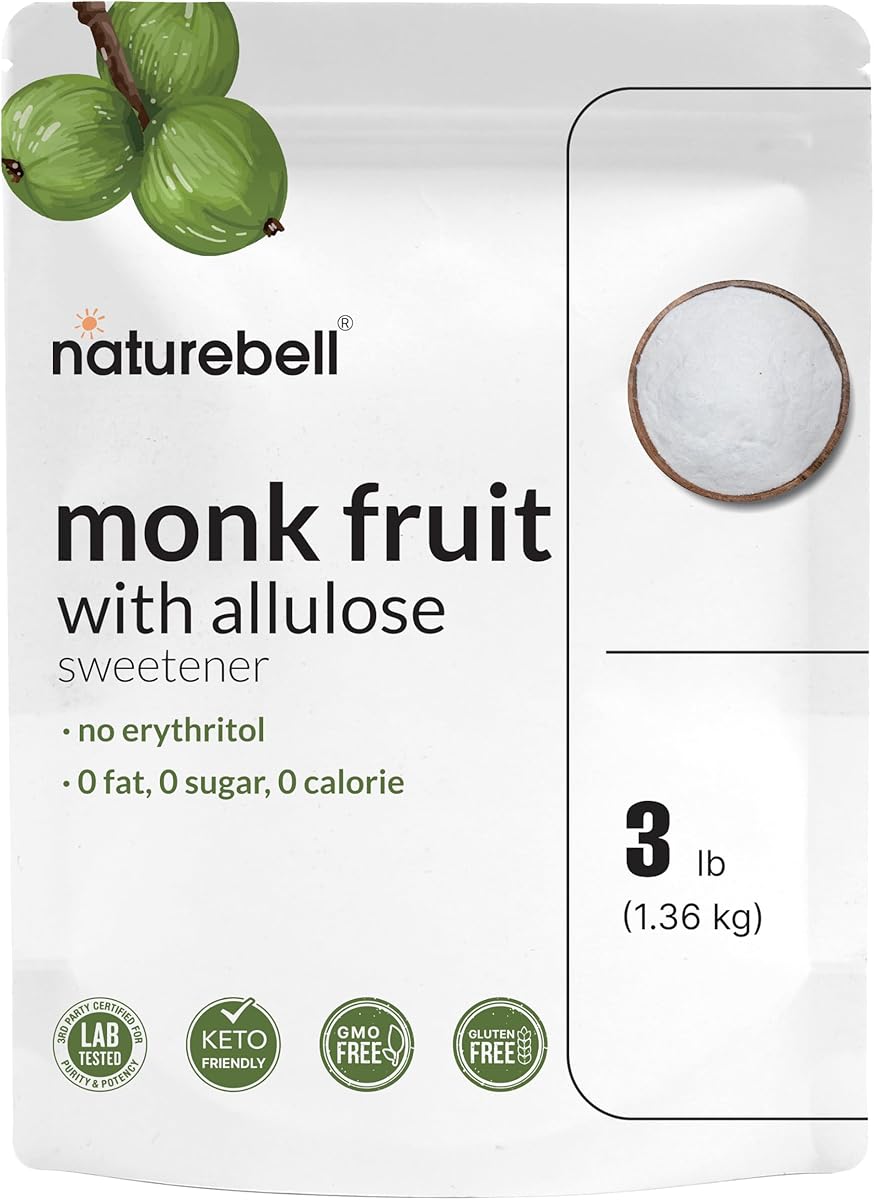
This specific 3-pound monk fruit and allulose sweetener represents a newer formulation trend in sugar alternatives, deliberately excluding erythritol while maintaining a 1:1 sugar substitution ratio. Buyers should understand how this particular blend of monk fruit extract and allulose differs from other sweeteners in both performance and digestive impact.
Key Considerations Before Buying
- The absence of erythritol addresses common complaints about cooling aftertaste and digestive discomfort, but may affect the product's behavior in recipes that rely on erythritol for crystallization.
- A 1:1 substitution ratio with sugar is ideal for baking, but verify this product's performance in your specific applications, as allulose can brown faster than sugar at high temperatures.
- The 3-pound bulk format offers value for frequent users, but consider storage requirements since some allulose blends can clump in humid environments.
What Our Analysts Recommend
Quality monk fruit-allulose blends should dissolve completely in both hot and cold liquids without grittiness. Check reviews specifically for mentions of texture in baked goods and whether the '0 aftertaste' claim holds true in coffee or tea, where off-flavors are most noticeable.
Market Context
Market Overview
The natural sweetener market has shifted toward erythritol-free formulations following consumer reports of gastrointestinal side effects, making this product part of a growing niche. Monk fruit and allulose combinations are gaining popularity specifically among keto and low-carb consumers who prioritize clean taste profiles.
Common Issues
Many sugar substitutes fail to replicate sugar's caramelization and browning properties in baking, and some leave metallic or bitter aftertastes, particularly in acidic beverages. Texture issues like grittiness or failure to cream with fats are frequent complaints across the category.
Quality Indicators
Superior products demonstrate consistent granulation similar to table sugar, no clumping straight from the package, and verified 0-net-carb testing. Packaging should include clear usage guidelines addressing allulose's unique properties, like its reduced freezing point in ice creams.
Review Authenticity Insights
Grade B Interpretation
A Grade B authenticity rating with 15% estimated fake reviews suggests generally reliable feedback but warrants careful review scrutiny. The adjusted rating of 3.90/5 (down from 4.22) indicates some authentic reviews are less positive than the overall average suggests.
Trust Recommendation
Focus on verified purchase reviews that detail specific use cases like baking cookies or sweetening yogurt, as these provide more actionable insights than generic praise. Be particularly skeptical of reviews that don't mention texture, aftertaste, or performance in actual applications.
Tips for Reading Reviews
Prioritize reviews that compare this specific erythritol-free formulation to other sweeteners they've tried, especially noting differences in digestive tolerance. Look for detailed baking experiences that mention browning, rise, and moisture retention in finished goods.
Expert Perspective
This product's formulation addresses two major pain points in alternative sweeteners: erythritol's cooling effect and digestive issues. The 3.90 adjusted rating from authentic reviews suggests it performs well for most but has noticeable drawbacks for some users, likely related to allulose's distinct properties in certain applications. The bulk 3-pound format indicates it's targeted at serious home bakers or families committed to sugar-free living rather than casual users.
Purchase Considerations
Weigh whether your primary use cases align with this blend's strengths—beverages and baking where browning is desirable—versus applications where allulose's moisture retention might be problematic. Consider starting with a smaller quantity if you're new to allulose, as some individuals experience different digestive responses than to erythritol.
Comparing Alternatives
Shoppers should compare this specific monk fruit-allulose ratio against other erythritol-free options, particularly regarding price per ounce and performance in their most frequent recipes.