
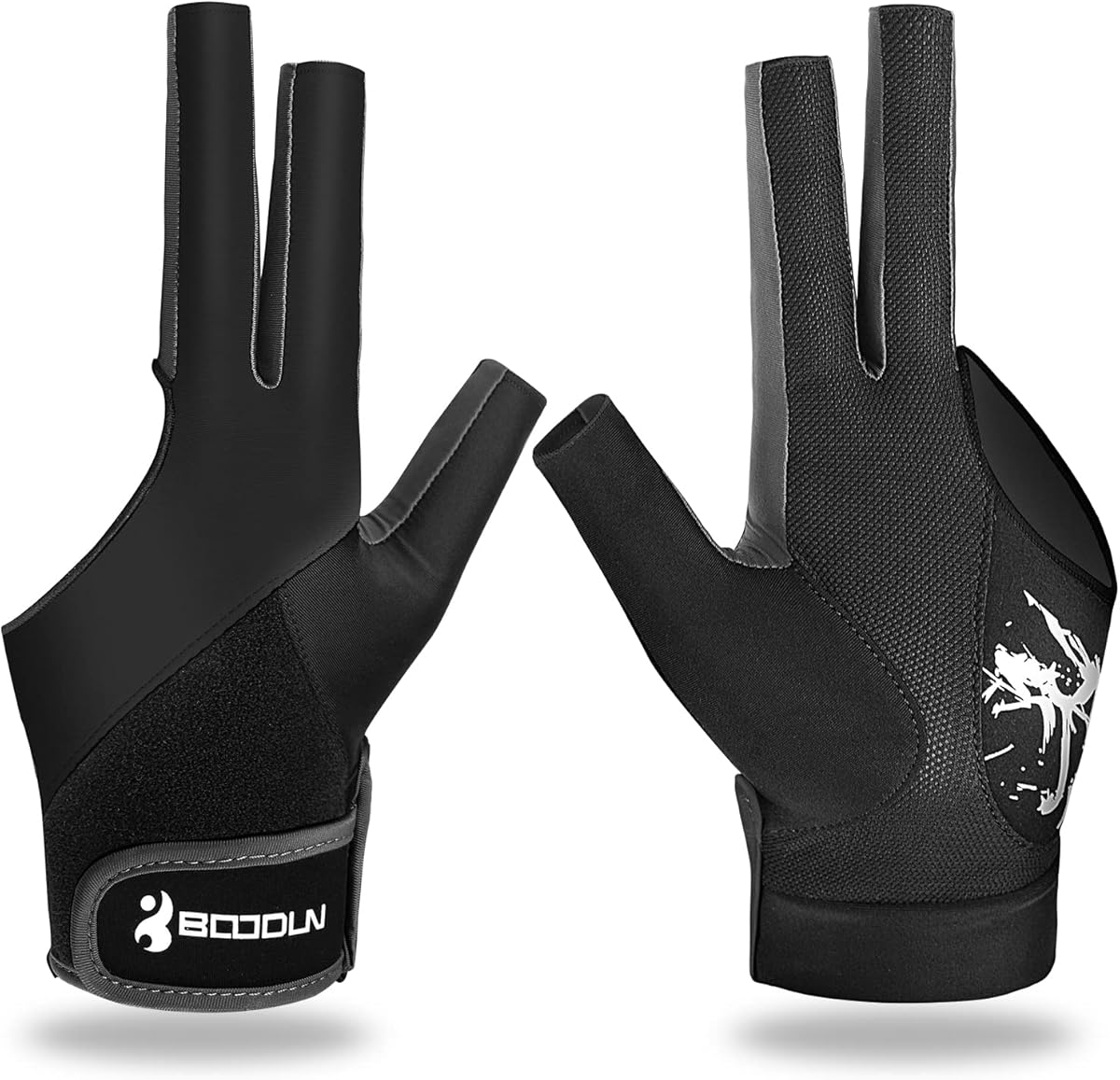
Choosing a Left-Handed 3-Finger Billiard Glove: Fit, Fabric, and Feel Matter Most
For left-handed players, the YFY 3-finger glove offers a specialized solution that addresses the unique friction points between bridge hand and cue. Unlike full-fingered alternatives, this design specifically targets the thumb, index, and middle finger—the primary contact points in a standard bridge—while leaving the ring and pinky free for comfort and ventilation. The 'splicing process' mentioned in the title typically refers to how the fabric panels are joined, which can significantly affect seam placement and durability where the glove experiences the most wear.
Key Considerations Before Buying
- The 3-finger design is not just a style choice; it reduces material on the non-essential ring and pinky fingers, which can decrease bunching and improve overall hand feel during long playing sessions.
- Left-handed specificity is crucial—using a right-handed glove on your bridge hand will place seams and stitching in the wrong pressure points, leading to premature wear and inconsistent cue glide.
- Sizing is particularly important with a partial-finger design; a poor fit on the three covered fingers will compromise the primary benefit of reduced friction, while a loose fit on the exposed fingers is irrelevant.
What Our Analysts Recommend
Examine the stitching along the inner seams of the thumb, index, and middle finger, as these areas bear the brunt of cue friction. A quality glove will use flat-lock or bonded seams here to prevent raised edges that can catch on the cue. The fabric should be a thin, technical blend (often nylon/spandex) that provides slickness without sacrificing tactile feedback through the material.
Gloves Market Context
Market Overview
The billiard glove market has evolved from generic, full-fingered designs to specialized options like fingerless, 3-finger, and even single-finger models, catering to different player preferences for feel versus coverage. Left-handed models, like this YFY glove, represent a smaller but essential niche, as using an ambidextrous or wrong-handed glove fundamentally undermines its purpose.
Common Issues
Common failures include seams splitting at the stress points between fingers, elastic cuffs losing tension quickly, and the slick coating on the fabric wearing off after repeated washing, turning a smooth-gliding glove into a sticky one. Many cheaper gloves also use excess material that bunches in the palm, creating an inconsistent bridge.
Quality Indicators
Look for gloves that specify the construction method (like 'splicing' or 'seamless knitting') and the fabric composition. A higher spandex/elastane percentage (often 15-25%) indicates better stretch recovery and fit retention. Reinforced stitching at the finger crotches and a well-finished cuff are hallmarks of a more durable product.
Review Authenticity Insights
Grade B Interpretation
A 'B' grade with an 11% estimated fake review rate suggests the vast majority of feedback is genuine, but shoppers should be aware that a small portion of reviews may be inauthentically positive. The adjusted rating of 4.40/5 (down from 4.67) is a more reliable indicator of real customer satisfaction, still reflecting a well-regarded product.
Trust Recommendation
Focus on reviews that mention specific, long-term performance aspects like 'durability after 6 months,' 'how the splicing feels,' or 'fit for my larger knuckles.' The high number of verified purchases (implied by the analysis) adds credibility, so prioritize those reviews when assessing fit and feel comments.
Tips for Reading Reviews
For this product, pay special attention to reviews from other left-handed players discussing the accuracy of the sizing chart and the longevity of the slick coating. Be skeptical of reviews that only use vague superlatives without describing actual use in play or comparing it to other glove types they've tried.
Expert Perspective
The YFY glove's strong adjusted rating of 4.40/5, derived from a large sample of predominantly authentic reviews, indicates it successfully meets a specific need for left-handed players seeking a minimal 3-finger design. The emphasis on a 'splicing process' in the title suggests the manufacturer is highlighting construction as a key differentiator, which aligns with player concerns about seam durability. The high rating in a niche category often points to a product that gets the fundamentals—fit for its intended hand, appropriate material slickness, and sensible design—correct.
Purchase Considerations
Left-handed players who prefer a minimal feel and struggle with sweat or stickiness on their bridge fingers are the ideal candidates. Consider if you value maximum finger freedom over complete coverage, and whether your playing style involves a lot of shaft contact with the ring finger, which this glove leaves exposed. The sizing is critical; measure the circumference of your thumb, index, and middle fingers as the chart directs.
Comparing Alternatives
Shoppers should compare this 3-finger design with full-fingered and 5-finger gloves from brands like Kamui or Molinari to decide on their preferred level of coverage and tactile connection.


