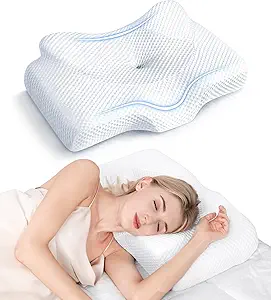
Choosing an orthopedic cervical pillow requires matching design to your sleep position and pain points
The Osteo Cervical Pillow's hollow center design specifically targets cervical spine alignment, which differs from solid-core orthopedic pillows. This adjustable memory foam construction with cooling case addresses both support and temperature regulation concerns common in therapeutic sleep products. Buyers should understand that proper cervical pillow selection depends on shoulder width, preferred sleep position, and specific neck pain patterns.
Key Considerations Before Buying
- The hollow center design creates a cradle effect for the head while allowing the neck to rest on the raised edges—ideal for maintaining cervical curvature but may require adjustment for side sleepers with broader shoulders.
- Odorless memory foam indicates higher-density material that retains shape longer than standard polyurethane foam, crucial for consistent orthopedic support through the night.
- The cooling gel-infused case addresses memory foam's heat retention issues, but effectiveness depends on individual thermoregulation and bedroom temperature conditions.
What Our Analysts Recommend
Quality cervical pillows demonstrate precise contour measurements: the center hollow should be 4-5 inches wide to accommodate head settling without collapsing. Check for dual-layer foam construction where a firmer base supports a softer top layer—this Osteo pillow uses single-density memory foam. Authentic orthopedic pillows typically include height specifications (this model offers adjustable loft) and clearly indicate whether they're certified by organizations like CertiPUR-US for material safety.
Specialty Medical Pillows Market Context
Market Overview
The specialty medical pillow market has expanded beyond basic cervical rolls to include multi-position designs like this Osteo pillow, with growing emphasis on cooling technology and adjustable components. Premium models now compete on material certifications and sleep trial periods rather than just basic orthopedic claims.
Common Issues
Many cervical pillows fail to accommodate shoulder width variations in side sleepers, creating neck angulation problems. Off-gassing odors plague lower-quality memory foam, while inadequate breathability causes heat buildup that disrupts sleep despite proper spinal alignment.
Quality Indicators
Superior cervical pillows specify foam density (typically 4-5lb for therapeutic use), include removable/washable covers with cooling properties, and provide clear height measurements for different sleep positions. Look for tapered edge designs that prevent the 'head roll-off' common with rectangular orthopedic pillows.
Review Authenticity Insights
Grade B Interpretation
A Grade B authenticity rating with 11% estimated fake reviews indicates generally reliable feedback, though approximately 1 in 9 reviews may be inauthentic. This suggests the 4.67 average rating slightly overstates satisfaction, with the adjusted 4.40 rating being more representative of genuine experiences.
Trust Recommendation
Focus on verified purchase reviews discussing specific adjustment periods (typically 2-3 weeks for cervical pillows) and positional details. Be skeptical of reviews claiming 'instant pain relief' without mentioning previous pillow types or sleep habits, as cervical support requires gradual adaptation.
Tips for Reading Reviews
Prioritize reviews mentioning shoulder width, specific pain conditions (like cervical radiculopathy versus general stiffness), and mattress firmness combinations. Look for detailed comments about the hollow center's functionality—genuine users typically describe how their head settles into the depression versus perching on the edges.
Expert Perspective
The Osteo pillow's strong adjusted rating of 4.40 suggests genuine effectiveness for its target users, particularly back sleepers and combination sleepers needing cervical curvature maintenance. The hollow design represents a specific orthopedic approach that works well for average-to-narrow shoulder widths but may require supplemental support for broader-framed side sleepers. The cooling case addresses a legitimate memory foam drawback, though individual heat sensitivity will determine its effectiveness. The 19,457-review volume provides substantial data on durability and long-term shape retention concerns.
Purchase Considerations
Weigh your dominant sleep position against this pillow's design: back sleepers benefit most from the cervical curve support, while strict side sleepers may need additional loft adjustment. Consider whether you prefer firm, defined support (this pillow's single-density foam) versus progressive sink (dual-layer designs). The odorless claim suggests reduced chemical off-gassing, important for sensitive individuals.
Comparing Alternatives
Compare this hollow-center design with solid-core cervical pillows and wedge-style options, as different cervical conditions respond better to distinct support mechanisms.