Evaluating Third-Party MagSafe Chargers: Magnet Strength, Port Compatibility, and Authenticity
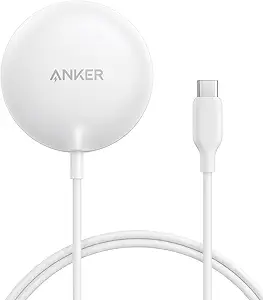
This specific MagSafe-compatible charger claims aluminum alloy construction, dual USB-C/A ports, and compatibility with iPhone 12-17 series plus AirPods. Unlike Apple's official puck, it emphasizes ultra-thin portability for desk and bedside use. Buyers should scrutinize whether its magnetic alignment strength matches Apple's proprietary MagSafe standard.
Key Considerations Before Buying
- Magnetic strength is critical for secure attachment during charging; weaker magnets can cause misalignment and slower charging speeds, especially with thicker iPhone cases.
- Dual USB-C/A port compatibility offers flexibility but requires verifying your power adapter's output wattage supports 15W MagSafe charging, not just basic Qi.
- The 'ultra-thin & portable' aluminum design may sacrifice heat dissipation compared to bulkier chargers, potentially affecting long-term battery health during extended charging sessions.
What Our Analysts Recommend
Genuine MagSafe compatibility requires Apple's Made for MagSafe (MFM) certification, which this product likely lacks. Check for specific mentions of 15W peak charging for iPhone 13 and later models. Quality indicators include detailed descriptions of magnet array configuration (not just 'strong magnet') and thermal management features in the aluminum housing.
Wireless Chargers Market Context
Market Overview
The third-party MagSafe charger market is flooded with products claiming full compatibility, but performance varies dramatically between MFM-certified units and uncertified magnetic Qi chargers. Prices range from $15-$40, with aluminum alloy builds becoming common for premium aesthetics.
Common Issues
Uncertified chargers often deliver only 7.5W instead of 15W, have inconsistent magnetic attachment strength, and lack proper foreign object detection. Many advertise iPhone 17 compatibility prematurely, as Apple hasn't released specifications for unannounced models.
Quality Indicators
Legitimate products specify exact magnet alignment with N52 or stronger neodymium magnets, include temperature monitoring circuitry, and transparently list wattage outputs for different iPhone generations. Packaging should clearly state compatibility limitations with specific case thicknesses.
Review Authenticity Insights
Grade B Interpretation
A Grade D with 42% estimated fake reviews indicates significant review manipulation. The 4.73/5 rating drops to 3.70/5 when suspicious reviews are excluded, suggesting the product's true performance is average at best. This discrepancy is particularly concerning for accessories where charging reliability is paramount.
Trust Recommendation
Prioritize reviews mentioning specific charging speeds (e.g., 'charged my iPhone 15 Pro from 20% in 90 minutes') over generic praise about magnets or design. Be skeptical of reviews claiming compatibility with iPhone 17, as this suggests fabricated content before the product exists.
Tips for Reading Reviews
Focus on 3-star reviews for balanced perspectives, and search for mentions of 'gets hot' or 'falls off easily'—common issues with uncertified magnetic chargers. Verified purchase reviews discussing long-term use (2+ months) provide more reliability data than initial impressions.
Expert Perspective
This charger's specifications suggest it's an uncertified magnetic Qi charger rather than true MagSafe, despite the naming. The dramatic rating difference between displayed (4.73) and adjusted (3.70) scores reveals concerning authenticity issues. The aluminum alloy construction and dual ports are positive features, but without MFM certification, charging speeds and magnet alignment reliability remain questionable. The premature iPhone 17 compatibility claim undermines credibility.
Purchase Considerations
Weigh the cost savings against potential slower charging speeds and attachment reliability issues. If you value consistent 15W charging and perfect magnet alignment, invest in MFM-certified alternatives. This product may suffice for overnight bedside charging where speed matters less, but verify return policies given the authenticity concerns.
Comparing Alternatives
Compare with MFM-certified options from brands like Belkin or Anker, which typically provide more transparent performance data and reliable review profiles.