How to Choose a Carpenter Bee Trap That Actually Works and Lasts
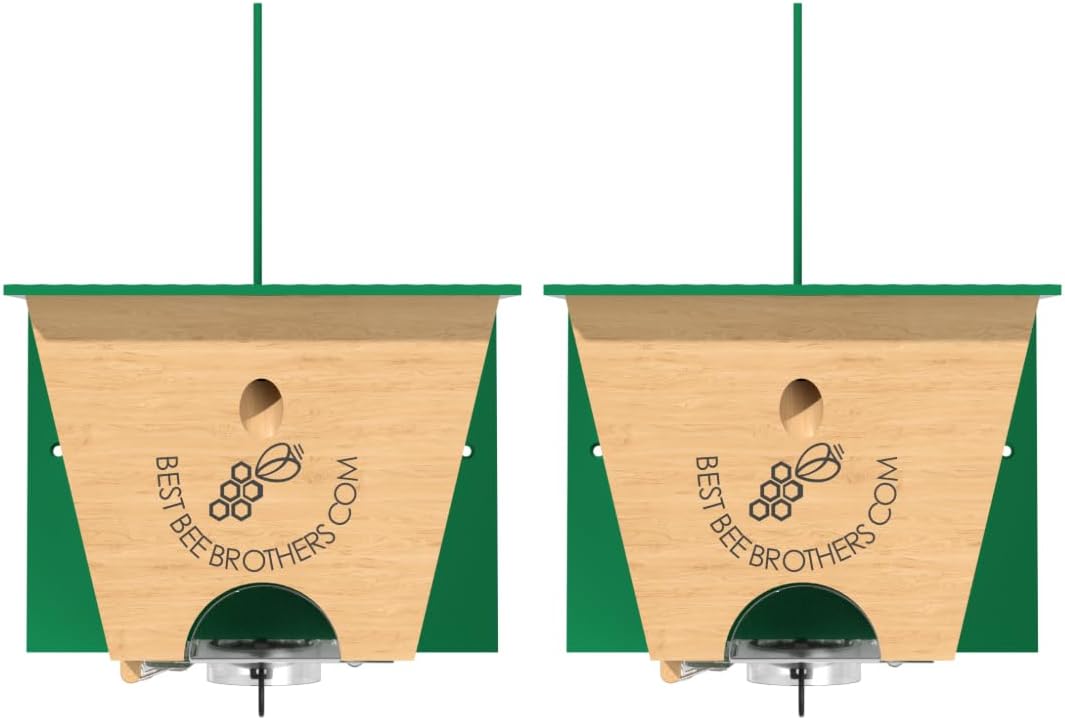
When selecting a carpenter bee trap like the Best Bee Brothers Turbo Trap 2.0, focus on three critical features: the entry mechanism's effectiveness, the durability of construction against weather, and the ease of monitoring and emptying. This specific model's spring-loaded door and large viewport directly address common frustrations with simpler designs.
Key Considerations Before Buying
- Entry and Containment Design: Look for a system that lures bees in but prevents escape; the Turbo Trap 2.0's angled tunnels and one-way 'bee vault' are engineered for this purpose.
- Durability and Weatherproofing: Since traps hang outdoors seasonally, UV-resistant, solid wood or thick plastic construction is essential to prevent warping or fading.
- Maintenance and Monitoring: A trap you can't easily check or empty becomes a liability. Features like a clear viewport and a simple, clean-out door are non-negotiable for long-term use.
What Our Analysts Recommend
High-quality traps use specific wood types (like pine) and precise hole diameters (typically 1/2 inch) that carpenter bees naturally investigate. Avoid flimsy, thin plastic or designs with overly complex assembly; the best traps are straightforward in setup and leverage the insect's natural nesting behavior against it.
Traps Market Context
Market Overview
The carpenter bee trap market is saturated with inexpensive, often ineffective plastic bottle or rudimentary wooden box designs. However, a growing segment focuses on 'professional-grade' traps featuring refined lure systems and durable builds, aiming for multi-season use rather than disposable solutions.
Common Issues
Shoppers frequently report traps that fail to attract bees, are difficult to mount securely, or become brittle and crack after one season. Poor sealing can also allow captured bees to escape or let in rainwater, creating a mess.
Quality Indicators
Genuine quality is shown in the details: smooth, sanded entry holes that mimic bee-made tunnels, sturdy hanging hardware, and design elements that minimize bee escape during emptying. A heftier weight often indicates better material density and construction.
Review Authenticity Insights
Grade B Interpretation
A 'B' grade with an 11% estimated fake review rate suggests the majority of feedback is trustworthy, but a modest portion of reviews may be inauthentically positive. The adjusted rating of 4.40/5, down from 4.67/5, is a more reliable indicator of real-world performance.
Trust Recommendation
Prioritize verified purchase reviews that discuss multi-season use or compare the trap to previous models or competitors. Be slightly skeptical of overly vague 5-star reviews that lack specific details about bee capture counts or durability over months.
Tips for Reading Reviews
For this product, seek out reviews that mention the effectiveness of the spring-loaded door for containment, the clarity of the viewport, and how the trap holds up in direct sun and rain. Reviews discussing placement (e.g., 'under eaves,' 'facing south') offer valuable practical insights.
Expert Perspective
The Turbo Trap 2.0's design addresses key flaws in first-generation traps with its integrated vault and viewing window, which are significant functional upgrades. The strong adjusted rating of 4.4/5 from verified purchasers indicates it reliably performs its core function. The two-pack offering is practical, as placement of multiple traps is often necessary for effective perimeter control.
Purchase Considerations
Weigh the higher upfront cost against the promise of durability and the convenience features like the easy-clean door. This trap is best for those with recurring, noticeable carpenter bee damage who want a set-and-forget solution, not for those with a minor, first-time infestation seeking the absolute cheapest option.
Comparing Alternatives
Shoppers should compare the trap's dimensions and mounting system against similar 'professional' traps to ensure it fits their intended installation spots.