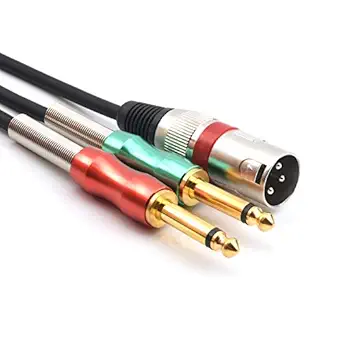
TRS Instrument Cables: Balancing Durability, Noise Rejection, and Length
When choosing a 1/4-inch TRS cable like the J&D 3-foot model, you're not just buying wire—you're investing in signal integrity for your instrument or audio gear. This cable features gold-plated connectors and a copper shell, but understanding how these specs translate to real-world performance is key.
Key Considerations Before Buying
- Cable length directly affects signal strength and noise susceptibility; a 3-foot run is ideal for patching effects pedals or connecting nearby devices, but may be too short for stage use where longer runs are needed.
- TRS (Tip-Ring-Sleeve) connectors carry balanced stereo signals, making this cable suitable for stereo instruments, mixers, or balanced mono connections—verify your equipment's input type to avoid compatibility issues.
- Gold plating on connectors resists corrosion and ensures a reliable connection over time, but the actual copper conductor and shielding quality inside the cable are equally important for noise rejection.
What Our Analysts Recommend
Check for sturdy strain relief where the cable meets the connector, as this is a common failure point. Look for oxygen-free copper (OFC) conductors and spiral or braided shielding to minimize interference. A flexible yet durable outer jacket, like PVC or TPE, indicates a cable that will withstand regular handling.
Microphone Cables Market Context
Market Overview
The microphone cable market is saturated with options ranging from budget-friendly to professional-grade, with many brands offering similar specs at varying price points. Consumers often prioritize durability and noise rejection, but marketing terms like 'gold-plated' can overshadow the importance of conductor material and shielding.
Common Issues
Common complaints in this category include cables that develop crackles or cutouts due to poor solder joints or strain relief, and excessive handling noise from inadequate shielding. Additionally, some budget cables use copper-clad aluminum (CCA) conductors instead of pure copper, which can degrade signal quality over distance.
Quality Indicators
High-quality cables typically feature heavy-duty connectors, reinforced strain relief, and clearly specified conductor and shield types. A reputable brand will provide technical details like capacitance and shielding effectiveness, and user reviews often highlight longevity and noise-free performance.
Review Authenticity Insights
Grade B Interpretation
A Grade B authenticity rating with an estimated 12% fake reviews suggests that while most reviews are genuine, there is a notable minority that may be incentivized or non-authentic. This means the adjusted rating of 4.50/5 is a more reliable indicator of true customer satisfaction than the raw 4.78/5.
Trust Recommendation
Trust the adjusted rating and focus on reviews that provide specific details about usage scenarios, such as connecting to particular instruments or amps. Be cautious of reviews that are overly brief or lack context, as they may be part of the suspicious 12%.
Tips for Reading Reviews
Look for reviews that mention durability over time, compatibility with specific gear, and comparisons to other cables. Reviews that include photos or videos of the cable in use are often more trustworthy. Pay attention to negative reviews that describe concrete issues like intermittent signal or build quality.
Expert Perspective
The J&D 1/4-inch TRS cable appears to be a solid choice for short-run applications, with gold-plated connectors and a copper shell that suggest decent build quality. The high adjusted rating of 4.50/5 from 165 reviews indicates that most users are satisfied, though the 12% fake review estimate warrants some caution. At 3 feet, it's best suited for pedalboards or desktop setups rather than long cable runs.
Purchase Considerations
Consider whether you need a balanced TRS connection or an unbalanced TS cable, as using the wrong type can result in signal issues. Also, assess if 3 feet is sufficient for your setup; if you need more reach, a longer cable might be necessary despite potential signal degradation.
Comparing Alternatives
Compare with similar cables from brands like Hosa, Mogami, or AmazonBasics, paying attention to conductor material, shielding, and warranty. Reading reviews for those alternatives can help you gauge whether the J&D cable offers the best value for your specific needs.