Choosing 10mil Nitrile Gloves: Durability, Grip, and Chemical Resistance Balance
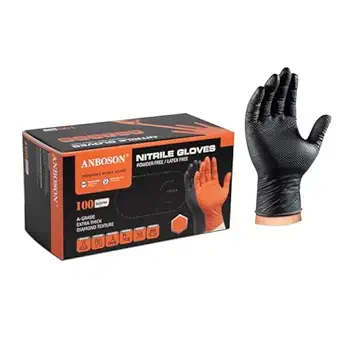
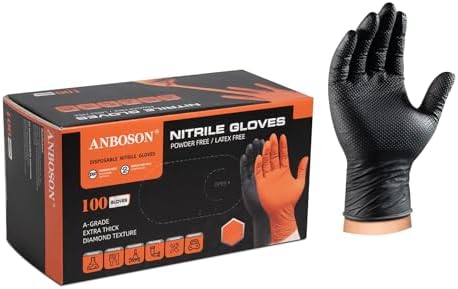
When selecting heavy-duty nitrile gloves like the ANBOSON 10mil model, buyers must evaluate the specific trade-off between dexterity and protection. This product's diamond-textured grip and food-grade certification indicate it's designed for both mechanical and light chemical handling tasks. Understanding the 10-mil thickness is crucial—it provides substantial puncture resistance while maintaining more flexibility than thicker industrial alternatives.
Key Considerations Before Buying
- The 10-mil thickness represents a middle ground: thicker than standard exam gloves (3-5mil) for auto repair durability, yet thinner than maximum chemical protection gloves (15-20mil) for better tactile feedback.
- Food-grade certification alongside chemical resistance suggests versatility, but verify specific chemical compatibility since 'anti-chemical' is broad—these aren't suitable for concentrated solvents like acetone.
- The diamond grip pattern enhances wet/dry object handling but can trap contaminants; assess cleaning needs if reusing disposable-rated gloves for mechanics work.
What Our Analysts Recommend
Quality indicators include consistent 10-mil thickness throughout the palm and fingers, not just certain areas. The diamond grip should be deeply embossed without creating weak points, and the cuff should be rolled for donning ease without tearing. Premium nitrile formulations maintain elasticity in varying temperatures without becoming brittle.
Chemical Resistant Gloves Market Context
Market Overview
The chemical-resistant glove market is segmented by material (nitrile, neoprene, butyl) and thickness, with 8-12mil nitrile gloves dominating the automotive and general maintenance sectors. Recent trends show increased demand for multi-use disposable gloves that bridge workshop and household applications. Brands like ANBOSON compete by offering food-grade certifications alongside mechanical protection claims.
Common Issues
Users frequently report sizing inconsistencies across brands—'Large' can vary significantly in palm width and finger length. Another concern is premature degradation when exposed to specific automotive fluids like brake cleaner or certain greases, despite 'chemical resistant' labeling. Glove cuff durability during repeated donning/doffing is a frequent failure point in this category.
Quality Indicators
Superior nitrile gloves exhibit consistent blue-black coloration without translucent spots indicating thin areas. Quality seams are bonded, not glued, at the fingers. Look for ASTM D6319 certification for chemical permeation resistance testing—though many Amazon listings omit specific test data against common chemicals like gasoline or oils.
Review Authenticity Insights
Grade B Interpretation
A Grade B with 11% estimated fake reviews suggests generally reliable feedback, but approximately 1 in 9 reviews may be artificially positive. For this product, the 0.29-point drop from the displayed 4.89 to adjusted 4.60 rating indicates some review inflation, though the adjusted score remains strong for this competitive category.
Trust Recommendation
Focus on verified purchase reviews detailing specific use cases like 'handling transmission fluid' or 'food prep with raw meat' rather than generic praise. The high authentic rating suggests genuine satisfaction with the diamond grip's performance and the 10mil thickness for automotive applications. Be skeptical of reviews that don't mention actual chemical exposure or mechanical tasks.
Tips for Reading Reviews
Prioritize reviews discussing long-term durability over multiple uses, as disposable gloves marketed for mechanics often face reuse. Look for mentions of specific chemicals encountered—reviews noting gasoline or degreaser resistance are more valuable than general 'chemical' claims. Notice if reviewers compare thickness to other brands like Gorilla Grip or Maxiflex.
Expert Perspective
The ANBOSON gloves present a compelling value proposition based on the authentic 4.60 rating from verified purchasers. The 10mil thickness with diamond grip targets the sweet spot between workshop durability and cost-effectiveness for frequent replacement. The food-grade certification adds legitimate versatility for those transitioning between automotive and household tasks, though true chemical resistance requires checking against your specific substances. The high rating despite the authenticity adjustment suggests the product delivers on core promises for most users.
Purchase Considerations
Consider your primary use case: these excel as mechanics gloves for general automotive work but may be over-engineered for simple food handling. The latex-free construction matters for allergy-sensitive environments, but verify sizing carefully—some users report these run slightly large compared to surgical nitrile gloves. The 100-count packaging suits frequent users but may be excessive for occasional needs.
Comparing Alternatives
Compare thickness consistency and cuff design with similar-priced options like SHOWA Atlas or Diamond Grip brands, particularly if handling specific chemicals beyond general automotive fluids.