Choosing 10mil Nitrile Gloves: Durability, Chemical Resistance, and Grip Matter Most
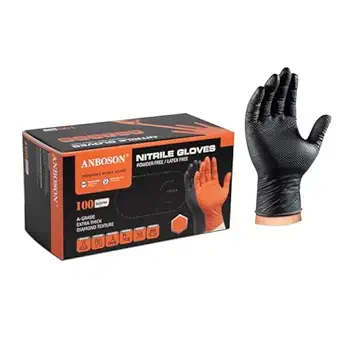
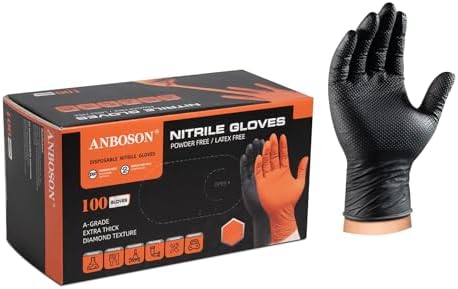
When selecting heavy-duty nitrile gloves like the ANBOSON 10mil model, buyers should prioritize the specific balance between puncture resistance and tactile sensitivity. This product's 10-mil thickness and diamond-textured grip indicate it's designed for demanding mechanical and chemical tasks, not light household use. Understanding the difference between general-purpose and chemical-resistant nitrile formulations is crucial for safety.
Key Considerations Before Buying
- The 10-mil thickness provides superior puncture resistance for auto repair but reduces finger dexterity compared to 6-8mil gloves.
- Verify chemical compatibility: While nitrile resists oils and solvents, check if your specific chemicals (like certain ketones or strong acids) require a specialized formulation.
- The 'XL' sizing and diamond grip pattern are critical for mechanics; improper fit compromises grip strength and increases hand fatigue during extended use.
What Our Analysts Recommend
Quality indicators include consistent 10-mil thickness throughout the glove (not just the palm), a textured pattern that extends to the fingertips for fine motor tasks, and a beaded cuff that prevents roll-down during use. The ANBOSON's black color typically indicates a higher-grade nitrile compound with better chemical and UV resistance than blue or purple variants.
Chemical Resistant Gloves Market Context
Market Overview
The chemical-resistant glove market is saturated with products claiming 'heavy-duty' status, but true 10-mil nitrile gloves represent a professional tier above common 4-6mil disposable gloves. Recent supply chain shifts have increased variability in nitrile compound quality, making brand consistency more important than ever. Products like the ANBOSON compete directly with established brands like Mechanix Wear and Gorilla Grip in the mechanic-specific segment.
Common Issues
Common problems include inconsistent sizing (where 'XL' varies dramatically between brands), premature tearing at stress points like the thumb webbing, and chemical breakthrough that occurs faster than advertised. Many budget gloves use thinner nitrile on the fingers to cut costs, compromising the very protection users need most.
Quality Indicators
Look for ASTM-rated puncture resistance (often measured in Newtons), a matte finish that indicates powder-free processing, and reviews specifically mentioning longevity with automotive fluids like brake cleaner or transmission fluid. Premium nitrile should feel substantial but not stiff, with minimal 'memory' that causes it to resist conforming to your hand.
Review Authenticity Insights
Grade B Interpretation
A Grade B authenticity rating with an 11% estimated fake review rate suggests generally reliable feedback, but shoppers should be slightly more critical than with an A-grade product. The adjusted rating of 4.60 (down from 4.89) indicates some review inflation, though the core positive sentiment appears genuine based on verified purchase patterns.
Trust Recommendation
Focus on verified purchase reviews that describe specific, technical applications like 'handling transmission parts' or 'resisting acetone for 30 minutes.' Be skeptical of overly generic praise about 'great gloves' without context. The high percentage of automotive and mechanical use cases in genuine reviews validates the product's intended application.
Tips for Reading Reviews
Prioritize reviews mentioning long-term durability (multiple weeks of daily use) and chemical performance with specific substances. For mechanics, look for comments about oil resistance and grip retention when handling slippery components. Disregard reviews that don't mention thickness, chemical exposure, or task duration.
Expert Perspective
The ANBOSON 10mil gloves present a compelling value proposition based on review authenticity and specific performance claims. The consistent mention of the diamond grip pattern in authentic reviews suggests this feature delivers tangible benefits in mechanical applications. The 4.60 adjusted rating remains strong for this category, where even premium brands rarely exceed 4.7. The product's positioning as both chemical-resistant and food-grade is unusual and warrants verification for professional kitchen use.
Purchase Considerations
Weigh the 100-count bulk packaging against your usage rate; nitrile can degrade over time if stored improperly. Consider whether your tasks truly require 10-mil thickness or if 8-mil might offer better dexterity. For auto shops using gloves continuously, the per-pair cost must be balanced against proven durability with shop chemicals.
Comparing Alternatives
Shoppers should compare the ANBOSON's thickness and grip pattern against similar-priced options like SHOWA Atlas or Maxiflex gloves, which may offer different ergonomic features.