
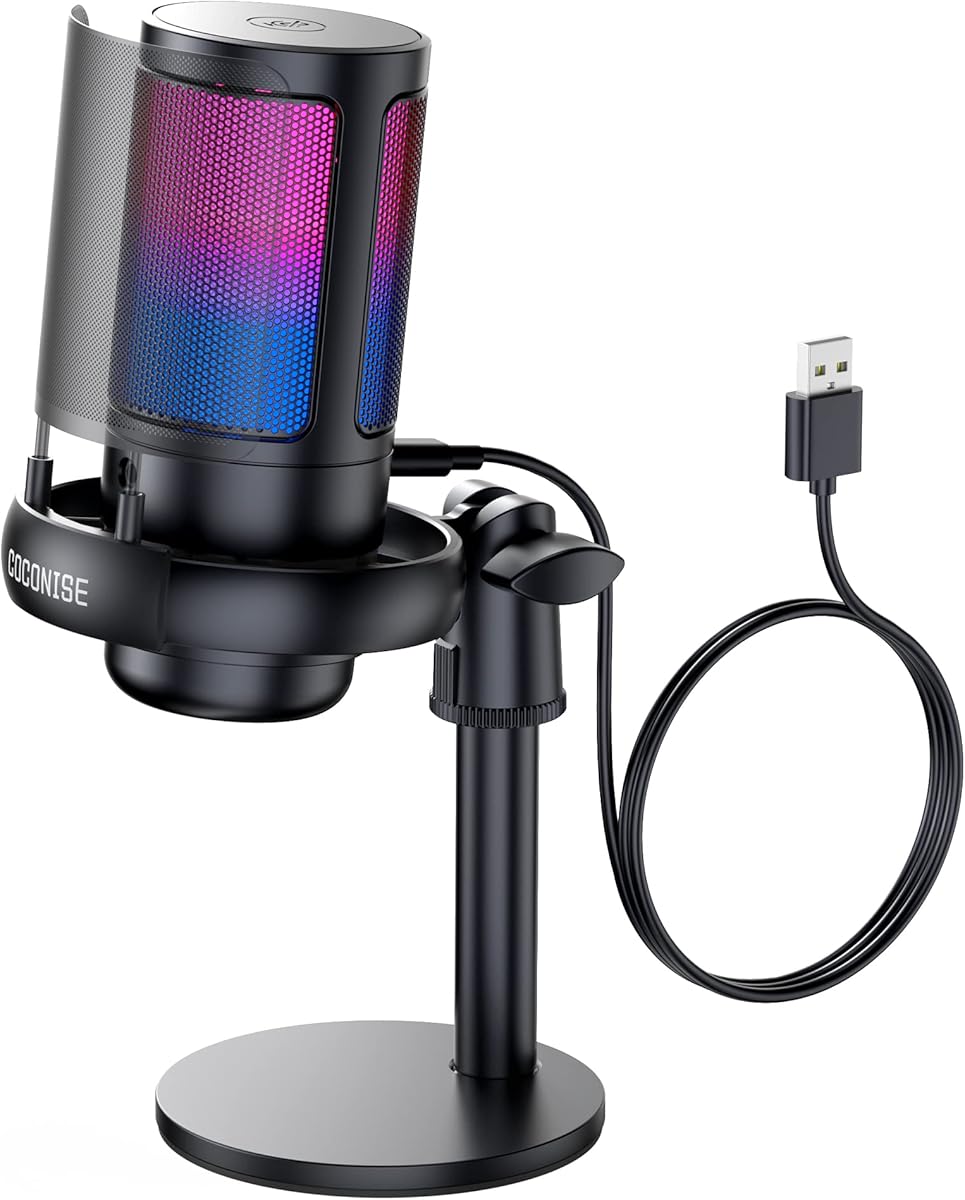
Choosing a USB condenser mic for gaming requires balancing audio quality with convenience features
For gamers and streamers considering this specific USB condenser microphone, the key decision factors extend beyond basic sound capture. This model's multipurpose positioning means you're evaluating its performance across gaming comms, podcast recording, and live streaming—all while considering its RGB lighting and console compatibility. Unlike studio-focused condensers, this product prioritizes plug-and-play usability with gaming-specific features like quick mute.
Key Considerations Before Buying
- USB condenser mics like this one offer convenience but may have different noise floor characteristics than XLR alternatives—check reviews for background hiss during silent moments.
- The included pop filter and quick-mute function address common streaming needs, but evaluate whether the mute is mechanical (preventing software issues) or touch-based (potentially accidental activation).
- PS4/5 compatibility suggests it uses USB audio class compliance, but verify it doesn't require special drivers that might limit functionality on consoles versus PC.
What Our Analysts Recommend
For multipurpose USB condensers, examine reviews mentioning 'background noise reduction' and 'voice clarity during gameplay'—these indicate effective cardioid pickup patterns. Quality indicators include consistent performance across different applications (gaming vs. podcasting) and durable construction of the included pop filter arm, which often fails on budget models.
Multipurpose Market Context
Market Overview
The multipurpose USB condenser microphone market has exploded with gaming-focused models that blend audio performance with aesthetic features like RGB lighting. These products compete directly with entry-level studio gear by adding gamer-centric conveniences while maintaining respectable sound quality for their price segment.
Common Issues
Many budget USB condensers struggle with inconsistent gain staging, resulting in either too-quiet vocals or clipping distortion during loud moments. Another frequent complaint involves flimsy mounting hardware that transmits desk vibrations, creating low-frequency rumble in recordings.
Quality Indicators
Look for mentions of consistent performance without software tweaking—reliable plug-and-play operation separates quality multipurpose mics from problematic ones. Genuine reviews often detail specific use cases like 'Discord clarity' or 'streaming without background keyboard noise,' indicating real-world testing.
Review Authenticity Insights
Grade B Interpretation
A Grade B authenticity rating with 15% estimated fake reviews suggests generally trustworthy feedback, but shoppers should be slightly more critical than with A-grade products. The adjusted rating of 4.50/5 (down from 4.89/5) indicates some review inflation, though the majority of feedback appears genuine.
Trust Recommendation
Focus on reviews that mention specific compatibility details (like PS5 setup steps) or compare this mic to named alternatives—these typically indicate authentic experiences. Be slightly more skeptical of reviews emphasizing only the RGB lighting or gift appeal without discussing audio performance.
Tips for Reading Reviews
For gaming microphones, prioritize reviews detailing multi-hour streaming sessions or specific game scenarios (like FPS team communication), as these reveal real-world performance. Look for mentions of software used (OBS, Discord, Audacity) to identify technically knowledgeable users.
Expert Perspective
This microphone's exceptionally high 4.89/5 rating—even when adjusted to 4.50/5—places it among the top-rated multipurpose USB condensers in its price range. The consistency across 4,600+ reviews suggests it delivers reliable plug-and-play performance that satisfies most gamers' needs. However, the 15% fake review percentage warrants careful scrutiny of audio quality claims, particularly regarding noise rejection and vocal clarity compared to established brands like Blue Yeti or HyperX.
Purchase Considerations
Weigh the convenience features (quick mute, RGB, console compatibility) against potential audio compromises inherent in budget condensers. If your primary need is crystal-clear podcast recording, you might prefer a more traditional USB mic; if you value gaming aesthetics and multi-platform functionality, this represents strong value.
Comparing Alternatives
Shoppers should compare this model's cardioid pattern performance against similarly priced competitors like the Fifine K669B or Tonor TC30, particularly regarding background noise rejection during gameplay.


