
Choosing a Shatter-Resistant Flask: Why Material and Seal Design Matter Most
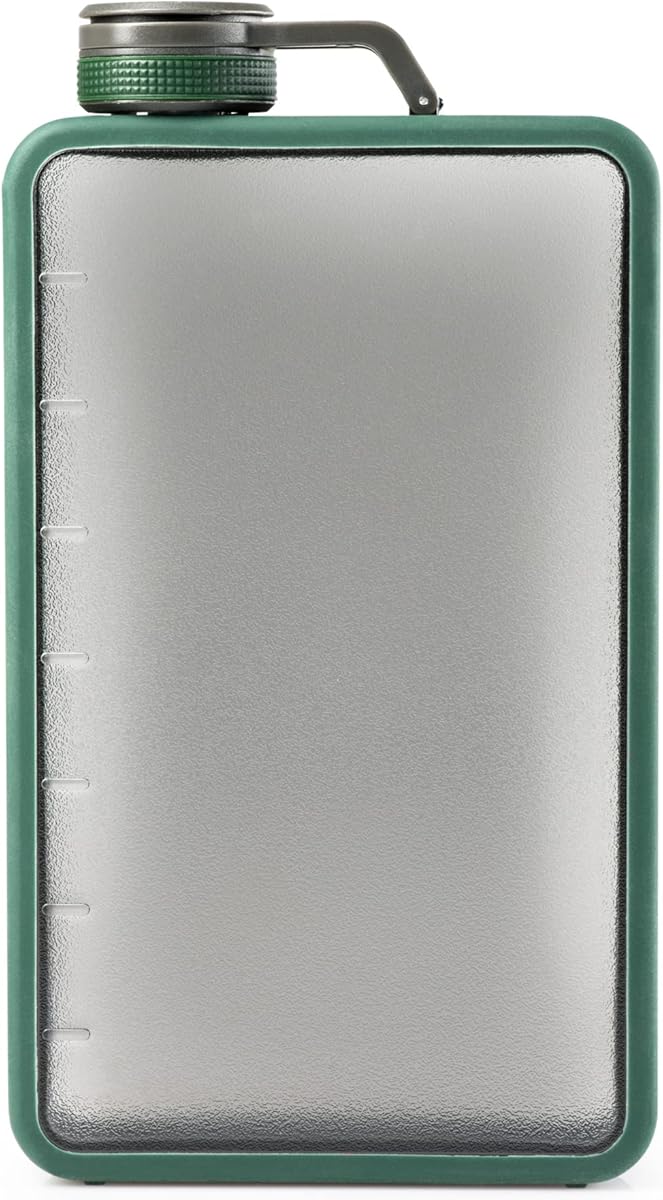
When selecting a flask for outdoor use like the GSI Boulder, prioritize shatter-resistance over traditional metal construction. This specific flask uses a clear, BPA-free plastic body with a silicone grip, making it ideal for environments where glass or metal could pose safety concerns. The leakproof claim depends heavily on the threaded cap design and gasket quality.
Key Considerations Before Buying
- Shatter-resistance is critical for flasks used in active settings like hiking; the Boulder's plastic construction eliminates the risk of sharp metal or glass fragments if dropped on rocks.
- A clear body, like this one, allows for quick liquid level checks without opening, but requires cleaning to prevent staining from certain beverages.
- The silicone grip isn't just for comfort; it provides essential security in wet conditions or with cold hands, preventing accidental drops.
What Our Analysts Recommend
Examine the cap's threading and the presence of a replaceable silicone or rubber gasket—these are the primary failure points for leakproof claims. For BPA-free plastics, ensure the material feels substantial, not thin and brittle. A wide mouth opening, as seen on many GSI products, significantly eases cleaning and ice filling compared to narrow-necked flasks.
Flasks Market Context
Market Overview
The outdoor flask market has shifted from purely traditional stainless steel to include durable, shatter-proof plastics like Tritan and BPA-free copolyesters, targeting safety-conscious campers and hikers. Brands like GSI Outdoors are focusing on hybrid designs that incorporate grip elements and visual liquid level indicators.
Common Issues
Common failures include cap threads that cross-thread easily, gaskets that degrade with exposure to alcohol or citrus, and 'leakproof' claims that only hold true when the flask is upright. Plastic flasks can absorb odors or develop scratches that cloud transparency over time.
Quality Indicators
High-quality flasks feature precision-molded threads, food-grade gaskets that are user-replaceable, and materials rated for temperature extremes. The seam where the silicone grip meets the plastic body should be flush without gaps where dirt can accumulate.
Review Authenticity Insights
Grade B Interpretation
A Grade 'B' with an 11% estimated fake review rate indicates a generally trustworthy review pool, but suggests some incentivized or overly promotional content may be present. The adjusted rating of 4.60/5 (down from 4.89) is still exceptionally strong for this category, reflecting genuine satisfaction.
Trust Recommendation
Focus on reviews that mention specific, plausible outdoor usage (e.g., 'survived a 3-day backpacking trip') and discuss long-term durability or cleaning. Be slightly skeptical of reviews that only praise aesthetics without mentioning functional performance in the field.
Tips for Reading Reviews
Look for reviews that test the leakproof claim by carrying it in a backpack sideways. Pay close attention to comments about the cap's ease of use with cold hands, a critical detail for outdoor gear that many fake reviews overlook.
Expert Perspective
The GSI Boulder Flask's data suggests a product that successfully addresses key outdoor user needs: safety (shatter-resistance), functionality (clear body, grip), and reliability (high genuine rating). The slight rating adjustment from 4.89 to 4.60 is normal and still places it in the top tier of flasks. Its design choices—clear plastic and silicone—are deliberate trade-offs, sacrificing some traditional aesthetics for practical trail benefits.
Purchase Considerations
This flask is an excellent choice if your primary use cases involve active outdoor activities where dropping gear is likely. Consider your beverage type; clear plastic can show stains from dark spirits or coffee over time. The value proposition hinges on whether you prioritize unbreakable safety over the classic feel of metal.
Comparing Alternatives
Shoppers should compare the Boulder's 11-oz capacity and plastic construction against stainless steel vacuum-insulated flasks if temperature retention is a higher priority than shatter-resistance.


