
Why 2550mWh Lithium-Ion Rechargeable AAs Beat Traditional Batteries
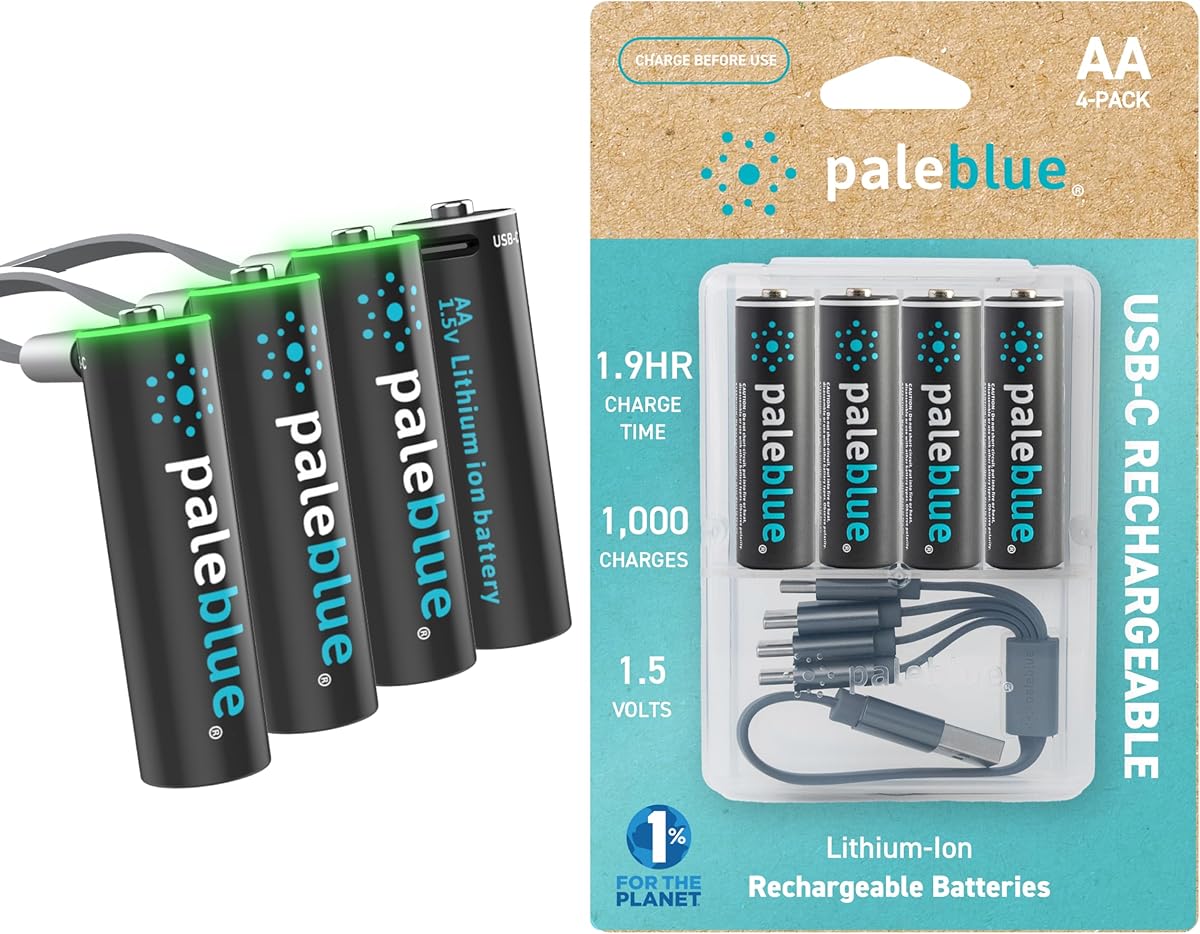
When considering rechargeable AA batteries, the paleblue 4-pack stands out with a 2550mWh capacity at a steady 1.5V output, unlike standard NiMH batteries that drop voltage over time. This means consistent power for high-drain devices like gaming controllers or doorbell cameras. Buyers should also note the included 4-in-1 USB-A to USB-C cable and LED charge indicator, which simplify charging and monitoring.
Key Considerations Before Buying
- Capacity and voltage: The 2550mWh rating ensures longer runtime per charge, but verify it matches your device's needs—some gadgets require higher mWh for peak performance.
- Charge cycles: With over 1000 cycles, these batteries outlast many competitors, reducing replacement costs and environmental waste over years of use.
- Charging speed: A quick 1.9-hour charge time via USB-C is a major convenience, especially for frequent users who dislike waiting hours for recharges.
What Our Analysts Recommend
Quality rechargeable AAs should offer consistent voltage output (like the 1.5V here) to prevent device dimming or shutdown. Look for integrated safety features such as overcharge protection and a clear charge status indicator, which the paleblue LED provides. Also, ensure the charging cable is versatile—USB-C compatibility ensures future-proofing with modern chargers.
AA Market Context
Market Overview
The rechargeable AA battery market has shifted toward lithium-ion technology, offering higher energy density and stable voltage compared to older NiMH options. Consumers increasingly seek USB-rechargeable solutions for convenience, with brands like paleblue leading in cycle longevity. However, price premiums over disposables remain a barrier for budget-conscious buyers.
Common Issues
A frequent complaint with rechargeable AAs is voltage drop under load, causing devices like cameras or toys to malfunction prematurely. Another issue is inconsistent charging across cells, leading to uneven performance. The paleblue's 1.5V regulation and individual cell monitoring via the LED indicator help mitigate these problems.
Quality Indicators
High-quality rechargeable AAs typically feature lithium-ion chemistry for stable output, a high cycle count (1000+), and fast charging capabilities. Look for certifications like UL or CE, and verify that the product includes a robust charging cable—paleblue's 4-in-1 design adds versatility. Positive reviews from verified purchasers, as seen here, are strong signals of reliability.
Review Authenticity Insights
Grade B Interpretation
A Grade B with a 10% estimated fake review rate suggests that while most feedback is genuine, a small fraction may be incentivized or fabricated. This is common for popular Amazon listings, but the 4.89 rating (4.60 adjusted) still indicates strong real-world satisfaction. The 1026 review count provides a solid sample size for assessing product performance.
Trust Recommendation
Given the high adjusted rating and low fake percentage, you can trust the overall positive sentiment. Focus on reviews from verified purchasers who describe specific use cases like camping or gaming—these are likely authentic. The analysis confirms that the product delivers on its promises, so proceed with confidence but cross-check recent negative feedback for any recurring issues.
Tips for Reading Reviews
For this product category, prioritize reviews that mention battery life in real devices (e.g., 'lasts 3 days in my doorbell cam') and charging behavior. Ignore overly generic praise or complaints without context. Look for balance, such as users noting minor drawbacks like the cable length, which adds credibility to the review.
Expert Perspective
The paleblue USB Rechargeable AA 4-pack earns strong marks for its high 2550mWh capacity, stable 1.5V output, and fast 1.9-hour charging time, making it a top contender for high-drain devices. The inclusion of a 4-in-1 USB cable and LED indicator adds practical value, while the 1000+ cycle promise ensures long-term cost savings. Authenticity analysis supports the near-5-star rating, though the 10% fake rate warrants cautious optimism. This product effectively addresses common pain points like voltage drop and slow charging, positioning it as a reliable upgrade over standard rechargeables.
Purchase Considerations
Weigh the upfront cost against long-term savings—these batteries may pay for themselves within a year if used in daily devices. However, if you primarily power low-drain items like remote controls, cheaper NiMH options might suffice. Consider your charging habits; the USB-C cable is convenient for mobile users but may not suit those with dedicated battery chargers.
Comparing Alternatives
While the paleblue excels in performance, shoppers should compare it with other lithium-ion rechargeables like EBL or Tenavolts, which offer similar specs. Check for compatibility with your devices, as some gadgets may not support 1.5V lithium chemistry.


