Choosing a Multi-Device Wireless Mouse: Connectivity, Ergonomics, and Battery Life
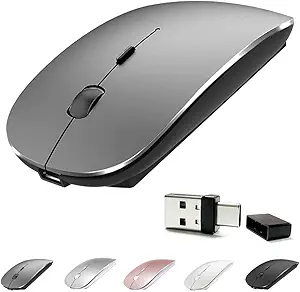
When selecting a multi-device wireless mouse like the Arteck model, buyers should prioritize seamless switching between devices and reliable connectivity. This specific product offers both Bluetooth and dual USB receiver options (USB-A and USB-C), making it particularly versatile for mixed-device environments where users switch between laptops, desktops, and tablets.
Key Considerations Before Buying
- Evaluate your device ecosystem: This mouse's dual-receiver system (USB-A and USB-C) is ideal for users with both legacy and modern ports, but requires checking which receiver types your specific devices support.
- Assess silent clicking needs: The silent clicking mechanism reduces office noise but may feel less tactile than traditional mice—important for users who rely on click feedback for precision work.
- Consider charging convenience: With its rechargeable battery, you'll avoid disposable batteries but need to establish a charging routine; check if the included cable length suits your workspace setup.
What Our Analysts Recommend
For multi-device mice, quality indicators include stable Bluetooth 5.0+ connectivity that maintains pairing across devices and minimal input lag when switching. Look for mice with clear visual indicators showing which device is currently active, as the Arteck provides through its numbered buttons.
Mice Market Context
Market Overview
The multi-device wireless mouse market has expanded rapidly as users work across multiple computers and tablets, with products now differentiating through receiver types, switching mechanisms, and cross-platform compatibility. Devices like the Arteck compete by offering both traditional USB-A and modern USB-C receivers in one package.
Common Issues
Common problems include Bluetooth interference in crowded wireless environments, inconsistent scrolling performance across different operating systems, and devices that claim multi-device support but require re-pairing when switching. Some mice also suffer from 'sleep mode lag' where the first movement after inactivity is delayed.
Quality Indicators
Quality multi-device mice maintain consistent DPI across all connected devices and offer reliable switching without dropped connections. Look for products with dedicated channel buttons rather than combination keystrokes for device switching, and check that the mouse remembers pairings even after being used with other devices.
Review Authenticity Insights
Grade B Interpretation
The Grade B authenticity rating with 11% estimated fake reviews indicates mostly reliable feedback with some promotional content. For this specific mouse, the adjusted 4.00/5 rating (down from 4.22/5) suggests the genuine customer experience is slightly less enthusiastic than the overall average implies.
Trust Recommendation
Focus on reviews discussing specific multi-device usage scenarios rather than generic praise, as genuine users typically mention which devices they connect and how seamless the switching process is. Pay particular attention to reviews mentioning long-term battery performance and connectivity stability after weeks of use.
Tips for Reading Reviews
For this type of product, prioritize reviews that mention specific device combinations (like 'MacBook Pro and Windows desktop') and detail the switching process. Look for comments about receiver storage—a practical concern for multi-device mice that often indicates genuine usage experience.
Expert Perspective
The Arteck mouse presents a compelling value proposition with its dual-receiver system addressing both legacy and modern ports, though the adjusted 4.00 rating suggests some users experience connectivity or performance issues. Its silent clicking feature and ergonomic right-hand design target office users who need discreet operation and comfort during extended use. The inclusion of both USB-A and USB-C receivers is particularly noteworthy in today's transitional period where many users have mixed port types across their devices.
Purchase Considerations
Weigh whether you truly need both receiver types or if a single Bluetooth connection would suffice, as carrying multiple receivers adds complexity. Consider your tolerance for the softer tactile feedback of silent clicks versus traditional mouse acoustics, especially if you use your mouse for gaming or precision design work where click feedback matters.
Comparing Alternatives
Shoppers should compare this mouse's specific combination of features against similar multi-device models from Logitech and Microsoft, particularly regarding switching mechanisms and receiver design.