
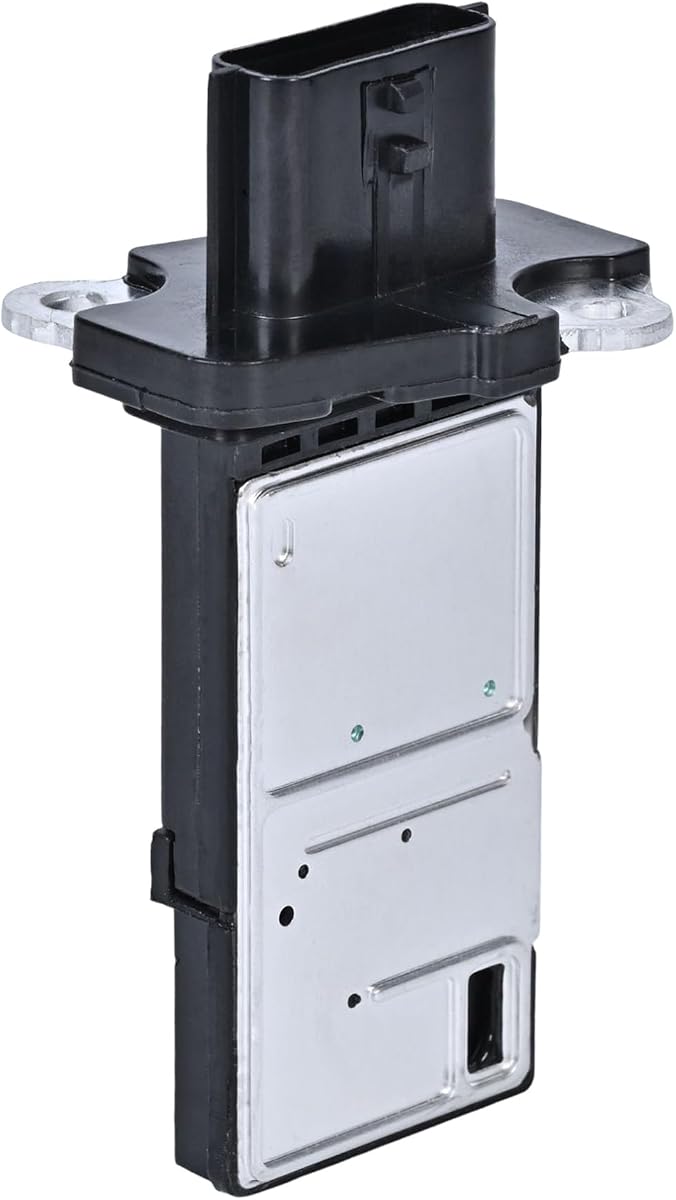
Nissan MAF Sensor 22680-7S00A: Fitment, Codes, and Quality Explained
When your Nissan or Infiniti starts stumbling at idle or throws P0171/P0174 codes, a failing mass air flow sensor is often the culprit. This aftermarket MAF sensor, designed to replace the OEM 22680-7S00A and 22680-7S000, covers a wide range of models from the 350Z to the NV3500 van. Before you buy, understand the fitment nuances and what to expect from an aftermarket unit.
Key Considerations Before Buying
- Verify your exact vehicle model and engine—this sensor is compatible with many Nissan/Infiniti V6 and V8 applications, but cross-reference with your VIN or engine code to avoid mismatch.
- Check for the connector style and wiring—some Nissan models use different harness connectors, and an incorrect match may require adapter or cause intermittent issues.
- Remember that MAF sensors are sensitive to contamination—after replacement, ensure your air filter is clean and the intake system is sealed to prevent future failures.
What Our Analysts Recommend
Look for a sensor with a genuine Bosch or Hitachi internals, as these are the OEM suppliers for Nissan. Check for a metal housing and proper O-ring seal. Verify that the part number matches your vehicle's original (22680-7S00A or 22680-7S000) and that the sensor includes a protective mesh screen.
Mass Air Flow Market Context
Market Overview
The aftermarket MAF sensor market is crowded with options ranging from $30 to $200. Many Nissan owners turn to these affordable replacements instead of dealership parts, which can cost three times as much. Quality varies widely, with some sensors failing within months due to poor calibration or substandard components.
Common Issues
Common problems include incorrect airflow readings leading to rough idle, poor fuel economy, or even engine stalling. Some aftermarket sensors may not be calibrated to the same voltage curve as the original, triggering codes or performance issues. Also, counterfeit sensors are a risk, especially in listings with suspicious reviews.
Quality Indicators
Indicators of quality include a clear brand name, OEM reference numbers, and positive feedback from owners of the same vehicle model. Look for sensors that come with a warranty and have been tested for OEM specifications. A higher price often reflects better components and calibration.
Review Authenticity Insights
Grade B Interpretation
The B grade and 12% estimated fake reviews indicate that while most reviews are authentic, a notable fraction may be incentivized or fabricated. This is common for aftermarket auto parts. The 4.22 rating (adjusted to 4.00) suggests real-world performance is slightly lower than the raw score implies, but still generally positive.
Trust Recommendation
Given the 12% fake rate, focus on detailed reviews that mention specific symptoms and vehicle models—these are likely genuine. Look for reviews with photos of the installed sensor. Be cautious of overly enthusiastic short reviews or those that seem generic. Cross-reference the seller's return policy and warranty as a safety net.
Tips for Reading Reviews
When reading reviews, filter by 'Verified Purchase' and sort by 'Most Recent' to get current quality. Pay attention to reviews from owners of your exact vehicle (e.g., a 2014 Murano) and note if they mention clearing codes or immediate improvement. Avoid relying solely on the star rating; read the text for specifics.
Expert Perspective
This MAF sensor is a viable budget alternative for Nissan/Infiniti owners, especially for older vehicles where OEM cost is prohibitive. The authentic reviews highlight successful fixes for common issues like rough idle and engine codes, but the 12% fake review rate and adjusted rating of 4.00 signal that you may encounter occasional quality issues. For popular models like the 350Z and Murano, this sensor is worth considering, but for critical applications, verify the return policy.
Purchase Considerations
Weigh the price against the potential for early failure—if you're comfortable with a possible replacement, this sensor is a good deal. Also, consider your vehicle's age; if it's newer, an OEM sensor might be safer for warranty and performance. Check if the sensor includes a gasket or O-ring, as some sellers may not include them.
Comparing Alternatives
Shoppers should also compare with OEM sensors from Nissan dealerships or reputable brands like Hitachi, Denso, or ACDelco, which may offer more consistent quality. Also, check if your vehicle is under a recall or extended warranty for this part.
![A-Premium Mass Air Flow Sensor MAF [5 Pins] Compatible with Nissan,Infiniti](https://m.media-amazon.com/images/I/71dHe8pYeyL._AC_SY300_SX300_QL70_FMwebp_.jpg)


