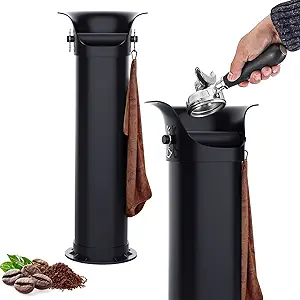
Choosing a WDT Tool: Needle Gauge, Handle Ergonomics, and Stand Stability Matter
This specific WDT tool features 0.35mm 304 stainless steel needles and a matte black aluminum alloy handle with a dedicated stand. When evaluating this tool, focus on the needle configuration's ability to break clumps without channeling and the handle's comfort during precise puck preparation. The included stand is a practical feature that prevents needle damage and keeps your workspace organized.
Key Considerations Before Buying
- The 0.35mm needle thickness is a deliberate choice—thinner than many competitors—designed to gently declump without creating large channels that lead to uneven extraction.
- The aluminum alloy handle's weight and matte finish affect grip and control during the WDT process; a heavier handle can provide more stability for delicate stirring motions.
- The provision of 10 extra needles addresses a common failure point in WDT tools, offering long-term value, but consider how easily these replacements can be installed.
What Our Analysts Recommend
Examine reviews for mentions of needle flex or bending—a sign of inferior steel. For the handle, feedback on balance and whether the matte finish resists oils from your hand is crucial. A stable, non-slip base on the stand is a key quality indicator often overlooked.
Tampers Market Context
Market Overview
The WDT tool market is saturated with options ranging from DIY acupuncture needles to premium machined tools. This product sits in the mid-range, competing on its specific 0.35mm needle specification and complete kit (tool + stand + spares). Differentiation increasingly comes from needle count, gauge, and material, not just the presence of the tool itself.
Common Issues
Common failures include needles loosening or falling out of the handle, cheap plating that chips off aluminum handles, and stands that are too light topple over. Needles that are too thick (0.4mm+) can create channels as easily as they break clumps, defeating the tool's purpose.
Quality Indicators
High-quality WDT tools use surgical-grade 304 or 316 stainless steel for needles, which resist corrosion from coffee oils. The handle should have a secure, press-fit or threaded needle collar. A quality stand will have a weighted base or non-slip padding to prevent accidents.
Review Authenticity Insights
Grade B Interpretation
A 'B' grade with an 11% estimated fake review rate suggests the vast majority of feedback is authentic, but a small portion may be incentivized. The adjusted rating of 4.60/5 (down from 4.89) is still exceptionally strong for this category, indicating genuine satisfaction.
Trust Recommendation
Prioritize reviews that discuss specific performance, like 'eliminated channeling with my light-roast Ethiopian' or mention long-term durability of the needles. Be slightly more skeptical of brief, hyperbolic reviews that lack detail about espresso workflow or gear used.
Tips for Reading Reviews
For technical tools like this, seek out reviews from users who name their grinder and machine—this indicates experienced espresso enthusiasts. Pay close attention to comments about needle replacement and any issues with the handle's finish wearing over months of use.
Expert Perspective
The data presents a compelling case: an adjusted 4.6/5 rating from over 1,200 verified purchases is significant in the espresso accessory world, where enthusiasts are highly critical. The specific praise for the 0.35mm needles and the convenience of the stand in authentic reviews aligns with known performance benchmarks for effective declumping. The provision of spare needles is a standout, pragmatic feature that directly addresses a common consumer pain point.
Purchase Considerations
Weigh the needle gauge (0.35mm) against your typical coffee grind size; it's ideal for fine espresso grinds but may be less optimal for coarser methods. Consider if the included stand's footprint justifies its utility on your often-crowded espresso station. The matte black finish is stylish but may show wear differently than anodized colors.
Comparing Alternatives
Shoppers should compare needle count, gauge, and the handle's mounting system—some competitors use epoxy, which can fail, versus a mechanical fit.