
Choosing a Portable SSD: Speed, Compatibility, and Durability Considerations
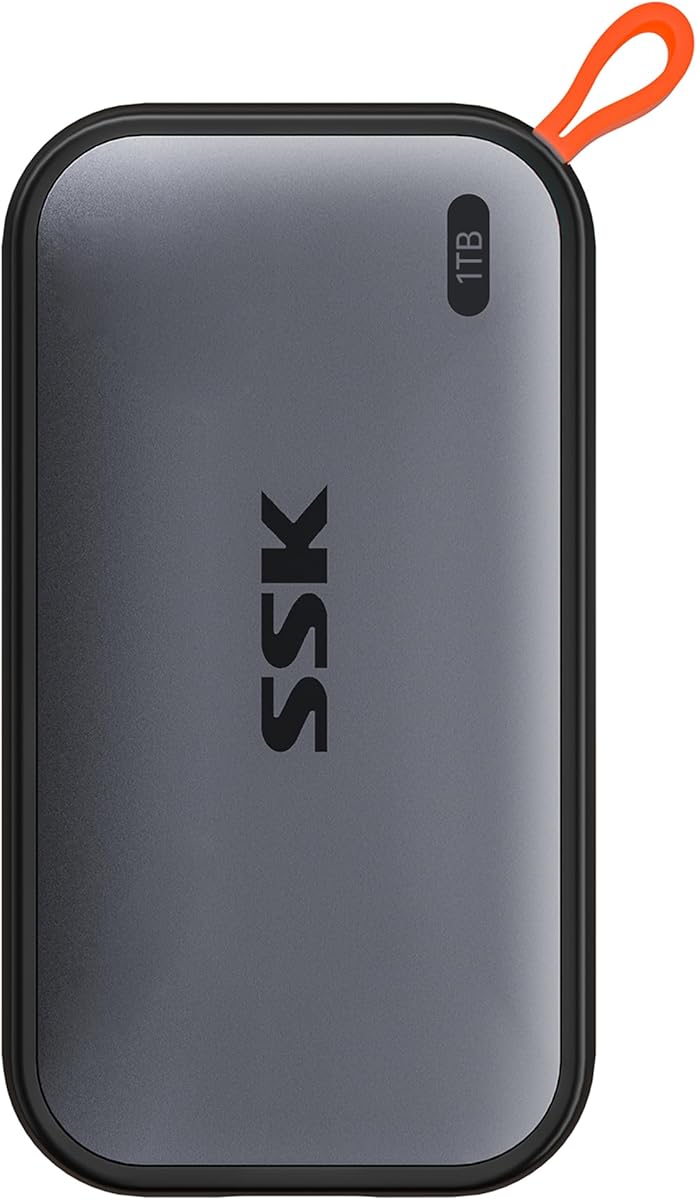
The SSK 1TB portable SSD represents a specific segment of external storage that prioritizes USB 3.2 Gen2 speeds up to 1050MB/s and broad device compatibility. Buyers should understand that this drive's value proposition hinges on its cross-platform support for iPhone 15, Android, Windows, and Mac systems, which isn't universal among competitors. This makes it particularly relevant for users who need to move large files like 4K video or photo libraries between different operating systems frequently.
Key Considerations Before Buying
- Verify your device's USB-C port supports USB 3.2 Gen2 (10Gbps) to achieve the advertised 1050MB/s speeds; older USB 3.0 ports will bottleneck performance significantly.
- Consider the physical durability needs for a portable drive—this model's aluminum casing suggests better heat dissipation than plastic enclosures, which matters during sustained large file transfers.
- Assess your actual capacity needs: 1TB is ideal for prosumer photo/video work, but may be overkill for document backups alone, where a lower-capacity, cheaper SSD might suffice.
What Our Analysts Recommend
For drives like the SSK, scrutinize real-world speed tests in reviews, not just advertised specs, as controller quality and NAND flash type (TLC vs. QLC) affect sustained write performance. Genuine reviews often mention heat management during extended use and the reliability of the included USB-C to C and C to A cables, which are critical for the promised compatibility.
External Solid State Drives Market Context
Market Overview
The portable SSD market is fiercely competitive, with numerous brands offering similar specs around the $60-$80 price point for 1TB. The differentiation often comes down to software bundles, warranty length (typically 3-5 years), and the quality of the internal controller and NAND flash, which SSK doesn't explicitly advertise. Drives boasting iPhone 15 compatibility, like this one, are tapping into the growing creator market using smartphones for professional content.
Common Issues
Common pitfalls include drives that throttle speeds dramatically after the cache is full, incompatibility with specific file systems (like NTFS on Mac or APFS on Windows without software), and physical failures from minor drops despite rugged claims. Some drives also struggle with inconsistent performance when daisy-chained through hubs or docks.
Quality Indicators
Look for mentions of consistent read/write speeds in verified purchase reviews, not just peak speeds. A higher proportion of reviews discussing long-term use (6+ months) is a positive signal. Also, note if the manufacturer specifies the type of NAND flash (e.g., 3D TLC) and provides a downloadable firmware/utility tool, which indicates better product support.
Review Authenticity Insights
Grade B Interpretation
A 'Grade B' with a 13% estimated fake review rate indicates a generally trustworthy review landscape, but suggests you should be slightly more critical than average. For this SSK drive, it means while most feedback is genuine, there's a moderate chance some reviews artificially inflate performance claims or downplay compatibility issues.
Trust Recommendation
Prioritize reviews that detail specific use cases, like transferring 50GB video projects or using with an iPhone 15 Pro's ProRes footage, as these are harder to fake. Be skeptical of reviews that only praise generic 'fast speed' without context or that appear in clusters with similar vague phrasing.
Tips for Reading Reviews
Focus on 3- and 4-star reviews for balanced perspectives on the SSK's real-world trade-offs. Search for terms like 'heat,' 'throttle,' 'exFAT,' and 'Android file transfer' to find discussions on practical performance and compatibility nuances that matter for daily use.
Expert Perspective
The SSK 1TB SSD presents a compelling option based on its high adjusted rating of 4.5/5 from verified purchases, which is significant in a category where performance claims often outpace reality. Its strong suit appears to be its genuine cross-platform functionality, a frequent pain point with other drives. However, the gap between its raw Amazon rating (4.8) and the adjusted rating suggests some review inflation, tempering expectations slightly. The drive's value is most apparent for multi-device users who need a reliable, fast bridge for large files, not necessarily for users seeking the absolute maximum sequential write speeds for sustained workloads.
Purchase Considerations
Weigh the included cables and lack of required proprietary software as advantages for simplicity. Consider if the 3-year warranty (common for SSK) is sufficient compared to brands offering 5-year coverage. The drive is likely a better fit for frequent, large file transfers than for permanent, always-connected backup duty, where a desktop HDD might be more cost-effective.
Comparing Alternatives
Shoppers should compare the SSK's real-world performance and warranty terms against similarly priced drives from SanDisk, Samsung, and Crucial, which may use more established controllers and NAND.


