Choosing a Cordless Rotary Tool: Balancing Power, Accessories, and Portability
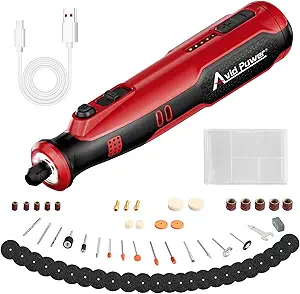
This 3.7V cordless rotary tool with Type-C charging represents a specific class of compact, battery-powered multi-tools ideal for light-duty DIY and crafts. Buyers should understand that its 5-speed variability and 70-piece accessory kit define its primary value proposition for detailed work rather than heavy material removal.
Key Considerations Before Buying
- Assess your power needs: A 3.7V motor like this one excels at precision engraving, polishing, and soft material carving but may struggle with prolonged sanding or cutting dense materials like metal.
- Evaluate the accessory quality: While 70 pieces sounds comprehensive, the actual utility depends on the durability of the collets, mandrels, and the abrasiveness of included sanding drums and cutting wheels.
- Consider ergonomics and runtime: A mini tool should be comfortable for detailed grip; check reviews for mentions of hand fatigue and actual battery life per charge for your intended tasks.
What Our Analysts Recommend
For a kit like this, prioritize mentions of accessory compatibility (standard 1/8" shank) and collet runout (wobble). Genuine reviews often detail which specific accessories wore out quickly versus which performed well, giving you a realistic picture of the kit's true value beyond the piece count.
Rotary Tools Market Context
Market Overview
The cordless rotary tool market is segmented by voltage, with 3.7V-4V models like this one dominating the hobbyist and light craft segment, while 7.2V-12V tools cater to more demanding workshop use. The inclusion of Type-C charging is now a competitive standard for convenience.
Common Issues
Common pitfalls in this segment include underpowered motors that bog down under light pressure, poor collet designs causing bit slippage or wobble, and accessory kits filled with low-quality abrasive bits that dull immediately. Battery longevity over time is also a frequent concern.
Quality Indicators
Look for specifics on speed control consistency—whether the tool maintains RPM under load. Quality is also indicated by a well-balanced body that reduces vibration and a chuck system that securely grips accessories without constant re-tightening.
Review Authenticity Insights
Grade B Interpretation
A 'Grade B' with an 11% estimated fake review rate suggests the majority of the 2,081 reviews are trustworthy, but shoppers should be slightly more vigilant than with an 'A' grade product. The adjusted rating of 4.30 (down from 4.56) is a more reliable performance indicator.
Trust Recommendation
Focus on verified purchase reviews that describe multi-use scenarios over time, not just unboxing. The 11% fake rate means while overall sentiment is likely accurate, be skeptical of overly effusive 5-star reviews lacking specific project details or that seem templated.
Tips for Reading Reviews
For this tool, prioritize reviews discussing specific materials worked on (e.g., 'engraved stainless steel dog tags' or 'sanded balsa wood'), runtime per charge for similar tasks, and long-term durability comments over several months of use.
Expert Perspective
This tool's strong adjusted rating of 4.30/5 from authentic reviews indicates it reliably meets expectations for its niche: light crafting, detailed engraving, and polishing. The 3.7V power is its defining constraint; it's a capable finisher, not a workhorse for heavy stock removal. The value is heavily tied to the accessory kit's usefulness, which reviews suggest is adequate for starters but may require upgrading specific bits for professional results.
Purchase Considerations
Weigh the convenience of cordless operation and Type-C charging against your need for sustained power. If your projects involve more than 15-20 minutes of continuous use per session or hard materials like thick acrylic or steel, a corded or higher-voltage cordless model might be necessary. This kit is best for intermittent, precision-focused tasks.
Comparing Alternatives
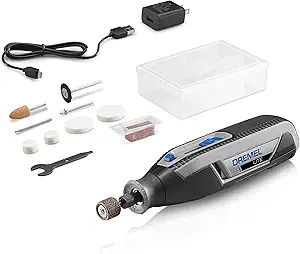
Shoppers should compare voltage, accessory quality, and ergonomics with similar 4V-class tools from brands like Dremel (Micro 8050) or WEN for a complete market view.