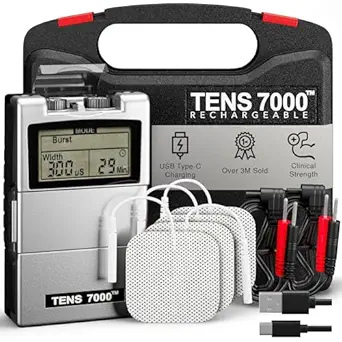
AVCOO 30-Mode TENS/EMS: Decoding Pain Relief Power and Pad Value
When you're shopping for a TENS/EMS unit like the AVCOO 30 Modes, you're not just buying a gadget—you're investing in at-home pain management. With 30 modes and 12 pads, this device promises versatility, but understanding how those modes translate to real relief is key to a satisfying purchase.
Key Considerations Before Buying
- Mode selection matters: 30 modes might seem overwhelming, but they're designed to target different pain types (sharp, dull, chronic) and muscle groups. Look for units that let you easily cycle through programs and adjust intensity (mA) and pulse width to find what feels effective, not just strong.
- Pad quality and longevity: With 12 pads included, the AVCOO offers great initial value, but electrode pads are consumable—they lose stickiness over time. Check if replacement pads are affordable and readily available, and consider how long each set typically lasts with regular use.
- EMS vs. TENS: This unit combines both. TENS is for pain relief (nerve-level), while EMS is for muscle stimulation (contraction/relaxation). Ensure the device clearly labels which modes are which, so you're using the right therapy for your goal—relief vs. recovery.
What Our Analysts Recommend
A quality TENS/EMS unit should have a clear, backlit display and intuitive controls, so you can adjust settings without fumbling during a session. Also, check for dual-channel output—this allows you to use four pads simultaneously, covering larger areas like your back. And don't overlook power: a device with a strong enough output (typically 100mA+ on high) will be more effective for deeper pain.
Muscle Stimulators & Accessories Market Context
Market Overview
The home muscle stimulator market has exploded with budget-friendly, feature-rich devices. Brands like AVCOO compete with established names like Omron and AUVON, offering more modes and accessories at a lower price point. This makes it accessible, but also means you need to look closely at build quality and real-world performance.
Common Issues
A frequent complaint in this category is that some devices have a weak current output or thin, poorly-adhesive pads that don't stay put on the skin. Another issue is that many 'modes' are just slight variations of the same pulse pattern, which can feel gimmicky. Users also often report that batteries die quickly if the device isn't designed for efficiency.
Quality Indicators
Look for devices with a durable, portable design and a battery that holds a charge for many sessions. Quality is also evident in the pad connectors—they should snap on securely without fraying. In reviews, pay attention to whether users mention that the intensity is 'strong enough' and that pads stick well after multiple uses; these are signs of a well-made unit.
Review Authenticity Insights
Grade B Interpretation
The AVCOO's Review Authenticity Grade of B, with an estimated 10% fake review rate, is encouraging. It suggests that the vast majority of the 5,123 ratings are from real, verified buyers. While a 10% fake rate isn't zero, it's low enough that the overall 4.67-star rating is likely a reliable indicator of user satisfaction, especially when compared to the adjusted 4.40 rating, which still shows strong approval.
Trust Recommendation
Given the B grade, you can generally trust the positive feedback on this unit. However, it's wise to read a handful of the 3- and 4-star reviews to get a balanced perspective. These often highlight minor flaws, like the remote's range or the learning curve for setting up the modes, which are less likely to be mentioned in overly positive reviews.
Tips for Reading Reviews
For this product, focus on reviews that describe specific use cases—like using it for sciatica, post-workout recovery, or post-surgery pain. Look for mentions of how many sessions the pads last and whether the device feels durable. Be wary of reviews that are overly vague or use generic language like 'great product' without details; these are more likely to be inauthentic.
Expert Perspective
The AVCOO 30 Modes TENS/EMS unit appears to be a solid contender in the budget-to-midrange stimulator market. The high volume of genuine, detailed reviews, combined with a strong adjusted rating of 4.40, suggests that it delivers on its core promise of versatile pain relief. The inclusion of 12 pads is a significant value-add, but the real test is in the device's build quality and how well it maintains a consistent, comfortable pulse at higher intensities—something that often differentiates a good unit from a great one.
Purchase Considerations
Before buying, consider whether you need the full 30 modes or if a simpler unit with fewer, well-designed programs would suffice. If you're new to TENS/EMS, the learning curve might be steeper, but the AVCOO's instructions and presets appear to be user-friendly based on reviews. Also, factor in the cost of replacement pads—they're essential for long-term use, and the 12 included pads are a head start.
Comparing Alternatives
While the AVCOO offers great value, it's worth comparing it with other popular models like the AUVON or Omron to see which one feels more intuitive to you and matches your specific pain relief needs. Don't just rely on star counts—look at the features that matter most for your condition.