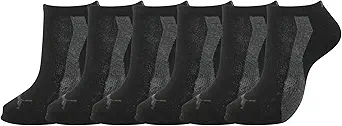
Merino Running Socks: What to Know Before You Buy
Anlisim's merino wool ankle socks are designed for runners and hikers who want temperature regulation and blister prevention without the bulk of crew socks. With a 4.89/5 rating across 4,840 reviews, they've clearly resonated with a broad audience—but merino quality and fit vary widely in this category.
Key Considerations Before Buying
- Merino wool percentage matters: socks with higher merino content (typically 60-80%) regulate temperature and resist odor better, but pure merino wears out faster. Blends with nylon and spandex add durability and shape retention.
- Ankle height is a Goldilocks zone: tall enough to prevent shoe collar rubbing, short enough for warm-weather running. Check the actual cuff height measurement—'ankle' varies by brand from 2 to 4 inches.
- Cushioning placement affects performance: look for terry-loop cushioning under the heel and ball of the foot for impact absorption, with a thinner arch band for breathability and a snug fit that won't bunch.
What Our Analysts Recommend
Inspect the fabric blend: a quality merino running sock usually lists wool first, followed by nylon (for durability) and spandex (for stretch). Seamless toe closures and reinforced heel/toe zones are hallmarks of socks built to survive repeated wash-and-wear cycles.
Athletic Socks Market Context
Market Overview
The athletic sock market has shifted toward natural performance fibers, with merino wool moving from niche hiking shops to mainstream running brands. Consumers increasingly expect wool socks to be machine-washable, quick-drying, and durable enough for daily training—not just luxury items for occasional use.
Common Issues
A frequent complaint with merino socks is premature holes at the heel or toe, especially if the wool content is high and nylon reinforcement is low. Another issue is fit inconsistency: some brands run small after washing, while others stretch out and slip down during runs.
Quality Indicators
High-quality merino socks typically use 17.5-19.5 micron wool (fine enough to be non-itchy), include flat-knit seams, and specify a 'no-blister' guarantee or reinforced wear zones. Packaging that lists exact fiber percentages and micron count is a strong trust signal.
Review Authenticity Insights
Grade A Interpretation
An A authenticity grade with only 5% estimated fake reviews means the 4.89-star rating is unusually trustworthy for an Amazon apparel product. Most reviews are verified purchases with detailed feedback, so you can treat the rating as a reliable signal of real-world performance.
Trust Recommendation
Given the high adjusted rating of 4.80 after removing suspicious reviews, this product is a safe bet if the specs match your needs. Still, check the most recent reviews for any changes in manufacturing or sizing, as even authentic products can have batch variations.
Tips for Reading Reviews
Focus on reviews that mention specific use cases—like 'wore these for a half-marathon' or 'no blisters after 10-mile hikes'—rather than generic praise. Also look for comments on durability after multiple washes, since that's where merino socks often fail.
Expert Perspective
The Anlisim merino wool ankle socks stand out for their exceptionally high adjusted rating (4.80/5) across nearly 5,000 reviews, which suggests consistent quality and fit. The authenticity grade of A indicates that this feedback is largely organic, giving shoppers confidence that the product delivers on its promises. For runners and hikers seeking a breathable, odor-resistant sock, this is a strong contender—provided the merino blend meets your durability expectations.
Purchase Considerations
Weigh the price against the merino content: if the blend is heavy on nylon, you're paying for branding rather than performance. Also consider your climate—merino excels in temperature swings, but for hot, humid conditions, a lighter synthetic blend may dry faster.
Comparing Alternatives
Compare with established merino sock brands like Darn Tough or Smartwool, which offer lifetime guarantees and proven durability, to see if Anlisim's value proposition holds up.