Choosing a Basement Dehumidifier: Capacity, Efficiency, and Real-World Performance
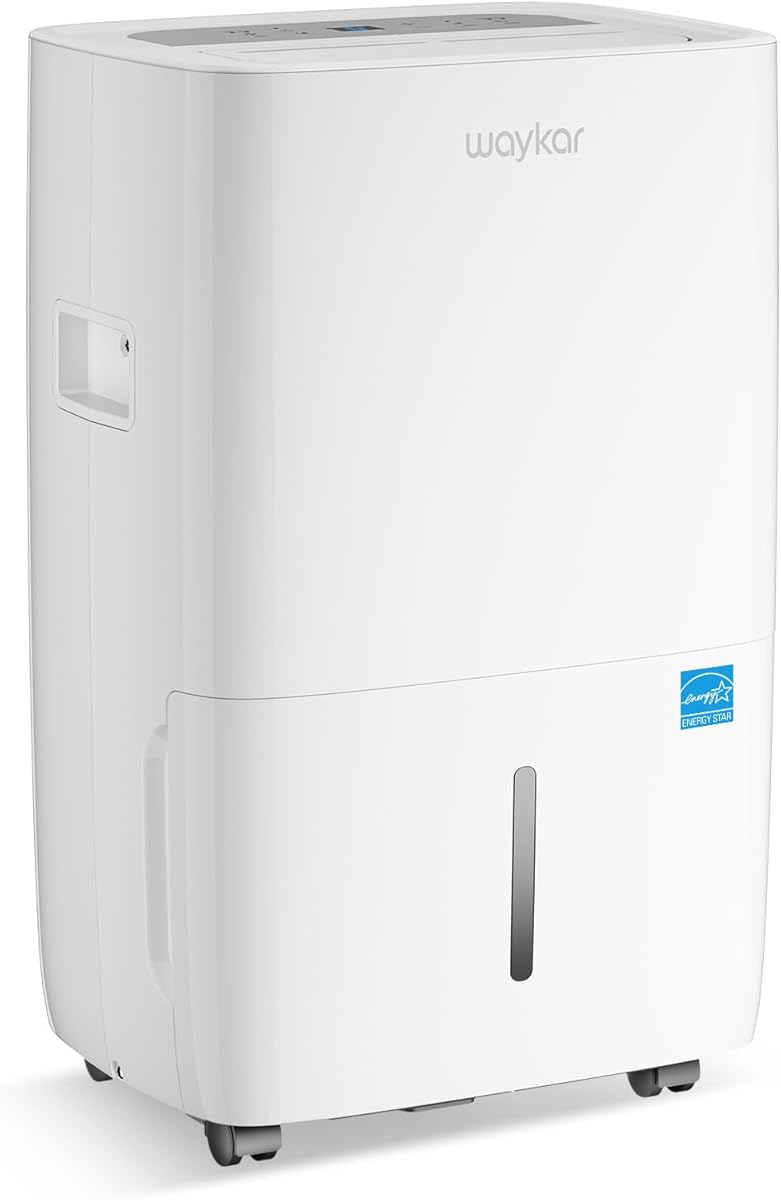
The Waykar 120-pint dehumidifier is designed for large spaces up to 6,000 sq. ft., making it a candidate for whole-basement or crawlspace moisture control. With Energy Star 2025 certification and a high-capacity rating, it promises efficient operation, but buyers should understand how pint ratings and coverage claims translate to real-world conditions.
Key Considerations Before Buying
- Dehumidifier capacity is measured at specific temperature and humidity conditions (typically 80°F and 60% relative humidity); in cooler basements (60-70°F), actual moisture removal drops significantly, so a 120-pint unit may perform closer to 80-90 pints. Match capacity to your basement's square footage, average temperature, and dampness level.
- Energy Star 2025 certification indicates the unit meets updated efficiency standards, which can lower operating costs compared to older models, but efficiency varies by mode and fan speed. Look for integrated humidistat and auto-defrost features, which help maintain efficiency in cooler settings.
- Basement dehumidifiers often run continuously during humid months, so noise level and drainage options matter. Check whether the unit supports gravity drain or a condensate pump, and consider the noise rating (typically around 50-60 dB) if the space is near living areas.
What Our Analysts Recommend
Prioritize units with a clear capacity rating at AHAM conditions, adjustable humidistat, and auto-restart after power outages. Build quality signs include sturdy casters, a washable filter, and copper tubing rather than aluminum. Also verify warranty length—top brands offer 1-year full and 5-year sealed system coverage.
Dehumidifiers Market Context
Market Overview
The dehumidifier market has shifted toward higher-capacity, Energy Star-certified units as homeowners address basement and crawlspace moisture. New refrigerant regulations (like R32) and smart features are emerging, but reliability and customer service remain differentiators. Waykar has gained traction as a budget-friendly alternative to legacy brands, though long-term durability is a common concern.
Common Issues
Frequent complaints in this category include premature compressor failure, refrigerant leaks, and inaccurate humidistats. For high-capacity units, coil freezing in cool basements and ineffective defrost cycles are recurring problems. Also, many brands overstate coverage area—real-world performance depends on air leakage, temperature, and moisture sources.
Quality Indicators
A quality dehumidifier will have a metal housing, accessible coils for cleaning, and a reliable humidistat that cycles the compressor properly. Look for units with a continuous drain option and a pump upgrade. Brands with strong warranty support and readily available parts are safer bets for long-term use.
Review Authenticity Insights
Grade A Interpretation
The Grade A authenticity rating with an estimated 5% fake review rate indicates that the vast majority of the 22,758 reviews are genuine. This is a strong signal, as it means the 4.33-star average (adjusted to 4.20) is likely based on real user experiences, not manipulated feedback. The small percentage of suspicious reviews is within normal bounds for high-volume products.
Trust Recommendation
Given the high review volume and low fake rate, you can trust the overall rating as a reliable indicator of customer satisfaction. However, pay attention to the adjusted rating of 4.20, which accounts for potential outliers; it's still solid but suggests some mixed experiences. Focus on reviews that describe specific use cases (basement size, humidity levels) rather than generic praise.
Tips for Reading Reviews
When reading reviews for this dehumidifier, prioritize those that mention long-term use (6+ months) and include details about performance in different seasons. Look for patterns in complaints—e.g., if multiple reviewers mention coil freezing or noisy operation, that's a real issue. Also, note that some reviews may be incentivized; check for verified purchase badges and detailed narratives.
Expert Perspective
The Waykar 120-pint dehumidifier offers a compelling capacity-to-price ratio for large basements, backed by mostly authentic reviews. Its Energy Star 2025 certification suggests decent efficiency, but the adjusted rating of 4.20 hints at occasional quality control issues. As a newer entrant, Waykar may lack the track record of established brands, but the high review volume provides reasonable confidence.
Purchase Considerations
Before buying, measure your basement's square footage and average humidity—if it's consistently above 60%, this unit's capacity is appropriate. Consider whether you need a built-in pump for drainage, as that adds convenience. Also, check the warranty terms and return policy, since dehumidifiers can be costly to ship for repairs.
Comparing Alternatives
Compare this model with similarly priced 100-120 pint units from brands like hOmeLabs, Frigidaire, and Midea, paying attention to warranty length and customer service reputation.