
Evaluating Smart Baby Monitors: Balancing Health Tracking with Practical Reliability
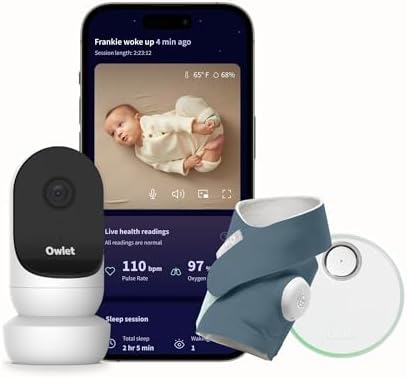
The Owlet Dream Duo (Gen 2) represents a specific hybrid approach in baby monitoring, combining a traditional HD video camera with a wearable sock that tracks physiological data. Buyers should understand this bundle addresses two distinct needs: visual monitoring and health metric tracking, which introduces unique considerations compared to standard video-only monitors. The integration of pulse oximetry through a wearable sock places this product in a specialized FDA-cleared medical device category, not just consumer electronics.
Key Considerations Before Buying
- The wearable sock's sizing and fit are critical—improper fit can cause false alarms or failed readings, a common complaint in reviews for this specific Gen 2 model.
- This system requires both Wi-Fi and Bluetooth connectivity simultaneously; evaluate your home network reliability as dropouts affect both the camera stream and sock data sync.
- Consider your tolerance for alert sensitivity—the oxygen and heart rate monitoring is designed to detect subtle changes, which some parents find reassuring while others find anxiety-inducing.
What Our Analysts Recommend
For this specific product type, examine reviews mentioning the 'Base Station' light notifications and app stability over time. Quality indicators include consistent sock connectivity through an entire night and the camera's ability to maintain a clear infrared image without requiring frequent reboots. Look for mentions of how the system handles firmware updates, as these can significantly impact performance.
Smart Monitors Market Context
Market Overview
The smart baby monitor market has bifurcated into basic video/audio devices and advanced health-tracking systems like the Owlet Dream Duo. Following FDA clearance for the sock's oxygen monitoring, these products occupy a niche between consumer electronics and medical devices, with fewer direct competitors than standard monitors. Current offerings emphasize ecosystem integration, with apps serving as the central hub rather than dedicated parent units.
Common Issues
Connectivity remains the primary challenge, particularly maintaining simultaneous Bluetooth (for the sock) and Wi-Fi (for camera and data sync) connections without interference. Battery performance degradation in wearable components and app notification delays during phone sleep modes are frequent pain points. Parents also report variability in alarm accuracy, with some devices being overly sensitive to normal movement.
Quality Indicators
In health-tracking monitors, consistent sensor placement and minimal false positives distinguish quality. Look for devices with medical-grade sensor validation, not just consumer claims. Robust app design with clear data visualization and configurable alert thresholds indicates thoughtful engineering. Physical build quality matters—the sock should withstand nightly use and laundering while maintaining sensor integrity.
Review Authenticity Insights
Grade B Interpretation
A Grade B authenticity rating with 15% estimated fake reviews suggests generally reliable feedback but warrants careful scrutiny. For this specific product, the adjusted rating dropping from 3.44 to 3.20 indicates that suspicious reviews were slightly more positive than authentic ones. This pattern is common in premium baby products where brands may incentivize early positive reviews.
Trust Recommendation
Focus on reviews discussing specific technical interactions—mentions of Bluetooth pairing issues, base station light sequences, or app navigation problems indicate genuine use. Be skeptical of reviews that praise the product generically without mentioning the dual-system setup or sock sizing challenges. Given the medical aspect, prioritize reviews from parents who describe actual health monitoring scenarios rather than just unboxing experiences.
Tips for Reading Reviews
For this hybrid monitor system, seek reviews that address both components separately—the camera's performance and the sock's reliability. Look for detailed accounts spanning weeks or months, as connectivity issues often emerge after initial setup. Pay particular attention to reviews mentioning customer service interactions regarding the FDA-cleared sock, as these reflect real-world support experiences.
Expert Perspective
The Owlet Dream Duo (Gen 2) presents a compelling but specialized solution best suited for parents specifically seeking physiological monitoring, not just video surveillance. The 3.20 adjusted rating reflects genuine user experiences balancing appreciation for health insights against technical frustrations. This product excels when the sock fits perfectly and home network conditions are ideal, but suffers from reliability complaints in suboptimal conditions. The integration represents genuine innovation but introduces complexity that standard monitors avoid.
Purchase Considerations
Weigh whether the health metrics provide actionable value for your family or unnecessary anxiety. Consider your technical comfort level—this system requires more setup and troubleshooting than basic monitors. Factor in the ongoing cost of replacement socks as your baby grows, and verify your phone's compatibility with Owlet's app requirements for continuous monitoring.
Comparing Alternatives
Shoppers should compare this bundle's specific health-tracking approach against simpler video monitors or dedicated medical devices if oxygen monitoring is medically indicated.


