Choosing a 1.75-Amp Smart Charger: What Matters for Multi-Vehicle Maintenance
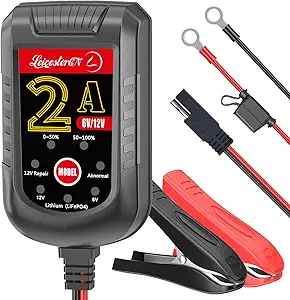
A 1.75-amp smart charger like this model represents a specific tool for long-term battery maintenance rather than quick recovery. Its value lies in its fully automatic profile, 6V/12V versatility, and desulfation capability, making it ideal for seasonal vehicles, motorcycles, and equipment that sits unused. Buyers should understand its role as a maintainer and slow charger, not a high-amperage jump starter.
Key Considerations Before Buying
- The 1.75-amp output is perfect for trickle charging and maintaining batteries but will take 12+ hours to charge a deeply discharged car battery; assess if your primary need is recovery or prevention.
- Verify compatibility with your battery types—this unit specifies 'Lead Acid,' which includes standard flooded, AGM, and gel cell batteries common in cars, boats, and lawn equipment, but not lithium.
- The 'fully automatic' claim should include multi-stage charging (bulk, absorption, float) and automatic voltage detection to prevent overcharging, which is critical for unattended, long-term maintenance.
What Our Analysts Recommend
Quality in this category is indicated by clear status LEDs or a display that shows charging mode (e.g., bulk, maintenance, desulfation), robust alligator clips or ring terminals, and spark-proof technology. A genuine smart charger should automatically switch to a float/maintenance mode once the battery is full, a key feature this product emphasizes.
Battery Chargers Market Context
Market Overview
The market for low-amp smart maintainers is crowded, with many products offering similar specs, making build quality, safety features, and reliability the true differentiators. These chargers have evolved from simple transformers to microprocessor-controlled devices with recovery modes for sulfated batteries.
Common Issues
Common problems include units that fail to switch modes properly, leading to under or overcharging, fragile alligator clips that break, and confusing indicator lights that don't accurately reflect battery state. Some chargers also struggle with recognizing deeply discharged batteries below a certain voltage threshold.
Quality Indicators
Look for ETL or UL certification for safety, a detailed manual explaining error codes, and a housing rated for outdoor/marine use if needed. A higher-quality unit will use a true multi-stage algorithm and have components like a cooling fan or heat sink to manage prolonged operation.
Review Authenticity Insights
Grade B Interpretation
A Grade B with a 10% estimated fake review rate suggests a generally trustworthy review pool with minor manipulation. For this product, it means the high 4.56-star rating is slightly inflated but still reflects strong genuine satisfaction, as the adjusted 4.30 rating remains excellent for this category.
Trust Recommendation
Focus on the verified purchase reviews, particularly the 4- and 3-star feedback, which often details specific use cases like maintaining a classic car or motorcycle over winter—these provide the most realistic performance insights. The high number of reviews (over 4,300) adds statistical weight to the consensus.
Tips for Reading Reviews
Prioritize reviews that mention long-term use (e.g., 'used for 6 months on my boat') and specify the battery type and condition. Be wary of overly vague 5-star reviews; instead, look for detailed accounts of how the charger handled a deeply discharged lawn mower battery or its performance in cold weather.
Expert Perspective
This charger's profile—1.75 amps, multi-voltage, with desulfation—positions it as a competent maintenance tool for consumers with multiple small engines or seasonal vehicles. The strong adjusted rating of 4.30 from thousands of verified purchases indicates it reliably performs its core functions. Its value is highest for those seeking a 'set it and forget it' solution to prevent battery drain during storage, not for reviving dead batteries quickly.
Purchase Considerations
Weigh the 1.75-amp output against your patience; charging a large, dead marine battery could take a full day. Consider if you need the 6V capability for older motorcycles or classic cars. The desulfator function is a valuable bonus for recovering slightly neglected batteries but has limits on severely degraded ones.
Comparing Alternatives
Shoppers should compare amp ratings (2-3 amp models offer slightly faster charging), physical connection types, and warranty length against similar-priced smart chargers from brands like NOCO or Battery Tender.