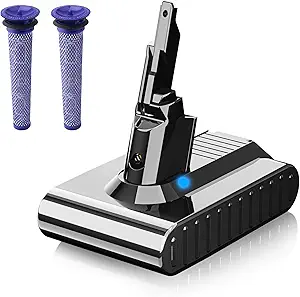
Dyson V8 battery adapters convert DeWalt power but require careful compatibility checks
This TPDL adapter allows Dyson V8 owners to power their vacuum with DeWalt 20V MAX batteries, potentially extending runtime significantly. However, this third-party solution requires precise alignment with your specific V8 model and DeWalt battery type, as the product title indicates compatibility only with the V8 series.
Key Considerations Before Buying
- Verify your exact Dyson V8 model matches the 'Animal Absolute Fluffy Motohead Extra Trigger Car+boet' variants listed, as subtle differences in connector placement can prevent proper seating.
- Confirm your DeWalt batteries are the 20V MAX platform (not 20V XR or other variants) and check physical clearance, as some battery housings may interfere with the vacuum's handle.
- Understand that this adapter bypasses Dyson's proprietary battery management system, potentially exposing your DeWalt batteries to different discharge profiles than intended.
What Our Analysts Recommend
Quality indicators include secure locking mechanisms that prevent battery wobble during use and proper insulation around electrical contacts. Look for reviews mentioning consistent power delivery without intermittent cutoffs, which suggests solid internal connections.
Batteries Market Context
Market Overview
The aftermarket battery adapter niche has grown as Dyson vacuum owners seek alternatives to expensive OEM battery replacements, with products ranging from simple connectors to integrated voltage regulators. These adapters typically target power tool battery ecosystems like DeWalt, Makita, or Ryobi.
Common Issues
Users frequently report fitment problems where the adapter doesn't seat properly in the vacuum's battery compartment, or voltage sag under load causing the vacuum to shut off prematurely. Another recurring issue is the lack of low-voltage protection for the DeWalt battery, risking deep discharge damage.
Quality Indicators
Higher-quality adapters incorporate voltage stabilization circuits to maintain consistent 21.6V output (matching Dyson's specification) from the DeWalt battery's nominal 20V. Check for mentions of robust plastic housing that withstands insertion/removal cycles without cracking.
Review Authenticity Insights
Grade B Interpretation
A Grade B with 11% estimated fake reviews suggests mostly authentic feedback but with some potentially manipulated content. The adjusted rating dropping from 3.67 to 3.50 indicates that suspicious reviews were slightly more positive than genuine ones.
Trust Recommendation
Focus on verified purchase reviews that mention specific DeWalt battery models (like DCB205 or DCB203) and describe actual runtime comparisons. Be skeptical of reviews that don't mention which V8 variant they own, as compatibility is model-specific.
Tips for Reading Reviews
Prioritize reviews discussing runtime measurements (minutes per battery charge) and physical fit details. Look for patterns in negative reviews—if multiple users mention the same fitment issue with a particular V8 model, that's a significant red flag.
Expert Perspective
This adapter represents a cost-effective solution for V8 owners who already invest in the DeWalt 20V ecosystem, potentially offering longer runtime than OEM batteries. However, the 3.5/5 adjusted rating reflects real-world reliability concerns, particularly regarding consistent electrical connections and physical compatibility. The product's value depends heavily on the specific combination of vacuum model and battery type you own.
Purchase Considerations
Weigh the convenience of using existing DeWalt batteries against potential warranty implications for both devices. Consider whether you need extended runtime for large cleaning sessions or simply want backup power options. The adapter makes most sense for users with multiple DeWalt batteries who can rotate them during extended use.
Comparing Alternatives
Shoppers should compare this adapter's compatibility claims with similar products, noting that some competitors offer adapters with integrated voltage displays or low-voltage cutoff circuits.