
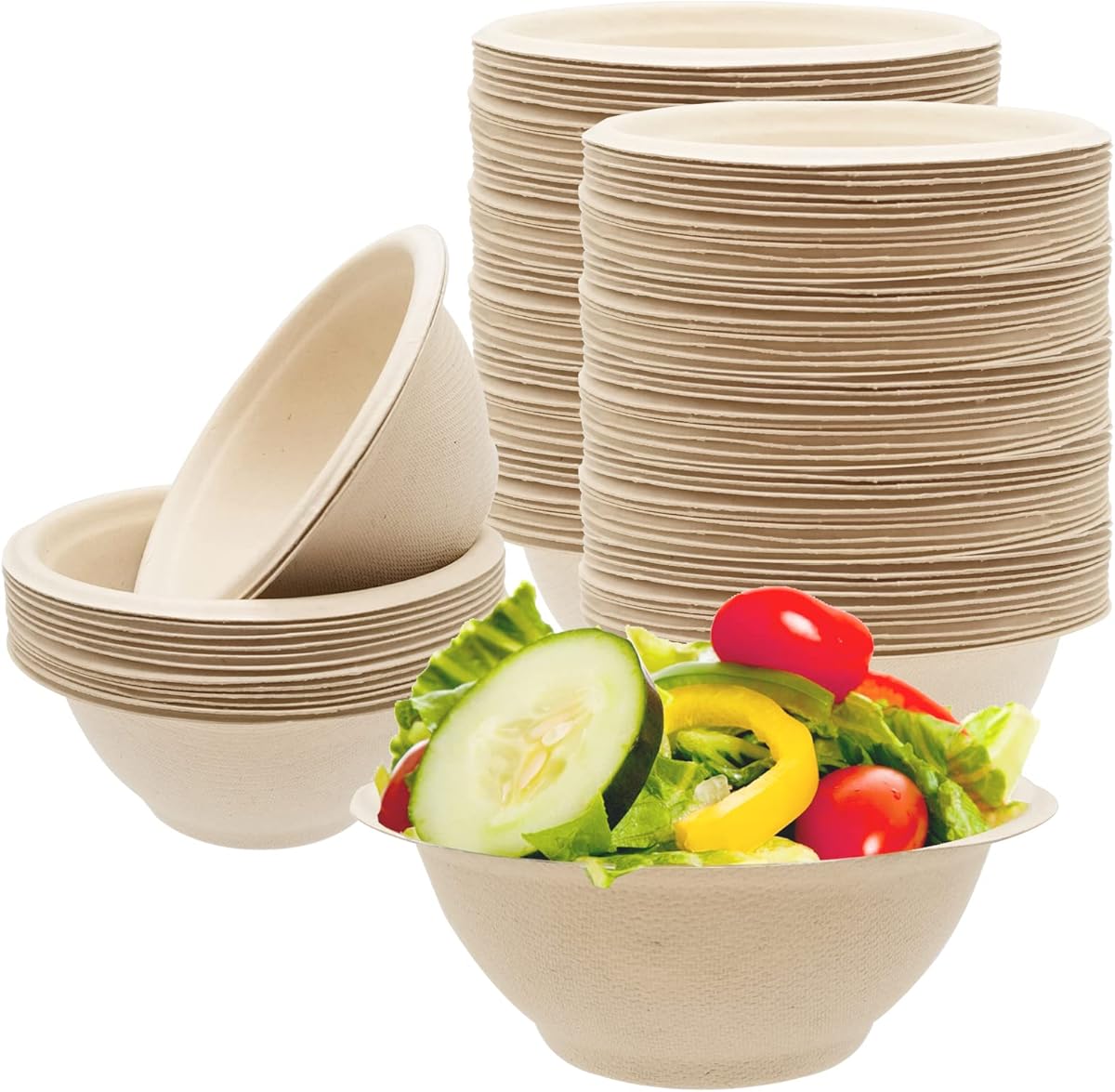
8oz Bagasse Bowls: The Smart Eco-Friendly Choice for Hot & Cold Meals
When you're stocking up on disposable bowls, the 8oz size is a versatile sweet spot—perfect for soups, snacks, and desserts. This 100-pack from the bagasse (sugarcane fiber) category promises compostability and heat resistance, but not all eco-friendly bowls perform equally. Here’s what you need to know before adding them to your cart.
Key Considerations Before Buying
- Size matters: 8oz is ideal for single servings of soup, cereal, or ice cream, but it's too small for pasta or salad mains—check your typical portion sizes to avoid disappointment.
- Heat and moisture: Bagasse bowls handle hot foods well, but extended contact with very liquid-heavy meals (like chili) can weaken the fibers, so consider a liner or quick serving for extra-saucy dishes.
- Eco-credentials: Look for certifications like BPI or 'home compostable' to ensure the bowls actually break down as promised. Not all 'compostable' claims are equal in home compost bins.
What Our Analysts Recommend
Quality bagasse bowls should feel rigid and sturdy, with no visible cracks or thin spots. Check for a smooth, food-safe coating that resists grease and moisture—this is often the difference between a soggy mess and a reliable serving vessel. Also, verify the pack's total weight; heavier bowls (around 8-10 grams each) typically indicate better durability.
Bowls Market Context
Market Overview
The disposable tableware market is shifting rapidly toward plant-based materials like bagasse, driven by consumer demand for sustainable alternatives to plastic and foam. With 8oz being a common size for takeout containers and event catering, the competition is fierce, with brands differentiating on durability, design, and price per unit.
Common Issues
A frequent complaint across bagasse bowls is their tendency to become soft or leak with very hot or acidic foods, despite marketing claims. Another issue is inconsistent sizing—some bowls are shallower than expected, leading to spills. Finally, 'greenwashing' is rampant, with some products labeled 'biodegradable' but not truly home-compostable.
Quality Indicators
Top-tier bagasse bowls are molded evenly with a uniform texture and no rough edges. They should resist bending under moderate pressure and maintain structural integrity for at least 30 minutes with hot soup. Also, reputable brands often provide clear disposal instructions and certifications, which is a good sign of transparency.
Review Authenticity Insights
Grade B Interpretation
With a Grade B and an estimated 10% fake reviews, this product's rating is mostly trustworthy, but a small fraction of reviews may be incentivized or exaggerated. The adjusted rating of 4.40 (down from 4.67) suggests that genuine experiences are slightly less glowing, likely due to isolated durability issues or size mismatches.
Trust Recommendation
You can generally trust the positive feedback, but focus on reviews that mention specific use cases (e.g., 'used for chili at a party') and look for any recurring complaints about leaks or flimsiness. Ignore overly generic praise and always cross-check the 1-star reviews for patterns that could indicate a real flaw.
Tips for Reading Reviews
For disposable tableware, prioritize reviews from buyers who used the bowls with hot, liquid-heavy foods, as these stress-test the material. Also, check if any reviewers mention the bowls being 'too small'—this is a common misconception about 8oz size. Photos of the bowls in use are especially valuable for judging actual capacity and sturdiness.
Expert Perspective
This 100-pack of 8oz bagasse bowls represents a solid, eco-conscious choice for households and events that need a mid-sized disposable option. The 4.4 adjusted rating indicates good performance, but the 10% fake review rate and minor durability concerns suggest you should temper expectations for heavy-duty use. The bowls are best suited for soups, snacks, and desserts where a short serving time is typical.
Purchase Considerations
Weigh the cost per bowl against your usage frequency—if you host large gatherings regularly, this pack offers value, but for occasional use, a smaller pack might suffice. Also, consider your disposal method: if you don't have access to industrial composting, these bowls may still break down in a home pile, but it will take longer. Be ready to handle very saucy foods with care to avoid leaks.
Comparing Alternatives
Before committing, compare with similar bagasse bowl packs from other brands, especially checking wall thickness and any coating claims. Some competitors offer reinforced designs for better moisture resistance, which might justify a slightly higher price.


