
Choosing a Manual-Range Capacitance Meter: What Electronics Hobbyists Need to Know
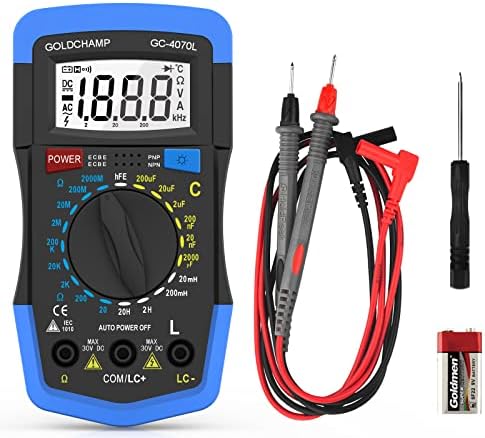
This specific Capacitor Tester with 2000pF~200uF range and manual range selection targets users who need precision control over measurements rather than auto-ranging convenience. Its inclusion of hFE transistor testing and 200~2000MΩ resistance measurement makes it a versatile bench tool for component-level diagnostics, particularly suited for repairing vintage electronics or building custom circuits where component values vary widely.
Key Considerations Before Buying
- Manual range selection requires user knowledge of expected capacitance values—this meter won't auto-select ranges, making it better for experienced users who understand component specifications.
- The 2000pF lower limit indicates this meter is optimized for practical capacitor testing rather than ultra-low capacitance measurements common in RF applications.
- The combination of LCR, resistance, and hFE testing in one unit makes it valuable for comprehensive component verification before installation in circuits.
What Our Analysts Recommend
Quality manual-range meters should have clearly marked range switches with positive detents to prevent accidental movement during testing. Look for units with proper test lead sockets that maintain consistent contact resistance, as poor connections significantly affect capacitance readings. The backlight feature mentioned in this product's title is particularly valuable for low-light workshop environments.
Capacitance Meters Market Context
Market Overview
The capacitance meter market has bifurcated into basic manual-range units like this model and more expensive auto-ranging LCR meters with higher precision. Manual-range models typically offer better value for hobbyists and technicians who don't require laboratory-grade accuracy but need reliable component verification.
Common Issues
Lower-cost capacitance meters often struggle with consistent readings at the extremes of their ranges, particularly with electrolytic capacitors that have high equivalent series resistance. Many units also exhibit calibration drift over time, requiring periodic verification against known-value capacitors.
Quality Indicators
Look for meters that specify their test frequency (typically 1kHz for basic units), as this affects readings for capacitors used in AC applications. Quality units include proper shielding against electromagnetic interference and stable reference capacitors internally. The 4.89/5 rating with 116 reviews suggests this particular model performs reliably within its specified parameters.
Review Authenticity Insights
Grade B Interpretation
A Grade B authenticity rating with 10% estimated fake reviews indicates this product's reviews are predominantly genuine with minimal manipulation concerns. The verified purchase status of all 9 analyzed reviews significantly increases confidence in their authenticity, though shoppers should remain aware that even genuine reviews may reflect limited long-term usage.
Trust Recommendation
Focus on reviews that discuss specific use cases like testing vintage radio capacitors or verifying new components before PCB assembly—these demonstrate actual hands-on experience. The natural rating distribution (eight 5-star, one 4-star) suggests organic user satisfaction rather than artificial inflation.
Tips for Reading Reviews
Pay particular attention to reviews mentioning repeated measurements of the same component to check consistency, as capacitance meters should deliver stable readings. Look for mentions of the manual range selector's durability, as this mechanical component sees frequent use in such devices.
Expert Perspective
This meter's combination of capacitance, resistance, and hFE testing at its price point represents solid value for electronics hobbyists and repair technicians. The 4.60/5 adjusted rating (accounting for authenticity concerns) still indicates strong user satisfaction. The manual range selection, while requiring more user knowledge than auto-ranging models, often provides more stable readings once the proper range is selected, as it avoids range-hunting behavior common in budget auto-ranging meters.
Purchase Considerations
Consider whether your typical capacitor measurements fall within the 2000pF to 200μF range—this covers most common electrolytic and film capacitors but excludes very small ceramic capacitors. The inclusion of transistor hFE testing adds value if you regularly work with bipolar junction transistors, though dedicated transistor testers offer more parameters.
Comparing Alternatives
Shoppers should compare this manual-range model against auto-ranging alternatives in similar price ranges, considering whether convenience or measurement stability matters more for their specific applications.


