
Choosing a Single Forearm Crutch: What Mobility Users Need to Know
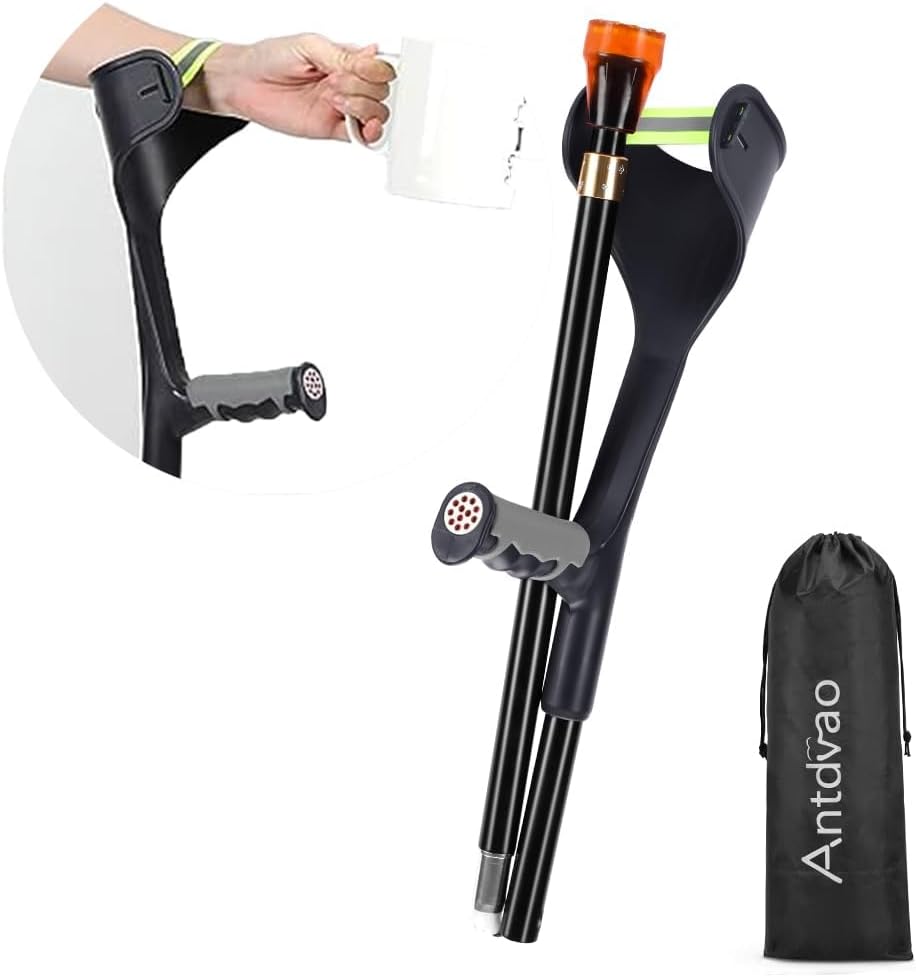
When selecting a single forearm crutch, particularly this specific aluminum model with an anti-drop cuff, buyers must prioritize fit, stability, and long-term comfort. This product's lightweight adjustable design and single-unit sale make it suitable for specific unilateral mobility needs, not full bilateral support.
Key Considerations Before Buying
- The single-unit sale means this is for users who need support on only one side, such as for a foot/ankle injury or post-stroke weakness, not for those requiring a pair for full non-weight-bearing mobility.
- The adjustable height (typically 28"-36") and forearm cuff must be precisely fitted to your anatomy to prevent nerve compression in the armpit or strain on the wrist and hand.
- The anti-drop cuff mechanism is a critical safety feature; ensure it securely locks to prevent the crutch from falling if you need to use your hand temporarily.
What Our Analysts Recommend
For a forearm crutch, examine the cuff pivot point for smooth, secure rotation and check that the push-button height adjustment locks firmly without slippage. Quality is indicated by reinforced stress points at the handle and cuff bracket, and a durable, non-slip handgrip and ferrule (rubber tip).
Crutches Market Context
Market Overview
The forearm crutch market is segmented between basic tubular aluminum models like this one and premium ergonomic designs with anatomical grips and shock absorption. Single crutch sales cater to a distinct need for unilateral support, often post-injury.
Common Issues
Common problems include poorly designed cuffs that pinch or fail to secure, height adjustment mechanisms that slip under load, and handgrips that degrade quickly with daily use, compromising safety and comfort.
Quality Indicators
Look for aircraft-grade aluminum construction (like 6061-T6), a double-walled or reinforced cuff attachment, and a handle with a durable, textured polymer or foam covering that wicks moisture. The ferrule should be a replaceable, high-durometer rubber.
Review Authenticity Insights
Grade B Interpretation
A Grade B with an 11% estimated fake review rate suggests the vast majority of feedback is trustworthy, but shoppers should be slightly more critical of overly effusive 5-star reviews lacking detail. The adjusted rating of 4.60 is a strong, reliable indicator of performance.
Trust Recommendation
Focus on the detailed 4- and 5-star reviews that mention specific use cases like 'post-ankle surgery' or 'MS fatigue,' as these contain verified experiential insights. The high authentic rating indicates real user satisfaction with features like the anti-drop cuff and lightweight feel.
Tips for Reading Reviews
Prioritize reviews discussing long-term use (weeks/months) and those that mention both pros and minor cons, like handle comfort over time. Reviews noting precise height adjustment and stability on various surfaces offer the most actionable insights.
Expert Perspective
This product's exceptionally high authentic rating (4.60) from over 200 reviews indicates it reliably meets core user needs for a single, adjustable forearm crutch. The consistent praise for its lightweight aluminum build and effective anti-drop cuff suggests it performs well within its design scope for unilateral mobility aid. The feedback pattern points to a product that delivers on its key promises of adjustability and basic stability.
Purchase Considerations
Weigh this single crutch's value if your need is truly unilateral and temporary; for permanent or bilateral needs, a professionally fitted pair is essential. Consider if the standard handgrip will suffice, or if you may need to add aftermarket padding for all-day comfort.
Comparing Alternatives
Shoppers should compare cuff design, weight, and warranty with similar single forearm crutches from brands like Vive or Drive Medical.


