Smart Scale Selection: Balancing Multi-Metric Tracking with Measurement Accuracy
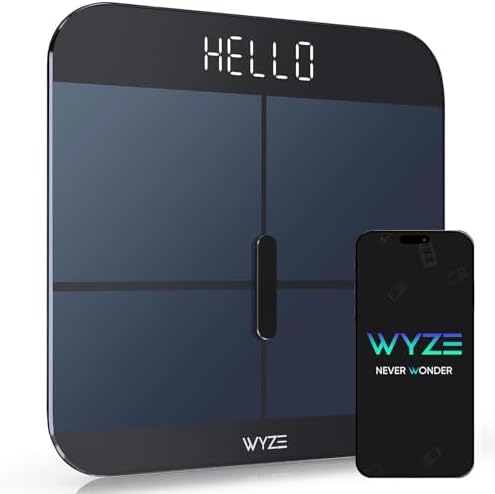
The Wyze Smart Scale X promises comprehensive body composition tracking beyond basic weight measurement, including body fat percentage, muscle mass, and even heart rate. Buyers should understand that while these additional metrics offer valuable health insights, their accuracy depends heavily on bioelectrical impedance analysis (BIA) technology and consistent measurement conditions. This scale's ability to sync with health apps and track multiple users adds convenience but requires evaluating whether its specific feature set matches your health monitoring goals.
Key Considerations Before Buying
- Bioelectrical impedance accuracy varies significantly based on hydration levels, time of day, and skin contact quality—the Wyze Scale X's body fat readings may fluctuate 3-5% daily even under ideal conditions.
- The inclusion of heart rate monitoring via foot sensors is unusual for bathroom scales and may provide less consistent readings than dedicated wrist-based monitors, particularly for users with poor circulation or cold feet.
- Multi-user tracking with automatic recognition works well for distinct body compositions but can struggle with similar-weight household members, potentially mixing data between profiles.
What Our Analysts Recommend
Quality smart scales demonstrate consistent weight measurements (±0.2 lb variation) across multiple weigh-ins and maintain stable Bluetooth/Wi-Fi connectivity for automatic sync. The Wyze Scale X's glass platform should feel substantial (not hollow) and provide immediate, stable readings without the 'dancing numbers' common in cheaper scales. Check that companion apps offer meaningful trend analysis rather than just data storage.
Digital Market Context
Market Overview
The smart scale market has evolved from simple Bluetooth-connected weight trackers to comprehensive health hubs claiming to measure everything from bone mass to visceral fat. Current offerings range from basic $25 models to $150+ medical-grade devices, with Wyze positioning itself in the affordable feature-rich segment. Most scales now offer app integration with Apple Health, Google Fit, or proprietary ecosystems, creating both convenience and potential data privacy considerations.
Common Issues
Bioelectrical impedance measurements frequently show significant variance compared to DEXA scans or professional caliper tests, particularly for athletes, pregnant women, or individuals with pacemakers. Connection reliability remains problematic across brands, with many users reporting failed syncs after firmware updates or app changes. Scale surfaces often become slippery when wet, creating safety concerns in bathroom environments.
Quality Indicators
Superior smart scales use four-point electrode systems (like the Wyze Scale X) rather than two-point systems for more accurate impedance readings. Look for scales with auto-calibration features and high-weight capacity (400 lbs here) that maintain accuracy throughout their range. Quality companion apps should provide clear explanations of how metrics are calculated and what factors affect their reliability.
Review Authenticity Insights
Grade C Interpretation
The Grade C authenticity rating and 28% estimated fake review percentage indicate substantial review manipulation concerns for the Wyze Smart Scale X. This suggests nearly 1 in 3 reviews may be inauthentic, artificially inflating the apparent 4.44-star rating to a more realistic 3.80-star adjusted rating. Such manipulation typically focuses on praising specific features while downplaying common user frustrations.
Trust Recommendation
Focus on verified purchase reviews discussing specific usage scenarios like morning weigh-in routines, multi-user household experiences, or comparison with other measurement methods. Be particularly skeptical of reviews emphasizing only the scale's appearance or packaging rather than long-term performance with body composition metrics. The significant rating drop after authenticity adjustment suggests prioritizing 3-4 star reviews that often contain balanced assessments.
Tips for Reading Reviews
Search for reviews mentioning specific measurement inconsistencies, particularly around body fat percentage variations of more than 2% day-to-day or heart rate discrepancies compared to other devices. Pay attention to reviews discussing app connectivity issues after several months of use, as these often reveal firmware or compatibility problems that don't appear immediately. Look for detailed accounts of setup difficulties with health app integrations, which are common pain points with smart scales.
Expert Perspective
The Wyze Smart Scale X represents a feature-dense offering at a competitive price point, but its authenticity concerns and adjusted 3.80 rating suggest performance may not match marketing claims for all users. The inclusion of heart rate monitoring and pet/baby modes expands its use cases beyond typical smart scales, though these niche features may not justify potential accuracy trade-offs. The scale's strongest value proposition lies in consistent weight tracking and basic body composition trends rather than clinical-grade measurements, making it suitable for general wellness monitoring rather than medical or athletic training purposes.
Purchase Considerations
Consider whether you truly need the heart rate and pet tracking features, or if a simpler smart scale would better serve your primary weight and BMI monitoring needs. Evaluate your tolerance for measurement variability—if precise body fat percentages are crucial, you may need a higher-end scale or supplemental measurement methods. The connectivity features are most valuable for users already invested in health app ecosystems who will consistently sync and review their data rather than just occasionally checking numbers on the scale display.
Comparing Alternatives
Shoppers should compare the Wyze Scale X's feature set against similarly priced competitors like the Withings Body+ or Eufy Smart Scale, paying particular attention to app functionality and long-term reliability reports.