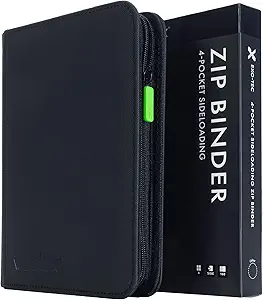
Choose the Right 9-Pocket Binder to Protect Your Valuable Card Collection
When you're investing in trading cards—whether MTG, Pokémon, or sports—storage is just as critical as the cards themselves. A 9-pocket binder with 540 double-sided pockets offers ample room, but not all binders are created equal. This guide focuses on key features to safeguard your collection from damage.
Key Considerations Before Buying
- Pocket fit and sleeve quality: Look for pockets that hold cards snugly without forcing them, as oversized pockets let cards slide and get scratched. The best binders use acid-free, archival-safe polypropylene sleeves that don't stick to your cards over time.
- D-ring vs. strap design: A D-ring binder allows pages to lie flat and prevents pages from bending at the spine, which can damage cards. Strap binders can be convenient but may flex and cause edge wear.
- Zipper closure and cover material: A full-length zipper protects cards from dust and accidental spills, while the PU leather cover should feel durable and not too stiff. Check that the zipper runs smoothly and doesn't catch on pages.
What Our Analysts Recommend
Examine the stitching and reinforcement around the zipper and spine—these are stress points that often fail in cheaper binders. Also, test how many cards fit per pocket: a true 9-pocket page holds standard 2.5' x 3.5' cards without bulging. Finally, ensure the binder lies flat when open to avoid stress on the cards' corners.
Albums Market Context
Market Overview
The trading card market has seen a resurgence, driving demand for high-capacity, protective storage solutions. Binders with 540+ pockets are popular among collectors who want to display entire sets or collections in a single volume, and the market now offers a wide range of materials and price points.
Common Issues
Many budget binders use low-quality PVC sleeves that can leach plasticizers, causing cards to yellow or become sticky. Others have flimsy zippers that break after a few months, or pages that don't lie flat due to poor binding, leading to bent cards.
Quality Indicators
Look for binders that specify 'acid-free' and 'archival-safe' in the materials. A sturdy, reinforced spine and a zipper that feels smooth and substantial are good signs. Also, check if the binder stands upright on a shelf without slouching—a sign of strong construction.
Review Authenticity Insights
Grade B Interpretation
The Grade B and 10% estimated fake review percentage indicate that while most reviews are genuine, a small fraction may be incentivized or unverified. This is common in popular card accessories, where sellers sometimes post promotional reviews. The adjusted rating of 4.60 (vs. 4.89) reflects a more conservative view, but still shows strong satisfaction.
Trust Recommendation
You can generally trust the positive feedback, but pay attention to critical reviews that mention specific flaws (like zipper issues or pocket durability). Given the low fake rate, the product likely performs as described, but it's wise to purchase from a reputable seller or brand with a return policy.
Tips for Reading Reviews
Focus on reviews that include photos or describe long-term use (after 3+ months). For binders, watch for complaints about page curling, zipper catching, or cards sticking—these signal real-world problems. Also, compare the ratio of 4-5 star reviews to 1-3 star reviews; a high number of 5-star reviews with little text may be less reliable.
Expert Perspective
This 9-pocket binder appears to be a solid choice for collectors who need high capacity and protective storage. The 4.89 rating, even after adjustment, suggests consistent quality. The specific mention of a zipper and PU leather cover aligns with what experts look for in durable binders. However, the 10% fake review rate means you should not rely solely on the rating—read a few recent reviews to confirm the current production quality.
Purchase Considerations
Weigh the price against the per-pocket cost and compare with other 540-pocket binders. If you own many valuable cards, consider a binder with a side-loading pocket design to reduce the risk of cards sliding out. Also, check the page capacity—if you have more than 540 cards, you'll need multiple binders, so think about consistency in your collection.
Comparing Alternatives
While this binder meets most needs, always compare with brands like Ultra Pro, BCW, or Vault X that are known for archival materials. Some alternatives offer reinforced stitching or zipperless designs that might better suit your storage habits.